
When Should a Fence Be Replaced? Key Signs
Know when should a fence be replaced: spot rot, leaning posts, failed gates, and security gaps before they create bigger property problems for owners.
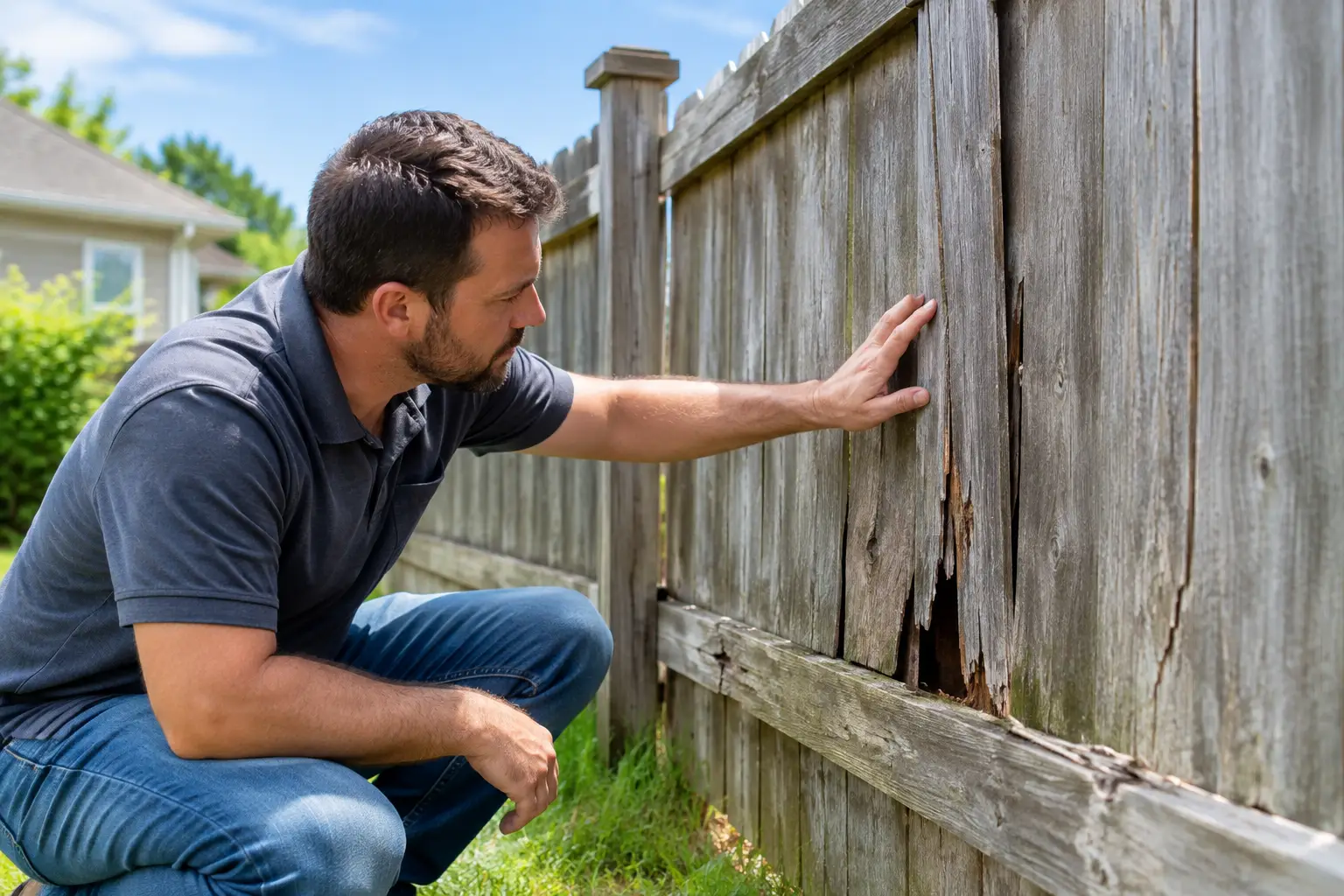
A fence rarely fails all at once. More often, a homeowner notices a gate that drags, a business owner sees a bent section along the back lot, or a property manager finds another loose picket after a storm. The question of when should a fence be replaced comes down to more than appearance. A worn fence can affect privacy, safety, access control, security, and the value of the property it is meant to protect.
Some damage can be repaired economically. Other problems point to a fence that has reached the end of its useful life. Knowing the difference helps property owners avoid spending money on repeated patches when a properly planned replacement would provide a better long-term result.
When Should a Fence Be Replaced Instead of Repaired?
Replacement is usually the better choice when the problem affects the fence’s structure, not just a small, isolated area. A broken board, damaged cap, or one loose chain link fence tie may be a straightforward repair. But when posts are failing, multiple sections are deteriorating, or a gate system no longer operates safely, repairs can become a temporary answer to a larger issue.
Age matters, but it is not the only deciding factor. A well-built fence that has been maintained may last longer than expected, while a fence exposed to poor drainage, repeated storm damage, heavy use, or neglected maintenance may wear out much sooner. The material also makes a difference. Wood can rot and warp. Chain link can rust or bend. Vinyl can crack under impact. Ornamental steel can corrode where its coating has been damaged.
The right decision starts with an honest look at the entire perimeter, not only the most noticeable damaged section.
Structural Signs Your Fence Is Near the End
Leaning or loose fence posts
Posts carry the weight of the fence. When they lean, shift in the ground, or move when pushed, the fence is losing its foundation. One loose post may be reset if the surrounding fence remains sound. Multiple leaning posts usually indicate widespread rot, failed concrete footings, drainage problems, or soil movement.
A fence with unstable posts may look repairable from a distance, but its panels and rails are under added stress. Replacing individual sections without addressing the failing post system can lead to more repairs within a short time.
Rot, insect damage, or splitting wood
Wood fencing is a practical choice for privacy and curb appeal, but it requires attention over time. Surface weathering is normal. Soft wood, deep cracks, widespread splitting, or rot at the base of posts is not.
Probe suspect areas near the ground line, where moisture tends to collect. If pickets are worn but the posts and rails are solid, replacing boards may make sense. If rot is affecting posts, rails, and multiple panels, replacement is generally the more dependable investment. In Northwest Arkansas and the River Valley, humidity, rainfall, and changing weather can accelerate deterioration where wood has not been properly protected.
Bent, rusted, or broken metal components
Chain link and ornamental fencing are durable, but they are not maintenance-free. Rust that appears only in a small spot may be treated before it spreads. Rust that has eaten through fabric, fittings, posts, or rails weakens the entire system.
Bent top rails, crushed posts, stretched chain link fabric, and damaged ornamental panels can also create security gaps. For a residential yard, that may mean a pet can get out. For a commercial or industrial site, it may mean the perimeter no longer provides the level of protection the property requires.
Repeated storm damage
A fence that sustains a single storm-related loss may be repaired. A fence that repeatedly loses sections in moderate wind may have deeper installation or material issues. Posts may be undersized, set too shallow, weakened by age, or unable to support the fence style selected for the site.
Replacement offers an opportunity to correct those underlying issues. That can include selecting a more suitable material, improving post placement, adjusting the fence design, or addressing drainage and grade conditions that contribute to failure.
Gates Often Reveal the Real Problem
A gate is one of the hardest-working parts of any fence. It opens and closes, carries weight on hinges or rollers, and often receives the first impact from daily traffic. A gate that sags, drags, will not latch, or requires force to operate should not be ignored.
Sometimes the repair is limited to hinges, a latch, or an operator adjustment. But gate problems can also reveal settling posts, worn framing, damaged track systems, or a fence line that is no longer level. On commercial properties, an unreliable gate can disrupt deliveries, employee access, and site security.
Automated gates deserve particular attention. A gate operator, access-control device, keypad, or safety system should work with a sound gate structure. Replacing controls without addressing a failing slide gate, cantilever gate, or supporting posts may not solve the problem. A complete evaluation helps determine whether targeted service or a new gate system is the practical choice.
Security and Privacy Gaps Are Replacement Triggers
A fence does not have to be falling down to stop doing its job. Gaps below the fence, missing pickets, damaged fabric, cut wire, loose panels, and compromised gates can reduce privacy and create access points for people, animals, or unauthorized vehicles.
For homeowners, a weakened privacy fence can make a backyard feel exposed and less secure. For businesses, apartment communities, schools, storage yards, and industrial facilities, a damaged perimeter can create a more serious liability. If the fence is part of the property’s security plan, replacement may be justified even when much of the material still appears serviceable.
This is also a good time to consider whether the existing fence matches current needs. A property may have outgrown a basic enclosure and now require controlled entry, a stronger commercial fence, higher security, or a gate configuration designed for vehicle access. Replacement is not always about restoring what was there. It can be a chance to build a better perimeter for how the property is used now.
The Cost Test: Repair Once or Keep Chasing Problems?
The lowest immediate price is not always the lowest cost over time. If a fence needs one minor repair after several years of service, repairing it is usually sensible. If it needs new posts this month, panel repairs next season, and gate work shortly after that, the costs can add up quickly.
Consider the condition of the entire fence, the frequency of repairs, and the consequences of failure. A decorative fence around a low-traffic yard has different priorities than fencing around equipment, inventory, a pool, livestock, or a controlled-access facility.
Replacement may also prevent damage beyond the fence itself. A fallen section can damage landscaping, allow pets to escape, block access, or create an unsafe condition near a sidewalk or driveway. For commercial sites, an unreliable perimeter can affect operations and expose valuable assets.
Choosing the Right Replacement Material
The best replacement fence depends on the property, budget, maintenance expectations, and purpose of the enclosure. Wood remains a popular choice for traditional privacy fencing. Vinyl and composite can provide a clean, consistent appearance with lower routine maintenance. Chain link is a dependable option for many residential, commercial, and industrial applications, especially when visibility and durability matter. Ornamental fencing offers a more finished appearance while maintaining a strong boundary.
Material selection should also account for the gate system. A driveway gate, pedestrian gate, sliding gate, or automated entry system must be designed around the fence and the site conditions. Grade, vehicle traffic, opening width, drainage, utility locations, and desired access controls all affect the final plan.
There is no single material that is right for every property. The goal is a fence that fits the job, stands up to local conditions, and can be serviced properly over its lifespan.
Start With a Full Fence Assessment
Before deciding on replacement, walk the full perimeter and note damaged sections, unstable posts, gate issues, rust, rot, and areas where the fence no longer provides the security or privacy you need. Take special notice of corners, terminal posts, gate openings, and low spots where water collects.
A professional assessment can help separate cosmetic wear from structural failure and identify whether repairs will truly extend the fence’s life. Ace Fence Company Inc. works with homeowners, businesses, and property managers across the Fort Smith area, Northwest Arkansas, and the River Valley to plan fence and gate solutions around real site conditions.
A replacement fence is a long-term part of your property. If repairs are becoming routine or the fence no longer performs its intended job, it is worth planning the next system before a small failure becomes an urgent problem.
Ready to Talk to a Real Fence Professional?
Free on-site estimates from the River Valley's most trusted fence company since 1963.