What Fence Lasts Longest Outdoors? A Practical Look
What fence lasts longest outdoors? Compare vinyl, ornamental steel, chain link, composite, and wood fencing for Arkansas weather and property needs well.
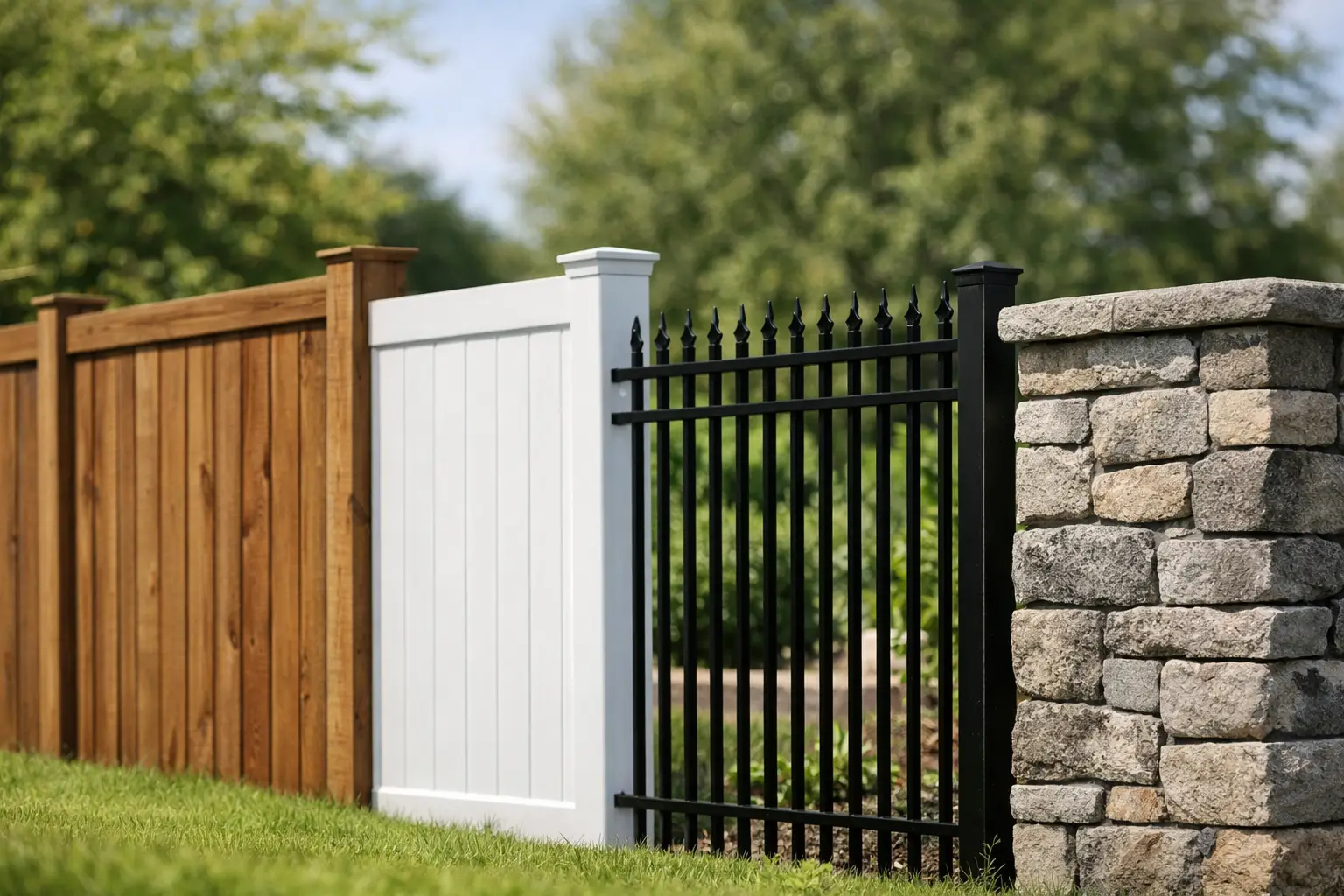
A fence can look solid on installation day and still fail early if the material, posts, finish, or drainage are wrong for the site. When property owners ask what fence lasts longest outdoors, the practical answer is usually a well-installed ornamental steel or galvanized chain link fence. But the right choice depends on whether your priority is security, privacy, appearance, low maintenance, or controlled access.
In Fort Smith, Northwest Arkansas, and the River Valley, fences face humid summers, heavy rain, wind, clay soils, and occasional hard freezes. Those conditions put pressure on every part of the system, not just the visible panels. A long-lasting fence starts with the right material, but it also requires properly set posts, dependable hardware, and a layout that handles water and grade changes.
What Fence Lasts Longest Outdoors in Arkansas?
For sheer service life, commercial-grade ornamental steel and galvanized chain link are often the strongest candidates. Both can remain in service for decades when they are properly coated, installed on stable posts, and maintained as needed. They do not provide the solid privacy of wood or composite, but they are proven choices for perimeter security, pet containment, business properties, and larger acreage.
Ornamental steel fencing, especially when protected by quality powder coating, can last 30 years or more. It offers a clean, finished appearance without giving up strength. It is a strong fit for homeowners who want curb appeal and security, as well as commercial sites that need a more professional look than standard chain link.
Galvanized chain link is one of the most durable and economical outdoor fencing options available. A properly galvanized fabric and framework can commonly last 20 to 30 years, with vinyl-coated chain link often extending service life further while improving appearance. It is especially practical for schools, industrial properties, storage yards, athletic areas, and residential backyards where function matters most.
The longer answer is that the fence with the longest useful life is the one that suits the property. A decorative fence that does not meet security needs, or a privacy fence that cannot handle poor drainage, will not be a good long-term investment regardless of its material.
How Common Fence Materials Hold Up Outside
Ornamental Steel: Long Life With a Finished Appearance
Ornamental steel is among the best options for longevity, strength, and appearance. Unlike wood, it will not rot. Unlike vinyl, it is less likely to crack from an impact or become brittle over time. A quality factory-applied coating protects the steel from moisture and helps the fence retain its color.
The main maintenance need is inspecting for chips, scratches, or areas where coating damage exposes bare metal. Touching up those spots early helps prevent rust from spreading. Ornamental fencing also works well with custom gates, access controls, and heavier-duty entry systems, making it a good choice when security requirements may grow over time.
Not every ornamental product is built to the same standard. Fence height, rail construction, picket spacing, post size, coating quality, and gate design all affect durability. For a commercial perimeter or high-traffic entry point, the system should be selected for the actual use of the property, not just its appearance.
Chain Link: The Workhorse for Long-Term Service
Chain link remains a dependable answer for properties that need a strong perimeter without the cost of a solid privacy fence. Galvanized steel resists corrosion, and the open design allows wind to pass through rather than putting heavy pressure on the fence line.
For the longest life, look beyond the fabric. Terminal posts, line posts, top rail, tension wire, fittings, and gate frames should be matched to the fence height and expected use. A lightweight residential system may be adequate for a yard, while a commercial yard, equipment area, or secured facility may need heavier framework and specialized gates.
Vinyl-coated chain link adds another layer of protection and is available in colors that can blend more easily into a residential or commercial landscape. It costs more than standard galvanized chain link, but the added finish can be worthwhile where appearance matters.
Vinyl: Low Maintenance, With Limits
Vinyl fencing can last 20 to 30 years or longer with minimal routine maintenance. It will not rot, need painting, or attract termites. For homeowners who want a clean white privacy fence or a traditional rail style without regular staining, vinyl is a practical option.
Its trade-off is impact resistance. Vinyl can crack when hit by equipment, falling limbs, or a vehicle, and lower-quality products may become more vulnerable with age and sun exposure. Gates need careful support because wide vinyl gates can sag if the posts and hardware are not built for the load.
Vinyl is a good fit for many residential properties, but it is not always the best choice for high-security areas, livestock pressure, or locations where heavy equipment operates near the fence.
Composite: Privacy Without Wood Rot
Composite fencing combines the appearance of a solid privacy fence with better resistance to moisture, insects, and warping than traditional wood. It can provide a long service life, often 25 years or more, depending on the product and installation.
It is usually more expensive upfront than wood, and it can be heavier. That means the supporting posts, rails, and gates must be designed correctly. Composite is a strong option for homeowners and developments that want privacy with reduced upkeep, particularly when the goal is to avoid the staining and board replacement associated with wood.
Wood: Attractive, Repairable, and More Maintenance-Dependent
A well-built wood fence can last 15 to 20 years, and sometimes longer, but it requires attention. Cedar and pressure-treated pine are common choices. Posts are usually the first concern because ground contact, standing water, and soil conditions can cause deterioration long before the pickets look worn out.
Wood remains popular because it provides privacy, can be customized, and is often easier to repair section by section. However, it needs periodic sealing or staining, prompt replacement of damaged boards, and clearance from soil and vegetation. In wet or shaded areas, wood may need more frequent maintenance to avoid mold, decay, and insect activity.
Installation Matters as Much as Fence Material
A premium fence can have a short life if its posts shift, its gates drag, or water stays trapped around the base. In Arkansas soils, proper post depth and concrete placement matter. So does setting the fence line for drainage rather than allowing runoff to collect against panels and posts.
Gates deserve special attention. They are moving parts, and they take more stress than the rest of the fence. Whether a property needs a walk gate, double-drive gate, cantilever slide gate, or automated operator, the posts, hinges, rollers, latches, and access equipment must be sized for the gate’s weight and daily use.
For commercial properties, a fence should also be planned as part of the full perimeter system. Vehicle access, employee entry, emergency access, visibility, code requirements, and future expansion can all affect which material and gate type will last best in real operation.
Choosing the Longest-Lasting Fence for Your Property
If your main concern is decades of dependable perimeter service, galvanized chain link or ornamental steel is usually the place to start. Choose chain link for cost-effective security, containment, and large runs. Choose ornamental steel when appearance, strength, and a more finished property line are equally important.
If privacy is the deciding factor, composite generally offers a longer, lower-maintenance path than wood, while vinyl is a practical option for clean residential privacy fencing. Wood can still be the right answer when its natural appearance and repairability matter most, provided you are prepared to maintain it.
The best next step is to evaluate the actual site: fence purpose, slope, drainage, access points, gate traffic, and the level of maintenance you expect to perform. Ace Fence Company Inc. can help property owners compare material options and build a fence system that is designed to stay useful long after the installation crew leaves.
Ready to Talk to a Real Fence Professional?
Free on-site estimates from the River Valley's most trusted fence company since 1963.