Planning a Warehouse Gate Project That Works
Plan a warehouse gate project with the right gate type, access controls, safety features, and installation details for secure, reliable daily operations.
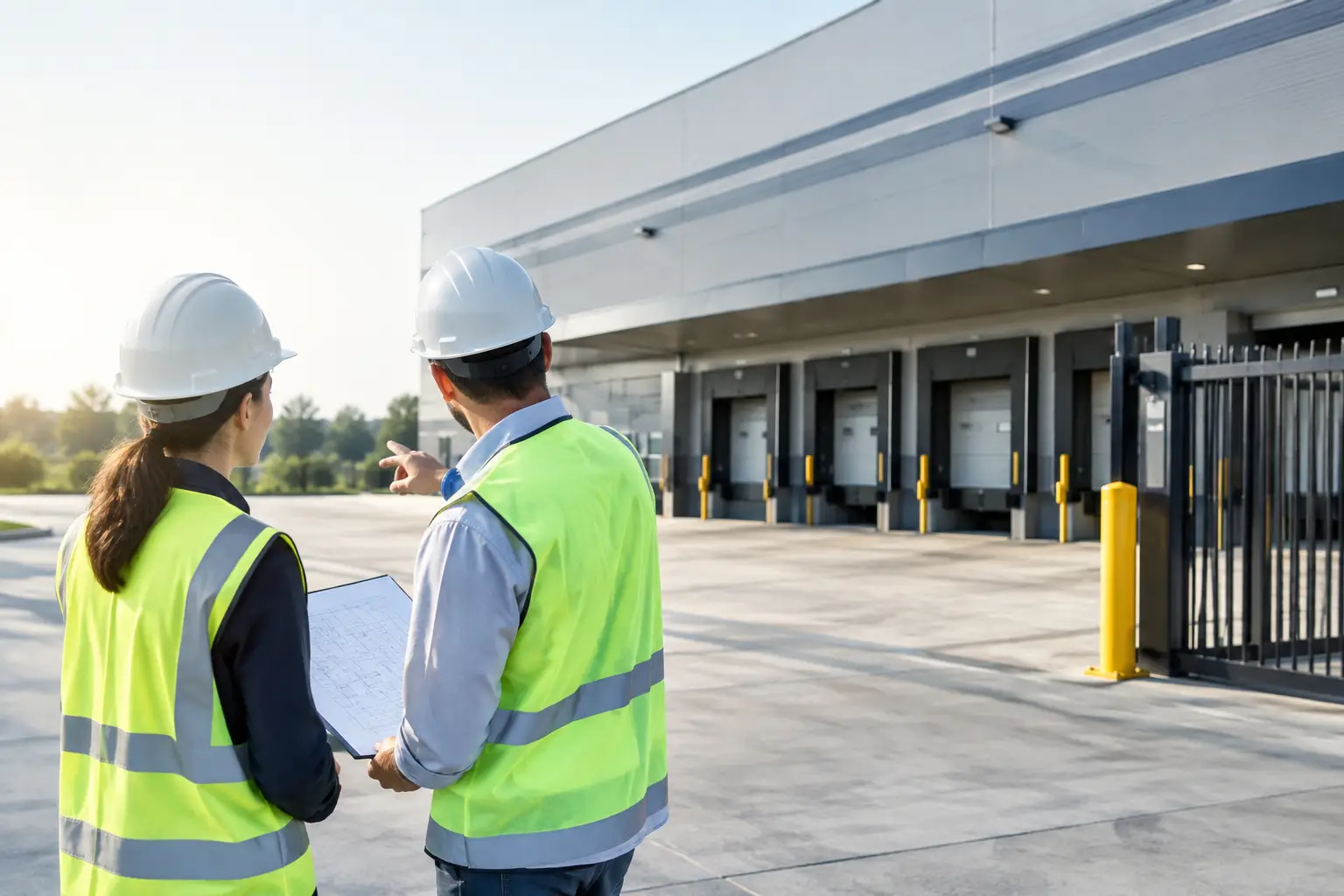
A warehouse gate project affects far more than the line around a property. It determines how trucks enter, where employees park, how visitors check in, and whether the site can stay secure without slowing down daily work. A gate that is undersized, poorly located, or matched with the wrong operator can create backups at the entrance and costly service issues later.
For warehouse owners, facility managers, developers, and industrial operators in Arkansas, the right answer starts with understanding how the property operates. The gate should support the traffic pattern, security needs, available space, and future growth of the facility.
Start With the Traffic Plan
The first question is not which gate looks best. It is who needs to use the entrance and how often. A warehouse with a few employee vehicles and occasional deliveries has different needs than a distribution yard with tractor-trailers moving in and out throughout the day.
Consider vehicle size, turning radius, delivery schedules, and peak traffic periods. A gate placed too close to a public road can leave trucks waiting in traffic. A gate set too far inside the property may create an unprotected area where vehicles can turn around or stage without authorization. The entry layout should provide enough room for a truck to clear the road, approach the gate safely, and make the necessary turn after entering.
Separate access points can improve both safety and efficiency. Many facilities benefit from one entrance for employees and visitors and another, wider entrance for freight traffic. This reduces conflicts between passenger vehicles, forklifts, delivery drivers, and pedestrians.
It is also worth planning for the occasional oversized load, emergency vehicle, or maintenance contractor. A gate opening that works for a box truck may not be adequate for a lowboy trailer or a fire apparatus. Building in reasonable clearance during the original installation is usually less expensive than rebuilding an entrance later.
Choose the Right Warehouse Gate Type
Gate selection depends on available room, grade changes, traffic volume, security expectations, and the type of fence surrounding the property. Commercial and industrial sites commonly use one of four gate styles:
- Slide gates travel along the fence line and work well where there is enough room beside the opening.
- Cantilever gates slide without a ground track across the driveway, making them useful for rough pavement, gravel, snow, debris, or frequent truck traffic.
- Swing gates open inward or outward on hinges and can be a practical choice for lower-traffic entrances with adequate clear space.
- Pivot lift gates raise above the driveway and can be a strong option where side room is limited or high-speed operation is needed.
A cantilever gate is often a practical fit for a busy warehouse entrance because it does not rely on a track across the driveway. Ground tracks can collect gravel, leaves, mud, and debris, all of which can interfere with operation. Cantilever systems require proper counterbalance and support posts, so they need room along the fence line and a foundation designed for the gate's weight.
Swing gates can cost less in the right setting, but they need a clear swing path. They may not be the best choice where trucks could stop within that area, where the drive slopes sharply, or where wind exposure is significant. The correct choice is site-specific. A gate contractor should evaluate the physical layout before recommending a system.
Match Access Control to Daily Operations
A gate is only useful when authorized people can open it quickly and unauthorized people cannot. Access control can be simple or highly managed depending on the facility.
For a small warehouse, a keypad and remote controls may be enough. Larger sites may need card readers, key fobs, telephone entry systems, intercoms, camera verification, or mobile credential access. Some facilities also need access records that show when an employee, vendor, or contractor entered the property.
Think about the people who use the gate after normal business hours. Drivers arriving for an early delivery may not have a company-issued credential. Contractors may need temporary access. A visitor system should allow the facility to grant entry without giving out permanent codes that can be shared long after a job is complete.
Gate controls should be located where drivers can safely reach them without blocking traffic or stepping into a travel lane. For truck entrances, this may mean using a call box positioned for the driver's window height or a system operated by a dispatcher, guard station, or approved mobile device.
Reliable power is another planning item. Most automatic gate operators require electrical service, and the route for power should be considered before concrete is poured or pavement is restored. Battery backup can keep the gate operating during short outages, while certain sites may require a defined emergency release procedure for longer power failures.
Make Safety Part of the Design
Automated commercial gates are heavy moving equipment. Safety is not an add-on after installation. It needs to be part of the design, equipment selection, and operating plan.
A properly designed system may include photo eyes, monitored safety edges, vehicle detection loops, warning signs, emergency stop controls, and entrapment protection appropriate to the gate style. These components help prevent the gate from closing on a vehicle, person, or object in its path.
The layout around the opening matters just as much. Pedestrians should not be expected to walk through a vehicle gate when a separate walk gate can be installed. Where employees walk from a parking area to the warehouse, a designated pedestrian entrance and clear travel route reduce the chance of someone crossing an active driveway unexpectedly.
Security features must also account for climb resistance and gaps around the gate. A well-built perimeter can still have a weak point if the gate leaves excessive space below, beside, or above the opening. The correct gap depends on drainage, grade, local conditions, and the level of security required.
Plan the Fence, Gate, and Site Work Together
A gate is part of a perimeter system, not a separate piece of equipment. The fence material, terminal posts, corner construction, foundations, access controls, and site grading all affect gate performance.
Chain link fencing is a common choice for warehouse yards because it is durable, economical, and available in heights and configurations suited for commercial security. Privacy slats, windscreens, barbed wire where appropriate, ornamental fencing, or more specialized materials may be considered based on the property’s appearance and security requirements.
Pay close attention to drainage. Water flowing across a driveway can wash out gravel, undermine posts, and create uneven surfaces that affect vehicle access. Grade changes may also limit certain gate styles. Addressing drainage and pavement conditions during the planning phase protects the investment in the gate and reduces avoidable repairs.
If the warehouse is under construction or being expanded, temporary fencing can secure the site while permanent fencing and gates are being planned. This can help control access to equipment, materials, and active work areas without forcing a rushed decision on the final gate system.
Consider Maintenance Before Installation
Commercial gates need routine inspection and service, particularly where traffic is frequent. Operators, hinges, rollers, chains, safety devices, and access controls all experience wear. The more cycles a gate completes each day, the more important it is to select equipment rated for that duty level.
Facility teams should know who is responsible for reporting problems and what to do if the gate does not open or close correctly. Forcing a gate, bypassing safety devices, or continuing to use damaged equipment can turn a minor repair into a larger issue.
Keep the gate path clear of pallets, trash bins, parked vehicles, vegetation, and snow or debris. A simple maintenance plan that includes visual checks, cleaning, testing safety devices, and scheduled professional service can extend the life of the system and reduce downtime.
Get a Site-Specific Estimate
A useful warehouse gate estimate should account for more than the width of the opening. It should consider the gate type, fence material, operator, controls, electrical needs, concrete work, site conditions, safety equipment, and expected traffic volume.
Ace Fence Company Inc. can help property owners and managers evaluate these details before construction begins. With the right layout and equipment, a warehouse entrance can control access, keep traffic moving, and hold up to the work the facility demands.
The best time to solve gate problems is before trucks, employees, and inventory depend on the entrance every day. Start with the actual traffic pattern, leave room for change, and choose a system built for the way your warehouse works.
Ready to Talk to a Real Fence Professional?
Free on-site estimates from the River Valley's most trusted fence company since 1963.