
Vinyl Fence Buyer Guide for Arkansas Properties
Use this vinyl fence buyer guide to compare styles, grades, costs, installation needs, and gate options for Arkansas homes and businesses of all sizes.
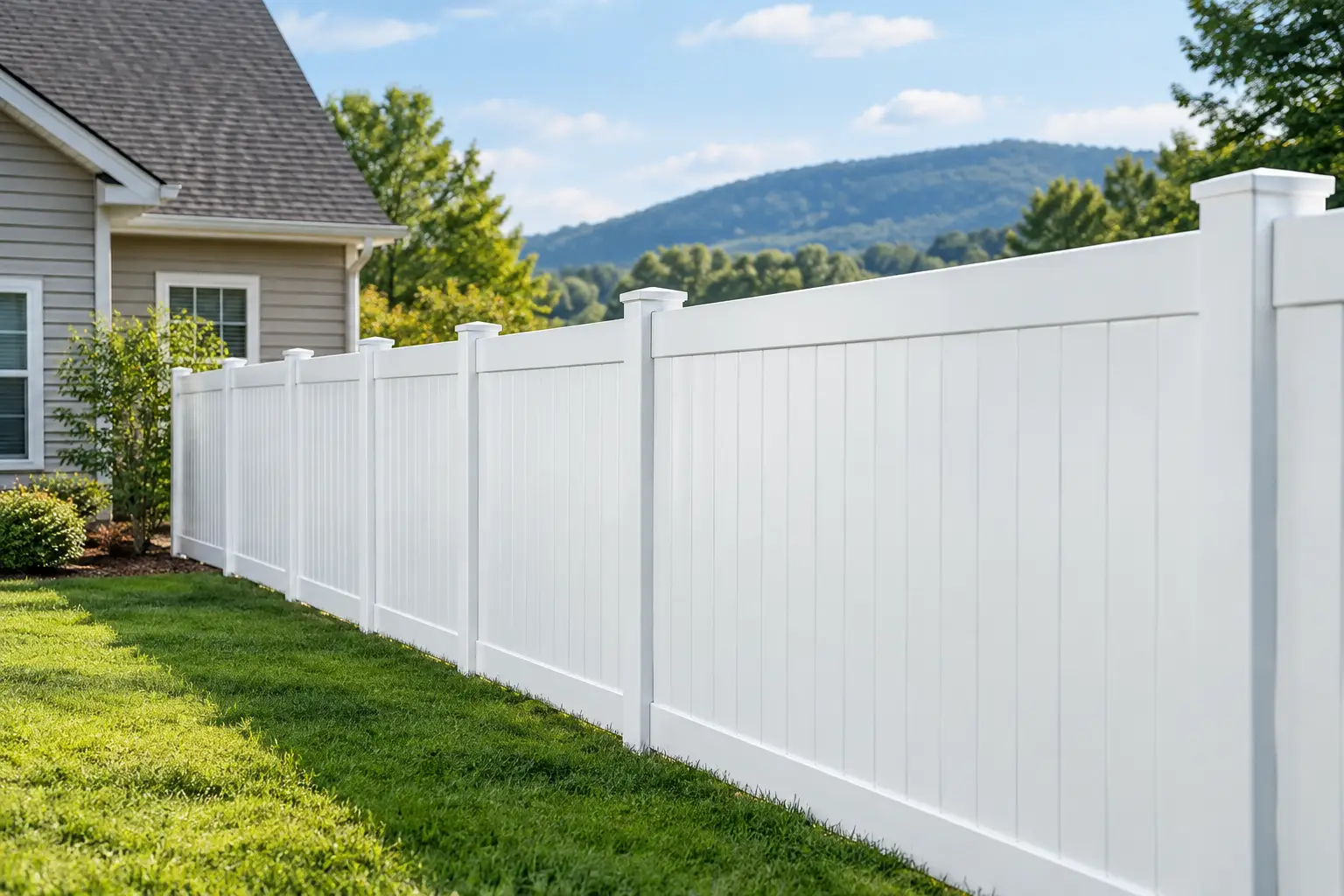
A vinyl fence can look simple from the street, but the decisions behind a fence that stays straight, closes properly, and fits the property are not simple. This vinyl fence buyer guide is built for Arkansas homeowners, businesses, and property managers who want to compare options before investing in a new perimeter.
Vinyl is a practical choice when low maintenance, privacy, and a clean finished appearance are priorities. It is not the right answer for every property, however. A good purchase starts with matching the fence style, material grade, post system, and gate design to the way the site will actually be used.
Start With the Job the Fence Must Do
Before choosing a color or panel style, define the fence's primary purpose. A backyard privacy enclosure has different requirements than a pool barrier, a dog run, a frontage boundary, or a commercial property line. When a fence is expected to do several jobs, such as adding privacy while keeping children or pets contained, the layout and gate locations matter as much as the fence material.
A solid privacy fence is the common choice for residential yards because it limits sight lines and creates a clear boundary. Semi-private vinyl styles allow airflow and filtered views, which can be useful near gardens or in areas where a completely solid wall would feel closed in. Picket and ranch-rail styles provide a more open look, but they are not designed to provide the same containment or security as a full-height privacy fence.
For commercial sites, vinyl is often best suited to decorative boundaries, customer-facing areas, multifamily properties, and locations where appearance and easy upkeep matter. If a property needs stronger intrusion resistance, controlled vehicle access, or protection for valuable assets, chain link, ornamental fencing, or a combination of fence types may be the better fit.
Understand What You Are Buying
Not all vinyl fence products are built the same. The visible panels may look similar at first glance, but wall thickness, internal reinforcement, rail construction, hardware, and post installation all affect long-term performance.
Quality vinyl fencing is typically made from PVC with additives that help it stand up to ultraviolet exposure and changing weather. In Arkansas, a fence must handle summer heat, heavy rain, wind events, and occasional freezing conditions. Material that is too thin may be more likely to flex excessively, crack under impact, or lose its finished appearance over time.
Ask how the rails connect to the posts and how the posts are supported. Many dependable systems use routed posts, where rails pass through openings in the post rather than relying only on brackets or screws. This creates a cleaner look and can provide a more secure connection. The right system depends on the fence style and manufacturer, but the question is worth asking.
Posts are especially important. A privacy panel can act like a sail in strong wind, placing considerable pressure on its posts and footings. Proper post depth, concrete placement where appropriate, spacing, and reinforcement are installation details that should be planned for the property rather than guessed at on installation day.
Reinforcement Is Not Just for Gates
Metal reinforcement inside rails or posts can add strength where it is needed most. Gates, terminal posts, corners, and long exposed runs often deserve special attention. Reinforcement is not necessary in every component of every vinyl fence, but skipping it at high-stress points can lead to sagging gates, leaning posts, or difficult adjustments later.
This is one reason a low initial quote is not always an equal comparison. Two proposals may describe the same height and color of vinyl fence while including very different post systems, hardware, reinforcement, and footing methods.
Choose a Style That Fits the Site
White remains the traditional vinyl fence color, especially for picket and privacy styles. Tan, clay, gray, and textured finishes can better complement brick, stone, darker siding, or natural landscaping. Color choice affects curb appeal, but it can also affect how noticeable dust, grass stains, and irrigation residue are between cleanings.
Fence height should be based on the property use, local requirements, and nearby conditions. A 4-foot picket fence may define a front yard without blocking visibility. A 6-foot privacy fence is common for backyards, but it may not be allowed in every front, side, or corner-lot location. Taller fencing can provide more screening, yet it also experiences greater wind load and may require a more substantial installation plan.
Consider the grade of the land before selecting panels. A level lot is straightforward, but sloped yards require a decision between stepping the fence in level sections or following the grade. Stepped panels create a level top line for each section, while racking allows certain fence styles to follow the slope. Not every vinyl style racks well, so a site visit can prevent an unpleasant surprise after materials are ordered.
Gates Need Their Own Plan
A gate is the moving part of the fence system, and it deserves more planning than a standard panel. Think about how wide it needs to be, what will pass through it, and how often it will be used. A walk gate for daily access should have reliable self-closing or self-latching hardware when needed. A double gate may be suitable for lawn equipment, trailers, or service access.
For driveways, equipment yards, or commercial entrances, a vinyl gate may not be the right choice. Larger openings and frequent vehicle traffic often call for a steel-framed gate, chain link gate system, ornamental gate, or a custom fabricated solution. Automated operators also need proper gate construction, safety devices, and access-control planning. The fence and gate should be designed as one system, not treated as separate purchases.
Factor In Installation Conditions and Local Rules
Property conditions affect both the price and the finished result. Tree roots, rock, uneven terrain, drainage paths, old fence removal, retaining walls, and restricted access can all change the work involved. A fence should not block a drainage route or create a low spot that collects water along the property line.
Before installation, take care of these practical items:
- Confirm the property line rather than assuming an existing fence marks it correctly.
- Check neighborhood association rules, municipal requirements, and any permits that may apply.
- Arrange for utility locations before post holes are dug.
- Discuss access needs for crews, equipment, pets, and neighbors.
On commercial or institutional properties, planning may also involve fire access, egress routes, visibility at driveways, site security requirements, and coordination with other trades. These details are easier and less costly to address before the fence layout is finalized.
Compare Vinyl Fence Costs the Right Way
Vinyl fencing generally costs more upfront than many basic wood fence options, but its maintenance needs are usually lower. It does not require routine painting, staining, or sealing. Cleaning is often limited to rinsing with water and using a mild cleaner for dirt or mildew when needed.
Still, vinyl is not maintenance-free or damage-proof. A hard impact from equipment, a falling limb, or severe weather can crack a panel or damage a post. Repairs may require matching a specific product line, color, and profile. Choosing a contractor and manufacturer with dependable material availability can make future repairs more manageable.
When reviewing estimates, compare the complete scope rather than the bottom-line number alone. Confirm the fence height and style, linear footage, number and size of gates, post depth, reinforcement, hardware, removal of existing fencing, cleanup, and any special site work. If the quote does not clearly describe these items, ask before signing.
When Vinyl Is a Good Fit and When It Is Not
Vinyl is a strong option for homeowners who want a clean privacy fence without the recurring upkeep of wood. It also works well around pools, patios, multifamily common areas, and residential property lines where a consistent appearance matters.
It may be less suitable for sites with heavy industrial traffic, high-security needs, very large automated gate openings, or locations where a fence is likely to take repeated impacts. In those cases, another material may provide better long-term value. The right fence is not always the one with the lowest maintenance or the most decorative appearance. It is the one built for the property, the traffic, and the level of security required.
A site-specific estimate gives you the clearest answer. Ace Fence Company Inc. can help property owners evaluate vinyl alongside wood, chain link, ornamental, composite, and gate options, then build a plan that makes sense for the property. A fence should feel like a finished part of the site, not a problem waiting at the first strong storm or busy season.
Ready to Talk to a Real Fence Professional?
Free on-site estimates from the River Valley's most trusted fence company since 1963.