
Temporary Fence Rental for Construction Sites
Temporary fence rental for construction sites helps control access, protect materials, and keep projects safer, organized, and on schedule.
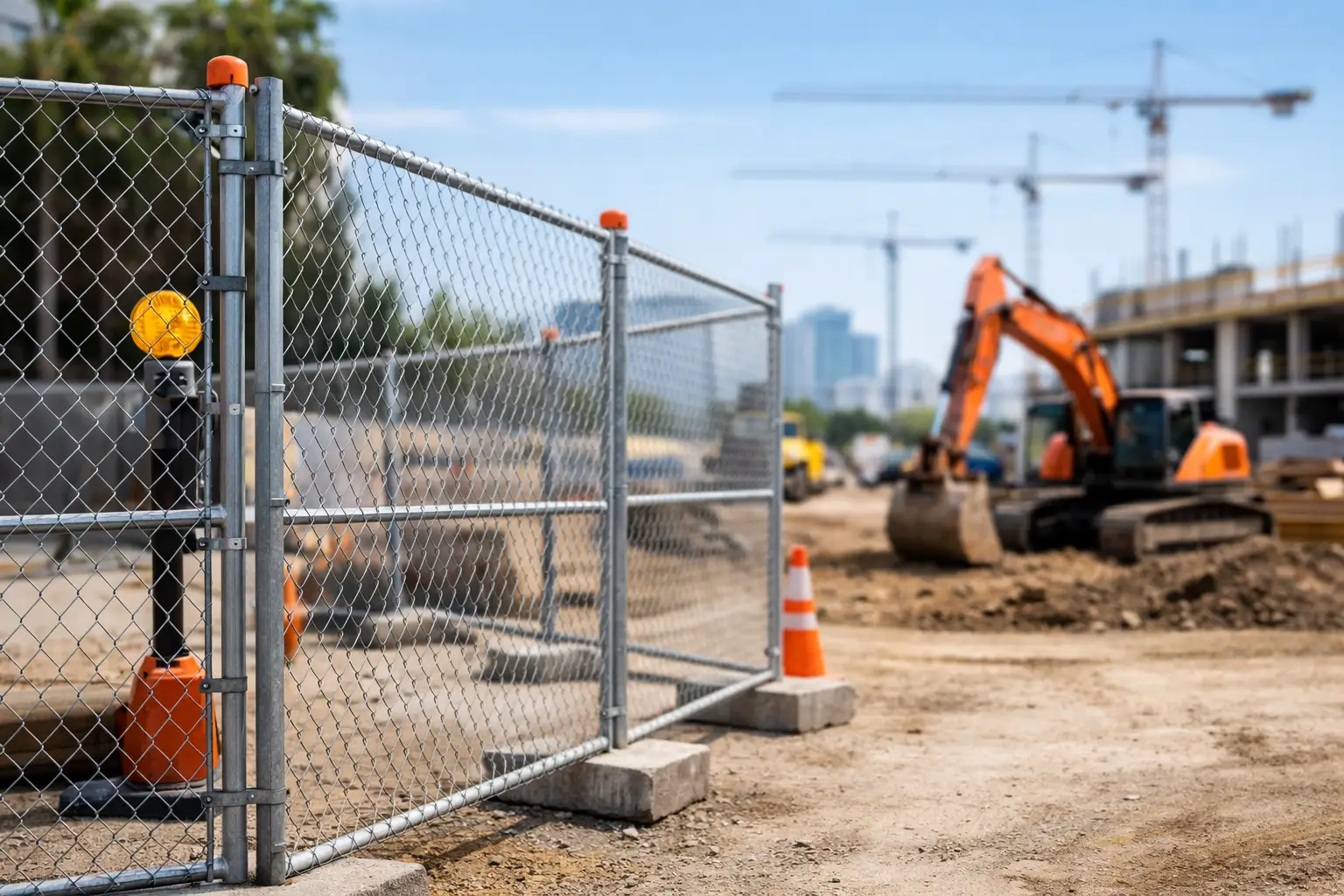
A jobsite can change fast. One week it is grading and layout, the next week materials are stacked on site, trades are coming and going, and the risk of unauthorized entry goes up. That is where temporary fence rental for construction sites becomes a practical part of project planning, not an afterthought.
For contractors, developers, and property managers, temporary fencing solves a simple problem with real consequences. It helps define the perimeter, control who gets in, reduce liability, and keep the site better organized from the first day of work to final punch-out. On active construction projects across Arkansas, that kind of basic site control matters.
Why temporary fence rental for construction sites matters
An open construction site invites trouble. Sometimes that means theft of tools, equipment, or materials. Sometimes it means neighbors cutting through the property, curious visitors stepping into unsafe areas, or after-hours trespassing that creates liability for the owner and the general contractor.
Temporary fencing helps establish a visible boundary right away. It signals that the site is active, restricted, and being managed. That alone can discourage casual entry. When paired with gates, screening, and clear access points, it also gives crews a more controlled way to move people, vehicles, and deliveries through the site.
There is also a scheduling side to it. Jobs run better when the perimeter is defined and staging areas are protected. Materials can be placed where they need to go without as much concern about loss or damage. Subcontractors know where to enter. Equipment yards can be separated from pedestrian areas. The result is not just better security, but better workflow.
What temporary fencing is designed to do on a jobsite
Most temporary construction fencing is built around portable fence panels set on stands and joined together to create a perimeter. It is a flexible system, which is one reason it works well for projects that change over time. As site conditions shift, fence lines can be moved, expanded, or reconfigured.
That flexibility matters because not every construction site has the same needs. A small infill project in town may need a tight perimeter with a single controlled gate. A larger commercial build may need broader coverage, separate access points, and designated areas for storage or laydown. Some sites need privacy screening to reduce visibility from the road. Others are more concerned with keeping the footprint secure while underground work or concrete phases are underway.
Temporary fence rental is also useful because it avoids committing to a permanent solution before the site is ready. You get perimeter control during the active construction phase without trying to force a long-term fence decision too early.
Choosing the right temporary fence rental for construction sites
The right setup depends on the site, the schedule, and the level of risk. A basic panel system may be enough for short-duration work with limited public exposure. For busier or more sensitive locations, gate placement, panel height, and added screening become more important.
One of the first questions is site access. Crews need to move efficiently, but that does not mean every side of the project should stay open. A planned access point for workers and another for equipment or deliveries often makes more sense than leaving gaps wherever it seems convenient. A rental fence layout should support the way the project actually operates.
Ground conditions matter too. Flat, stable ground is straightforward. Uneven terrain, soft areas, or tight urban sites can require more planning to keep panels secure and aligned. Wind exposure is another factor, especially if privacy screening is being used. Screening adds visibility control, but it can also increase wind load, so the fence system has to be set up accordingly.
Project duration should also be considered. A short-term utility job and a year-long commercial build are not managed the same way. Longer projects usually benefit from a more deliberate layout, stronger access planning, and routine adjustments as work progresses.
Common additions that improve site control
Gates are one of the most useful upgrades because they turn a fence line into a managed entry point. That sounds obvious, but on many jobs the difference between a controlled gate and an improvised opening is the difference between order and confusion.
Privacy screening is another common add-on. It can help reduce public visibility into the site, limit dust movement in some cases, and create a cleaner visual barrier along roads or neighboring properties. It is not right for every location, though. On exposed sites, screening may require extra consideration because of wind.
Barricades, pedestrian channeling, and internal fenced sections can also help where the jobsite overlaps with public access or occupied properties. For example, a project at a school, retail center, or active commercial property often needs more than a simple outer perimeter.
When to install temporary fencing
The best time to think about temporary fencing is before site activity ramps up. Waiting until materials start disappearing or foot traffic becomes a problem usually means the project is already reacting instead of planning.
In many cases, fencing should be installed before major deliveries, excavation, or structural work begins. Early installation gives the site a defined boundary from day one and helps establish traffic patterns for crews and vendors. It also sends a clear message to nearby residents, tenants, or the public that the area is an active work zone.
That said, timing can vary. Some projects only need temporary fencing during specific phases, while others need it from start to finish. A phased approach can make sense when construction expands in stages or when only part of a property is under active development.
What to expect from a rental process
A good temporary fencing rental process should be straightforward. The first step is usually a conversation about the site, the project scope, and the expected rental period. From there, the layout can be matched to the real conditions on the ground.
That is one reason many contractors prefer working with an experienced local fence company instead of trying to piece together a generic rental setup. Site conditions are rarely as simple as they look on paper. Slopes, access restrictions, utility conflicts, and changing construction schedules all affect how the fence should be installed.
Installation should be handled in a way that supports the project instead of slowing it down. Once the fence is in place, there may also be a need for adjustments as the job moves forward. Openings might need to shift. Additional panels might be needed around new staging areas. A dependable provider can respond to those changes without turning a basic rental into a drawn-out problem.
Local factors contractors should keep in mind
In Northwest Arkansas and the River Valley, construction projects can range from small residential builds to larger commercial, municipal, and industrial work. That variety matters because site conditions, traffic exposure, and public visibility change from one project to the next.
Weather is part of the equation too. Rain, wind, and soft ground can all affect fence stability and installation timing. On some sites, what works in dry conditions may need to be adjusted after weather moves through. That is another reason a one-size-fits-all approach usually falls short.
If your project is near public streets, businesses, schools, or occupied properties, the fencing plan should reflect that. The goal is not only to close off the site, but to do it in a way that supports safety, access control, and a professional appearance while construction is underway.
Working with a contractor who understands more than panels
Temporary fencing may be short term, but it still needs to be installed with care. A poorly planned rental setup can create access issues, look unprofessional, or leave weak points in the perimeter. A better approach is to work with a fencing contractor that understands jobsite operations, site security, and how temporary solutions fit into larger construction demands.
That broader experience matters when a project includes more than just a simple fence line. Some jobs eventually move from temporary barriers to permanent perimeter fencing, gate systems, or controlled access points. Working with a company that understands both temporary and permanent site security can make planning easier from the start.
Ace Fence Company Inc. has worked with a wide range of perimeter needs across the region, and that practical experience shows up in the way a site is evaluated and prepared.
Temporary fencing is not the most complicated part of a construction project, but it can affect safety, security, workflow, and public perception every day the site is active. If the perimeter needs to work, it is worth getting it right early so the rest of the project can move with fewer problems.
Ready to Talk to a Real Fence Professional?
Free on-site estimates from the River Valley's most trusted fence company since 1963.