Storm Fence Repair: What Property Owners Check First
Storm fence repair starts with a clear safety check. Learn when a repair will hold, when replacement makes sense, and how to protect your property well.
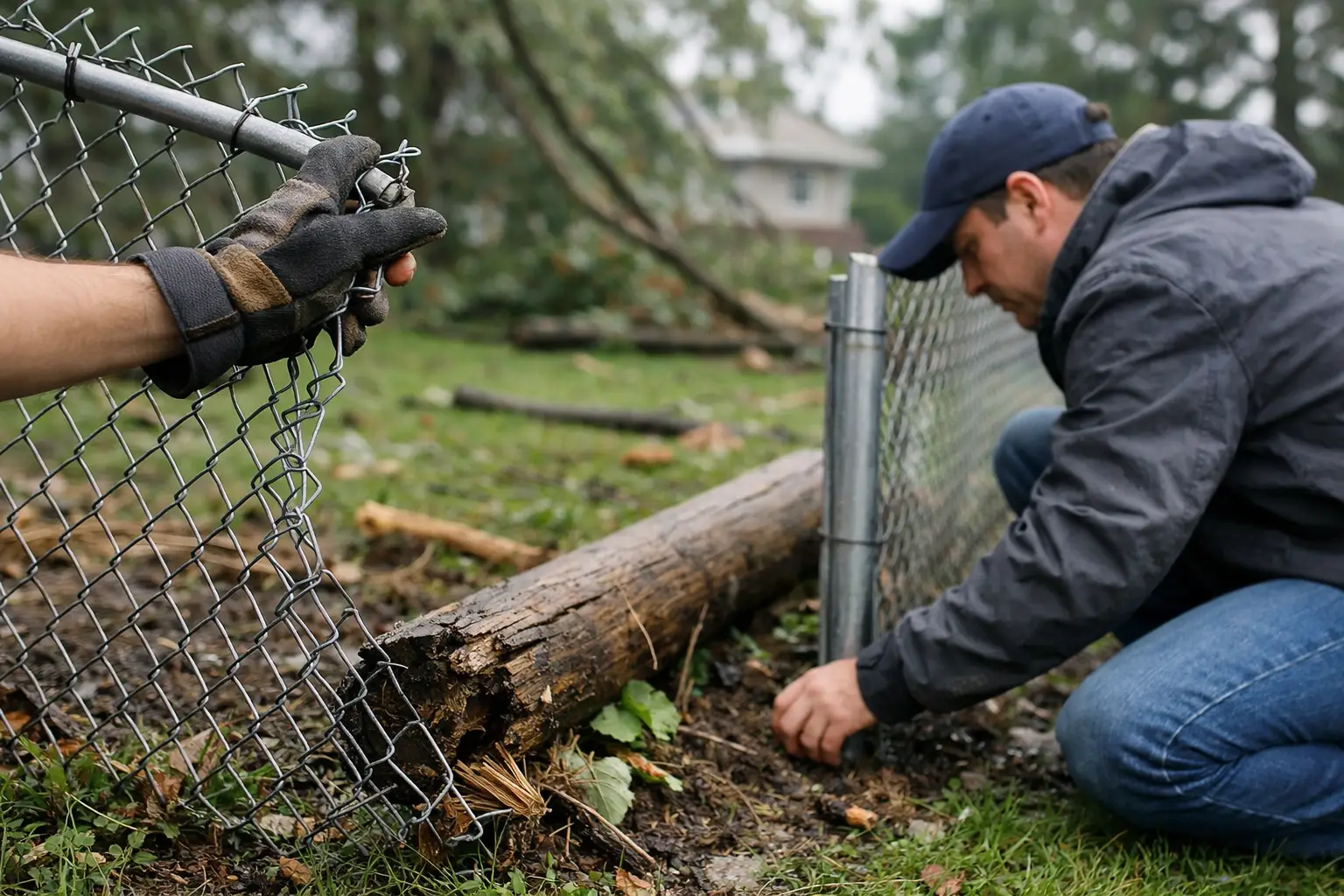
A storm can turn a dependable fence into a safety concern overnight. A leaning wood privacy fence may expose a backyard, a downed chain link section can leave a commercial site open, and a damaged gate can stop normal access to a property. Effective storm fence repair starts with a careful assessment of the entire fence line, not just the most visible damage.
For property owners in Fort Smith, Northwest Arkansas, and the River Valley, wind, saturated soil, falling limbs, and debris can each create a different kind of failure. The right repair depends on the fence material, the condition of the posts, and whether the fence is serving privacy, containment, security, or controlled access.
Start With Safety and Secure the Property
Before moving panels, cutting loose wire, or attempting to straighten a post, look for immediate hazards. Fallen fencing can hide sharp fasteners, broken glass, exposed wire, or unstable branches. If a gate operator, keypad, lighting circuit, or other electrical component has been affected, keep people away from the area until it can be inspected safely.
For homeowners, the first concern is often keeping children and pets contained. For businesses, construction sites, industrial properties, and managed facilities, the priority may be protecting equipment, inventory, or restricted areas. A temporary barrier may be the best short-term answer when a damaged perimeter cannot be secured the same day.
Take photos before clearing debris or making temporary repairs. Photos can help document the damage for insurance purposes and give a fence contractor a clearer picture when discussing next steps. If possible, photograph the full fence line as well as close-ups of leaning posts, broken rails, damaged fabric, and gate hardware.
What to Inspect After a Storm
Storm damage is not always limited to a broken picket or a section lying on the ground. Wind places pressure on the full structure. Even a fence that appears mostly intact can have loosened posts, shifted footings, strained fasteners, or misaligned gates.
Posts and footings
Posts carry the load of the fence. If they are cracked, pulled out of the ground, severely tilted, or loose when pushed by hand, replacing individual boards will not solve the problem. In wood fencing, rot below the surface can make a post especially vulnerable after heavy rain and high winds. With chain link, bent terminal posts and damaged line posts can affect tension across several sections.
Soil conditions matter, too. Heavy rainfall can soften the ground around a footing, while drainage problems can repeatedly weaken posts in the same area. A repair that simply pushes a post upright without addressing the footing may look acceptable for a short time, then lean again during the next hard weather event.
Rails, panels, pickets, and fabric
On a wood fence, check horizontal rails for cracks, splits, and pulled fasteners. If multiple rails have failed, the fence may have taken more force than a few replacement pickets can address. Vinyl and composite fence panels should be checked for cracked sections, broken brackets, and posts that have shifted out of alignment.
For chain link fencing, inspect the fabric for bends, tears, and sections that have pulled loose from rails or terminal posts. A small opening can become a larger security issue if the fabric is no longer properly tensioned. Ornamental fencing may show bent rails, damaged welds, or distorted pickets after an impact from a tree limb or debris.
Gates and access equipment
Gates are often the first part of a fence system to stop working after a storm. A shifted post can cause a swing gate to drag, sag, or fail to latch. Sliding, cantilever, and pivot lift gates may be affected by debris in the travel path, damaged rollers, bent track components, or misalignment.
Do not force an automated gate open or closed if it is binding. Continuing to operate a misaligned gate can damage the operator, hardware, or gate frame. Commercial and specialty access systems should be evaluated as complete systems, including the gate structure, safety devices, controls, and power connections.
When Storm Fence Repair Is the Right Choice
Repair is often the practical option when damage is limited to a defined area and the rest of the fence is structurally sound. Replacing broken pickets, rails, fence panels, chain link fabric, or hardware can restore function without rebuilding an entire perimeter.
A localized repair can make sense when a healthy fence has been hit by a falling branch, a vehicle, or wind-driven debris. It can also be a cost-conscious choice for a property owner planning a future upgrade but needing reliable enclosure now.
The key question is whether the existing fence can support the new work. New materials attached to weakened posts or deteriorated rails will not deliver a lasting result. Matching materials can also be a consideration. Weathered wood, discontinued vinyl styles, and older ornamental designs may not match perfectly, although a qualified contractor can help identify the most practical repair approach.
When Replacement Makes More Sense
There comes a point when repeated patching costs more than rebuilding the affected run correctly. Replacement may be the better investment when multiple posts have failed, several sections are leaning, widespread rot is present, or the fence was already near the end of its useful life before the storm.
A storm can also reveal that the current fence no longer meets the property's needs. A homeowner may want to replace aging wood with vinyl or composite for lower maintenance. A business may need a stronger chain link system, privacy screening, ornamental fencing, or a redesigned gate arrangement to improve security and traffic flow.
Replacement does not always mean replacing every foot of fencing. In many cases, a contractor can rebuild the damaged side or section while evaluating how it ties into the remaining perimeter. The right scope depends on structural condition, material availability, appearance, budget, and the security requirements of the property.
Different Fence Materials Require Different Repairs
Wood fences are common across residential properties because they provide privacy and a traditional appearance. After a storm, wood repairs often involve posts, rails, pickets, and gates. The condition of the post is usually the deciding factor. A loose post can compromise an otherwise repairable section.
Chain link fencing is durable, but storms can bend top rails, loosen tension wire, twist fabric, and pull sections out of square. Commercial chain link systems may include barbed wire, privacy slats, heavier framework, or specialized gates, so repairs should maintain the original security function rather than simply close a visible opening.
Vinyl and composite fencing can resist moisture better than untreated wood, but strong impacts can crack panels or break connectors. Repairs must account for the way each system locks together. Forcing a damaged panel back into place can create stress that causes another failure later.
Ornamental fencing requires close attention to alignment and finish. Bent pickets or rails can affect both appearance and security. If the fence surrounds a pool, business entrance, or controlled-access area, spacing, latching, and code-related requirements should remain part of the repair plan.
Avoid the Quick Fixes That Create Bigger Problems
A temporary repair has its place, especially when a storm has left a property exposed. Bracing a section, blocking an opening, or adding temporary fencing can provide short-term protection while permanent work is scheduled. The problem comes when a temporary solution is treated as a permanent one.
Avoid attaching new rails to rotted posts, using loose wire as a long-term gate latch, or pulling a leaning fence upright without checking the footing. These fixes can fail without warning and may create a larger repair area later. They can also make a gate unsafe or leave a commercial property vulnerable after hours.
It is also wise to avoid removing major debris from a fence if the debris is helping hold an unstable section in place. A large limb resting on a damaged fence can shift suddenly when cut or moved. When the situation involves heavy trees, electrical lines, or a collapsed gate system, professional assessment is the safer route.
Plan for a Stronger Fence Line After Repair
A good repair should do more than restore the fence to its previous appearance. It should address the reason the damage occurred when possible. Better post support, drainage corrections, stronger gate framing, improved hardware, or a revised gate location can all reduce future problems.
For commercial properties, this is also a useful time to review perimeter security. A damaged fence may reveal weak access points, inadequate gate controls, or sections where a stronger system would better protect the site. Temporary fencing can maintain control while repairs, upgrades, or a replacement project are planned.
Ace Fence Company Inc. can assess damaged residential, commercial, and specialty fence systems and provide a practical path forward based on the condition of the fence and the needs of the property. The goal is not to sell more work than necessary. It is to restore a dependable boundary that fits the job.
After the debris is cleared and the immediate risk is under control, take time to look beyond the broken section. A fence is a working part of your property, and the best repair is one that leaves it ready for the next hard weather event.
Ready to Talk to a Real Fence Professional?
Free on-site estimates from the River Valley's most trusted fence company since 1963.