
Security Fencing That Fits Your Property
Security fencing protects property when the fence, gates, and access plan match the site. Learn what to consider before you build or upgrade in Arkansas.
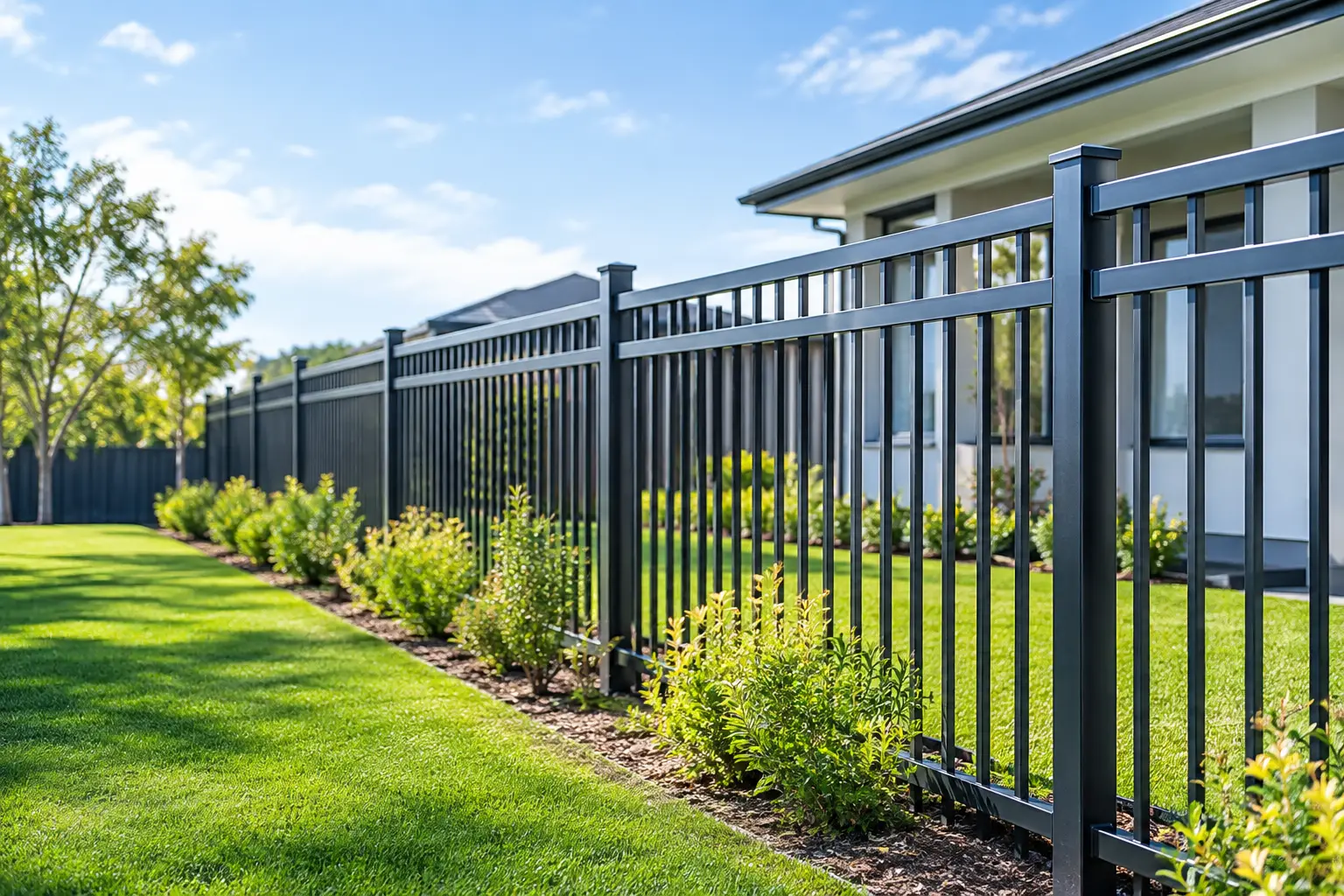
A fence can mark a boundary, but security fencing has a bigger job. It needs to discourage unauthorized entry, direct visitors to the right entrance, protect equipment or people, and hold up under daily use and Arkansas weather. That takes more than selecting a fence style from a catalog. It takes a clear look at what needs protection, who needs access, and where the weak points are.
For a homeowner, that may mean securing a backyard, pool area, livestock enclosure, or detached shop. For a business, it may mean protecting vehicles, inventory, utility equipment, a construction site, or an entire facility perimeter. The right solution is rarely just a fence. Gates, hardware, access control, site layout, and installation quality all affect how well the system performs.
Start With the Risk, Not the Material
The first question is not whether chain link, ornamental steel, wood, vinyl, or composite looks best. Ask what the fence must accomplish. A property that needs privacy from neighboring homes has different requirements than a warehouse yard where trucks come and go all day. A school, utility site, apartment community, or industrial facility may also have code, safety, or access requirements that shape the design.
Consider the type of entry you are trying to prevent. Is the concern casual trespassing, pets leaving the property, theft of equipment, after-hours vehicle access, or a need to keep the public away from hazardous areas? The answer helps determine fence height, material strength, gate placement, visibility, and whether automated access is needed.
A security fence should also support normal operations. If employees, residents, delivery drivers, emergency crews, or maintenance teams need regular entry, the gate system cannot become a daily frustration. A design that is secure but inconvenient often gets bypassed, propped open, or poorly maintained. Good planning keeps security and practical access working together.
Choosing Security Fencing Materials
No single material is right for every property. The best choice depends on the level of protection needed, the appearance of the site, maintenance expectations, budget, and gate requirements.
Chain Link for practical perimeter control
Commercial-grade chain link remains one of the most common choices for property security because it is durable, cost-effective, and adaptable. It works well around commercial yards, equipment storage areas, athletic facilities, construction sites, industrial sites, and residential properties that need a clear, dependable boundary.
For higher-security applications, chain link can be built with heavier framework, tighter mesh, increased height, privacy screening, and specialized top treatments where appropriate. It also works especially well with sliding and cantilever gate systems. The trade-off is appearance and visibility. Chain link provides less privacy than a solid fence, although that can be an advantage when clear sightlines make it easier to monitor activity around the perimeter.
Ornamental fencing for visibility and appearance
Ornamental fencing is a strong option when a property needs controlled access without looking industrial. It is often used at office buildings, multifamily communities, schools, churches, entry features, and higher-end residential properties. Its open design preserves visibility while presenting a more finished appearance than standard chain link.
The right ornamental system can provide meaningful perimeter control, particularly when paired with well-designed gates and access controls. It is not always the most economical choice for a large acreage or heavy industrial yard, but it can be the better fit for visible frontages and properties where appearance matters alongside security.
Wood, vinyl, and composite for residential needs
Solid-panel wood, vinyl, and composite fencing can provide privacy and help define a residential property. They are useful when homeowners want to limit views into a yard, create a safer play area, or enclose a pool or pet area. A tall privacy fence can discourage casual entry, but it should not be treated as a substitute for a properly secured gate or a stronger perimeter solution where theft or repeated trespassing is a concern.
Material choice also affects long-term upkeep. Wood has a traditional appearance and can be repaired in sections, but it requires periodic maintenance. Vinyl offers a clean look with lower routine maintenance, while composite can provide a durable, finished alternative. The right choice depends on the location, expected use, and the level of privacy desired.
Gates Are Often the Deciding Factor
A well-built fence can be undermined by an undersized, poorly placed, or unreliable gate. Most authorized and unauthorized traffic will focus on entry points, which makes gate planning one of the most important parts of a security project.
A pedestrian gate may be enough for a backyard or small service area. Vehicle access requires a different approach. Swing gates can work well where there is room for the gate leaf to open safely. Sliding gates are useful where space is limited behind the entrance. Cantilever gates are commonly selected for commercial and industrial sites because they slide across the opening without a ground track, which can be beneficial where gravel, debris, or uneven conditions would interfere with a track. Pivot lift gates can also be a practical choice for certain high-traffic or specialized locations.
The gate must match the traffic pattern. Consider the width needed for delivery trucks, trailers, emergency vehicles, and maintenance equipment. Think about where vehicles will wait while the gate opens. If a vehicle has to stop in a public street or block a drive lane, the entry layout may need adjustment before installation begins.
Match Access Control to Daily Use
An automated gate operator can add convenience and improve control, but it needs to be selected for the gate type, weight, expected cycles, and site conditions. A light-duty residential operator is not the right equipment for a commercial gate that opens dozens or hundreds of times each day.
Access control can be as simple as a keyed lock or keypad. It can also include remote controls, card readers, telephone entry systems, vehicle detection loops, and other controlled-entry components. The goal is not to add technology for its own sake. The goal is to make sure authorized people can enter reliably while access can be limited after hours.
Safety equipment deserves equal attention. Automated gates should be installed with the right controls, protective devices, and clear operating conditions. Gates are moving equipment, not just fence panels. Proper installation and regular service help prevent downtime and reduce the risk of damage or injury.
Plan the Entire Perimeter
Security problems often happen at the edges of a fence plan. A low section behind a building, a gate that cannot latch properly, a gap beneath the fence, or a utility access point can create an easier path onto the property. Before construction, walk the perimeter and identify changes in grade, drainage paths, tree lines, retaining walls, existing structures, and areas where vehicles or pedestrians naturally approach.
Visibility is another practical consideration. A solid fence can add privacy, but it can also create hiding places along a poorly lit side yard or back lot. In some settings, an open ornamental or chain link system combined with lighting and controlled gates creates a better overall result. In others, privacy is the priority. The right answer depends on the property and the risk.
Temporary fencing can also play a role when security needs are short-term. Construction projects, storm cleanup, special events, and site renovations may need a controlled perimeter before permanent fencing is installed. Temporary panels or chain link systems can help protect a work area, manage access, and reduce liability during active projects.
Build for Local Conditions and Long-Term Service
Northwest Arkansas and the River Valley bring their own installation challenges: changing grades, clay soils, heavy rain, wind, and heat. Posts need to be set and braced correctly. Gates need sound foundations and hardware that can handle repeated use. Drainage should be considered so standing water, erosion, or shifting soil does not shorten the life of the installation.
It is also wise to think beyond the first day the fence is installed. Will the gate hardware be easy to service? Can a damaged section be repaired without rebuilding the entire line? Does the fence leave room for future expansion, added access controls, or another vehicle entrance? Those questions can prevent an affordable project from becoming an expensive limitation later.
Ace Fence Company Inc. has served Fort Smith, Northwest Arkansas, and the River Valley since 1963, with the ability to handle traditional fencing as well as custom gates, automated operators, and specialty access solutions. A site review and a detailed estimate help turn a general security concern into a fence and gate plan that fits the way the property actually operates.
The best fence is not necessarily the tallest or most complicated one. It is the one that closes the real gaps, gives the right people dependable access, and continues doing its job long after installation day.
Ready to Talk to a Real Fence Professional?
Free on-site estimates from the River Valley's most trusted fence company since 1963.