
Residential Fence Options for Arkansas Homes
Compare residential fence options for privacy, security, curb appeal, and maintenance needs. Plan a durable fence for your Arkansas home with care today.
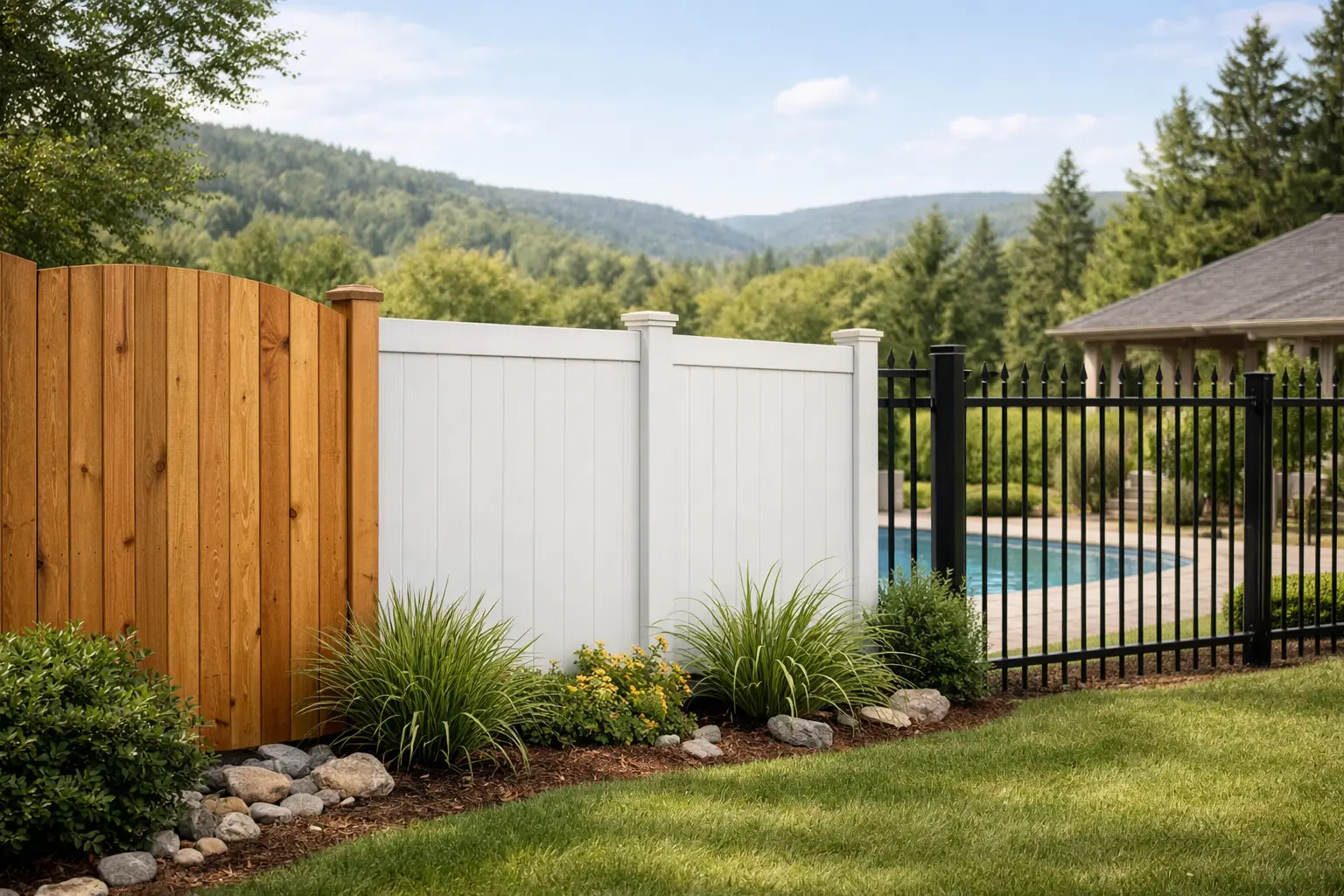
A fence has to do more than mark a property line. It may need to keep children and pets safely in the yard, create privacy from nearby homes, improve curb appeal, or control access to a driveway. The right residential fence options depend on what the fence must accomplish first, along with the terrain, local requirements, maintenance expectations, and budget.
For homeowners in Fort Smith, Northwest Arkansas, and the River Valley, weather matters too. Hot summers, heavy rain, humidity, and changing ground conditions can affect how a fence looks and performs over time. Choosing the material is only one part of the decision. Proper layout, post setting, gate placement, and installation quality all have a direct effect on the finished result.
Start With the Job Your Fence Needs to Do
Many fence projects begin with a simple question: What problem are we trying to solve? A privacy fence around a backyard calls for different materials and heights than a decorative front-yard boundary. A dog enclosure may need a fence that follows uneven ground closely, while a driveway entrance may require a wider opening and a dependable gate.
Privacy is often the main reason homeowners choose wood, vinyl, or composite fencing. These materials can create a solid visual barrier and define an outdoor living area. Security and containment can point homeowners toward chain link, ornamental fencing, or a combination of fence styles. For example, a homeowner may prefer an ornamental fence across the front of the property and a privacy fence around the back yard.
Before selecting a style, consider the full perimeter. Identify utility easements, drainage paths, slopes, retaining walls, trees, septic areas, and existing structures. A fence should work with the property rather than create a future access or maintenance problem.
Residential Fence Options by Material
Each fence material has practical advantages. The best choice is not always the most expensive option or the one that looks best in a photo. It is the one that fits the property, intended use, and level of upkeep the homeowner is prepared to handle.
Wood fencing
Wood remains a popular choice for backyard privacy because it offers a traditional appearance and a great deal of design flexibility. Homeowners can choose board-on-board, stockade, shadowbox, picket, horizontal styles, or custom layouts. Wood can also be stained or painted to complement the home.
The trade-off is maintenance. Arkansas moisture and sun can cause wood to weather, fade, warp, or develop mildew if it is not properly maintained. Quality materials, sound construction, and periodic staining or sealing help extend its service life. Wood is a strong choice when privacy, a natural look, and custom design matter most.
Vinyl fencing
Vinyl fencing provides a clean, consistent appearance without the recurring painting and staining associated with wood. It is available in privacy, picket, ranch rail, and other styles, making it useful for homeowners who want a lower-maintenance fence with a finished look.
Vinyl does not rot or attract insects, but it is not maintenance-free. It still needs occasional cleaning, and repairs can be more involved if a panel or component is damaged. Color and style options may also be more limited than with wood. For a homeowner who values privacy and wants less regular upkeep, vinyl is often worth considering.
Composite fencing
Composite fencing is designed to provide the appearance of wood with improved resistance to rot, insects, and weathering. It can be a good fit for homeowners who want a more substantial privacy fence and prefer not to maintain natural wood as frequently.
Upfront cost is typically higher than a basic wood fence, and available styles can vary by product line. Still, composite can make sense for long-term projects where appearance and reduced maintenance carry more weight than the lowest initial price.
Chain link fencing
Chain link is a practical, cost-conscious option for enclosing yards, pet areas, gardens, and larger properties. It provides visibility, durability, and reliable containment. Galvanized chain link offers a traditional metal finish, while vinyl-coated chain link can provide a darker, more blended appearance.
A standard chain link fence does not provide privacy on its own. Privacy slats, landscaping, or screens can help, but these additions change the cost and look of the project. Chain link is often the right answer when security, function, and budget are the priorities.
Ornamental fencing
Ornamental fencing delivers a more formal appearance without closing off the view of the property. It is commonly used along front yards, pool areas, entrances, and landscaped spaces where curb appeal is as important as containment. Steel or aluminum ornamental systems can offer clean lines, durable finishes, and a more upscale look than basic wire fencing.
Because ornamental fencing is open in design, it will not create backyard privacy. It can also cost more than chain link or basic wood construction. However, for homeowners who want a defined boundary, visibility, and a polished appearance, ornamental fencing is a strong long-term option.
Privacy, Security, and Curb Appeal Do Not Always Point to the Same Fence
A tall solid fence offers privacy, but it can make a smaller yard feel enclosed and may not suit a front-facing property. An ornamental fence creates an attractive boundary, but it does little to block views or reduce noise. Chain link may be the most practical fence for a large dog run, but it may not match the appearance a homeowner wants near a patio or street-facing area.
That is why mixed-material layouts can be useful. A project may use ornamental fencing where the property is visible from the road, privacy fencing around a patio, and chain link along a less visible side or rear boundary. The layout should be planned as one system so heights, transitions, gates, and finished elevations make sense together.
Local rules also deserve attention before work begins. Neighborhood associations, subdivision covenants, municipal codes, and pool-safety requirements can affect allowed heights, styles, materials, and placement. Property surveys are especially valuable when a fence will run near a boundary line. Building a fence in the wrong location can lead to costly changes later.
Gates Are Part of the Fence System
A gate sees more use than nearly any other part of a residential fence. A well-built fence can still become frustrating if the gate drags, sags, will not latch, or is too narrow for the way the property is used.
Walk gates should be wide enough for lawn equipment, trash bins, and regular foot traffic. Double-drive gates may be needed for trailers, equipment, or backyard vehicle access. On larger or more security-focused properties, a custom gate or automated operator may be appropriate. Gate posts and hardware need to match the size and weight of the opening, especially on sloped ground or wide spans.
Think ahead about daily use. A gate placed near the driveway may make pet access easier. A second gate near a storage area can save time during yard work. These are small planning details that make a fence more useful after installation.
What Affects the Cost of a Residential Fence?
Material and linear footage are major cost factors, but they are not the only ones. Fence height, number of gates, ground slope, rock, tree roots, demolition of old fencing, corner conditions, and custom details can all affect the final estimate. A straight, level run with few interruptions is very different from a backyard with changing grades, multiple gates, and difficult access.
The lowest bid may not account for the same post depth, hardware, gate construction, material quality, or site preparation as another proposal. Compare estimates based on the complete scope of work, not just the price per foot. Ask how posts will be set, what materials are included, how gates will be built, and whether removal of the existing fence is part of the project.
Plan for the Fence You Will Need Years From Now
A fence is a working part of the property, not just a weekend improvement. It should fit how your household uses the yard now and leave room for changes such as a pool, shed, garden, new pet, or driveway upgrade. The right material, layout, and gate plan can prevent a good fence from becoming an inconvenient one.
Ace Fence Company Inc. has worked with Arkansas property owners since 1963 on everything from straightforward backyard enclosures to custom gates and access solutions. A site visit and clear estimate are the best next steps when you are weighing residential fence options and want a fence built for the way your property actually works.
Ready to Talk to a Real Fence Professional?
Free on-site estimates from the River Valley's most trusted fence company since 1963.