Privacy Fences That Fit Your Property and Needs
Privacy fences give Arkansas homes and businesses dependable boundaries, less visibility, and a clean look. Compare materials, heights and planning needs.
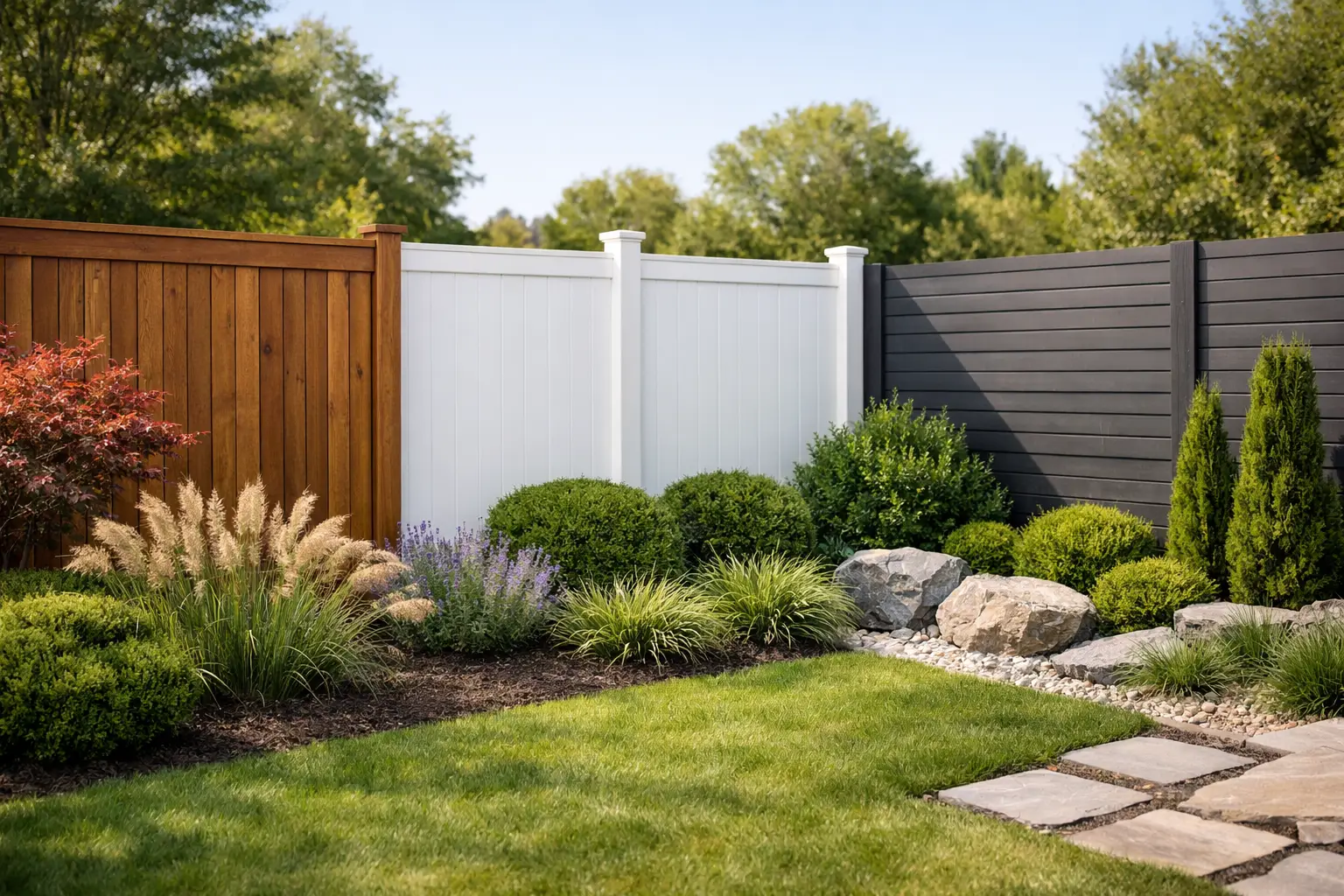
A privacy fence does more than block a neighbor’s view. It can define a backyard, contain pets, reduce visual distractions around a patio or pool, and give a property a more finished appearance. For businesses, privacy fences can screen equipment, storage areas, service yards, and employee spaces while helping establish a clear perimeter.
The right fence is rarely just the tallest one available. Material, layout, gate placement, maintenance expectations, local requirements, and the condition of the ground all affect whether the finished fence performs well for years. A practical plan starts with how you use the property and what you need the fence to accomplish.
What Privacy Fences Need to Do
Most homeowners want privacy from nearby streets, adjoining homes, or heavily used outdoor areas. A six-foot wood, vinyl, or composite fence is often a practical starting point, but the best height and design depend on sightlines. A fence that works well along a side yard may not provide the same coverage on a sloped lot or beside a raised deck.
Privacy can also be part of a larger property plan. A homeowner may need a quiet, enclosed area for children and pets, along with a gate wide enough for lawn equipment. A restaurant, apartment community, or industrial site may need to conceal dumpsters, mechanical equipment, or staging areas while maintaining access for service crews.
That is why it helps to separate privacy from security. A solid fence limits visibility, but it is not automatically the best security solution. Commercial sites may benefit from a combination of privacy screening, chain link perimeter fencing, ornamental fencing, controlled gates, and access-control equipment. The correct approach depends on what is being protected, who needs entry, and how the site operates each day.
Choosing a Material for Privacy Fences
Wood remains a common choice because it offers a traditional appearance, can be built in several styles, and works well with many homes. Board-on-board and shadowbox designs provide coverage while adding dimension. A solid wood fence delivers the most direct screening, although wood requires periodic inspection, staining, sealing, or repair depending on the finish and weather exposure.
Vinyl fencing gives property owners a clean, consistent appearance with less routine upkeep. It does not need painting, and it can be a good fit for homeowners who want long-term privacy without the maintenance demands of wood. The trade-off is that vinyl styles and colors are more defined by the manufacturer, and quality installation matters because posts, rails, and gates must be properly supported.
Composite fencing is another option for owners looking for a durable, low-maintenance privacy fence. It can provide a more uniform finish and resist many of the issues associated with traditional wood. Cost, available styles, and site conditions should be considered early, especially on long fence runs or projects with multiple gates.
Chain link is not usually selected as a full privacy fence by itself, but it can serve a role on commercial and industrial properties. Privacy slats or screening can reduce visibility in a cost-conscious perimeter system. This approach may make sense around storage areas, athletic facilities, utility areas, or locations where security and durability are the primary concerns. It will not have the same solid appearance as wood, vinyl, or composite, and wind exposure must be considered when adding screening.
Ornamental fencing is typically chosen for appearance, access control, and security rather than complete visual privacy. Still, it can work alongside solid fencing when a property needs an attractive street-facing boundary and a screened service or backyard area.
Height, Layout, and Sightlines Matter
Fence height should be planned around the actual views you want to block. Stand in the areas where you spend time: the patio, porch, pool deck, outdoor kitchen, parking area, or service entrance. Look toward neighboring windows, traffic, elevated lots, and nearby buildings. This simple step often reveals where a standard-height fence is enough and where a change in layout may be more effective.
A taller fence is not always the answer. Local zoning rules, subdivision restrictions, easements, and property-line requirements can limit height or placement. Front-yard fencing is often treated differently than backyard fencing. Commercial projects may also have requirements related to visibility at driveways, fire access, utility corridors, or drainage routes.
Corners and gates deserve attention early in the planning process. A privacy fence that ends in the wrong place can leave a clear view into the area it was meant to screen. Gates should open where they do not interfere with walkways, vehicles, landscaping, or daily traffic. If a riding mower, trailer, delivery vehicle, or maintenance crew needs access, that opening should be sized for the job rather than treated as an afterthought.
Build for Arkansas Weather and Ground Conditions
Northwest Arkansas and the River Valley can bring heat, humidity, heavy rain, high winds, and changing ground conditions. Those realities affect post depth, concrete setting, drainage, and the type of material that makes sense for a particular location.
Water should not be trapped along the base of a fence. On sloped ground, a fence may need to step with the grade or follow the contour depending on the design and the desired appearance. Either method can work, but both require careful measurement. Gaps below the fence may be an issue for pets, and uneven sections can weaken the finished look if they are not planned correctly.
Wind is another concern, particularly for long runs of solid privacy fencing. A solid fence catches more wind than an open-style fence, so strong posts, sound framing, and proper installation are not optional details. The same is true for gates. A sagging gate is often a sign that the posts, hardware, or opening were not built to handle its size and use.
Plan the Project Before Materials Arrive
A clear property line is the starting point. Do not rely solely on an old fence, landscaping, or assumptions about where a boundary falls. If the line is uncertain, review available records and consider a survey before construction. Building in the wrong location can create an expensive problem that no property owner wants to correct later.
Call for utility locating before digging. Underground electric, gas, water, communications, irrigation, and drainage lines may cross areas that appear open. This step protects workers, property, and essential services.
It is also wise to talk with neighbors when a shared boundary is involved. You do not need agreement on every design choice, but a direct conversation can prevent surprises and make construction day easier. Discussing the finished side of the fence, access needs, and timing is often worthwhile.
For commercial properties, planning should include traffic flow and operations. Consider where delivery trucks enter, where employees park, how emergency access is maintained, and whether the fence needs to connect with a sliding, cantilever, or automated gate. A privacy screen that blocks a service area is useful only if the people who need access can still get in and out safely.
When a Custom Fence Plan Is Worth It
Straightforward backyard installations can often follow a familiar pattern. But a custom plan is valuable when the site includes grade changes, unusual lot lines, retaining walls, water features, multiple gates, equipment enclosures, or access-control needs. These conditions affect more than appearance. They can change post placement, gate type, drainage, and the amount of reinforcement required.
Ace Fence Company Inc. has served the Fort Smith area, Northwest Arkansas, and the River Valley since 1963. That local experience matters when a project needs more than a basic fence run, whether the goal is a private backyard, a screened commercial yard, or a perimeter that includes specialty gates and controlled access.
A good privacy fence should fit the property without creating new maintenance or access problems. Start with the views you want to screen, the people and equipment that need to pass through, and the conditions the fence will face year after year. With those details settled before installation, the finished fence can provide privacy that feels useful, durable, and properly built for the way you live or work.
Ready to Talk to a Real Fence Professional?
Free on-site estimates from the River Valley's most trusted fence company since 1963.