Privacy Fence Installation Cost Explained
Learn what affects privacy fence installation cost, from materials and height to site conditions, labor, gates, and long-term value.
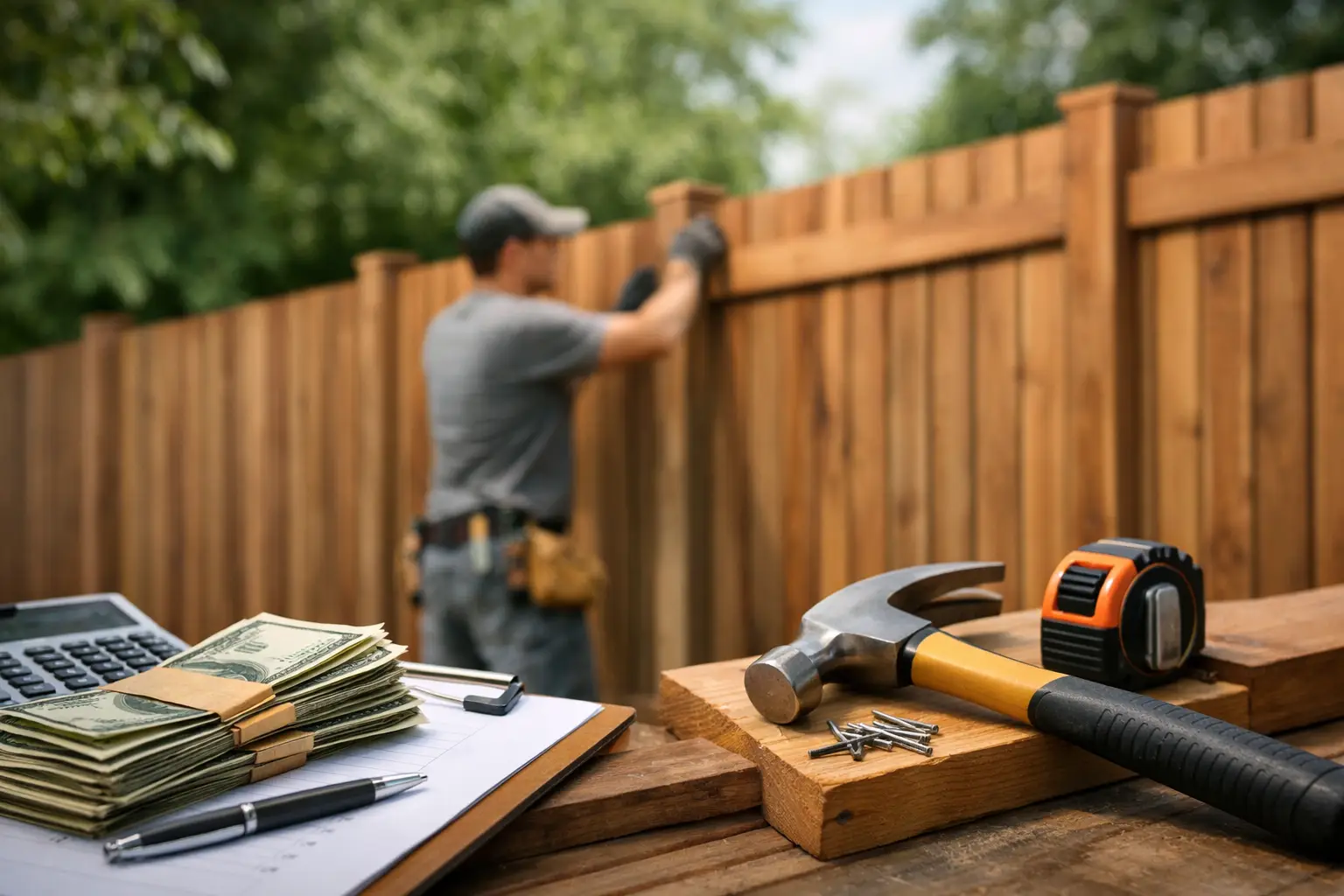
If you have ever priced a backyard fence and gotten numbers that were farther apart than expected, you are not alone. Privacy fence installation cost can vary quite a bit from one property to the next, even when the fence looks similar on paper. The difference usually comes down to materials, layout, site conditions, and the kind of installation work required to do the job right.
For homeowners and property managers, the real question is not just what a privacy fence costs. It is what you are getting for that price, how long it will last, and whether the fence fits the way the property is actually used. A low number may look good at first, but it does not always account for grade changes, gate placement, removal of old fencing, or the quality of posts and hardware.
What affects privacy fence installation cost
The biggest factor is material. Wood is often the first option people consider because it offers a classic look and strong visual privacy. But wood pricing can shift based on the type of lumber, board style, post size, and finish details. A basic treated wood fence will usually land in a different price range than a cedar privacy fence built for appearance and longevity.
Vinyl is another common choice for privacy fencing. It can cost more upfront than some wood installations, but many property owners like it because it stays clean-looking with less maintenance. Composite fencing is usually higher on the front end, yet it appeals to buyers who want a more premium finish and long-term durability.
Height also matters. A 6-foot privacy fence is common for residential yards, but 8-foot fencing, where allowed, requires more material and more structural support. Taller fences may need heavier posts, deeper post holes, or added framing depending on the product and site conditions.
Linear footage is another obvious cost driver, but the layout matters almost as much as the total length. A straight run is simpler and faster to install than a fence with multiple corners, transitions, tight access points, or custom tie-ins to structures. Gates also add to the total. A single walk gate affects cost differently than a double drive gate or a custom entry point that needs upgraded hardware.
Privacy fence installation cost by material
Wood privacy fencing is often selected because it balances appearance, performance, and price. Still, there is no single wood fence cost. A basic dog-ear treated pine privacy fence usually prices differently than a shadowbox style, a cap-and-trim design, or a higher-end cedar installation. The details change the labor as well as the material cost.
Vinyl privacy fencing tends to be more standardized, but not all vinyl products are equal. Panel thickness, post design, reinforcement, and color options can all affect the final number. Some lower-cost vinyl products look attractive in a quote but may not hold up as well under wind load or long-term exposure.
Composite privacy fencing is typically chosen by owners who want a more finished appearance with less upkeep over time. It is not the cheapest route, but in the right setting it can make sense. Commercial and upscale residential properties sometimes prefer composite when appearance and service life are both part of the decision.
In practical terms, many homeowners find wood gives them the lowest initial buy-in, while vinyl and composite may offer lower maintenance demands after installation. That does not make one option universally better. It depends on the property, the budget, and how long you plan to keep the fence.
Labor, site conditions, and the hidden cost drivers
This is where many estimates separate. Privacy fence installation cost is not just about panels and posts. Labor can shift substantially based on what the crew is working with once they get on site.
A flat, open yard with clear access is usually more straightforward than a property with steep slopes, tree roots, rocky soil, drainage issues, or existing concrete. If crews have to hand-carry materials through narrow access areas or work around landscaping, pools, retaining walls, or utility conflicts, labor time increases.
Removal and disposal of an old fence is another common add-on. If the existing fence has concrete footings, broken posts, or embedded debris, teardown can take more effort than expected. That cost is real work, and it should be accounted for clearly instead of treated like an afterthought.
Permits and code requirements can also affect pricing. Some cities and neighborhoods have rules about fence height, placement, gate swing, or visibility near driveways and intersections. If a project needs special adjustments to meet local requirements, that can influence both design and cost.
Why one quote can be much lower than another
When customers compare estimates, they often assume everyone is pricing the same job. That is not always the case. One contractor may be including full tear-out, better posts, heavier gate hardware, and proper concrete set depths, while another is pricing a more basic version of the project.
Post installation is a good example. Fence performance depends heavily on what is below ground, not just what you see above it. If posts are undersized or set too shallow, the fence may not hold up well over time. A cheaper quote can sometimes reflect shortcuts that only become obvious after a season of wind, moisture, and ground movement.
Gate construction is another area where quality shows. Privacy fence gates get used every day, and they carry stress that the fence line does not. The difference between a gate that stays square and one that starts dragging usually comes down to framing, hinge quality, post strength, and installation accuracy.
Residential versus commercial privacy fencing
For residential projects, the goal is often backyard privacy, pet containment, pool area separation, or a cleaner property line. The design tends to focus on appearance, durability, and function. In these cases, privacy fence installation cost usually centers on material, height, gates, and site access.
For commercial properties, the conversation can be different. Some sites need privacy screening for dumpsters, service yards, equipment areas, or tenant separation. Others need a fence that works as part of a broader perimeter strategy. In those situations, privacy fencing may need to coordinate with access gates, traffic flow, or higher-security sections elsewhere on the property.
That is one reason property owners often prefer working with a contractor that handles more than basic residential fence runs. If the project may eventually tie into gates, controlled entry, or specialty perimeter solutions, broader installation capability matters.
How to budget for privacy fence installation cost
The best way to budget accurately is to start with the property itself, not an online average. National price ranges can be useful for rough planning, but they do not account for local labor, terrain, or product selection. A fence quote should reflect your lot, your access points, and the type of privacy fence you actually want.
It helps to decide early what matters most. If your priority is the lowest upfront price, that may point toward one material and a simpler layout. If your priority is long-term appearance with less maintenance, the better value may be elsewhere. Some owners are comfortable staining or sealing wood over time. Others would rather spend more initially to avoid ongoing upkeep.
You should also think beyond the fence line itself. Do you need one gate or several? Will equipment access matter later? Are there utilities, slopes, or trees that may change the installation plan? These details shape cost more than many people expect.
For property owners in Arkansas, local site knowledge matters too. Soil conditions, drainage patterns, weather exposure, and municipal requirements are not the same from one region to another. A contractor with long-term experience in the area is more likely to price the work based on what the site will actually require, not just what looks good in a quick estimate.
Getting the right value from the project
The lowest fence price is not always the lowest cost over time. If the fence leans early, the gate fails, or the material does not fit the use of the property, you may end up paying twice. Good planning, accurate measurements, and proper installation usually save money in the long run.
That is especially true when privacy fencing is part of a larger property improvement. A well-built fence should do more than block a view. It should define the space clearly, hold up to regular use, and match the needs of the site. For homeowners, that may mean privacy and curb appeal. For businesses, it may mean screening, boundary control, and a cleaner, more secure layout.
At Ace Fence Company Inc., that practical approach has mattered for decades. Every property is different, and the right estimate should reflect the actual conditions, the right material for the job, and the level of work needed to build a fence that lasts.
If you are planning a privacy fence, the most useful next step is not chasing the cheapest number. It is getting a clear estimate that shows what is included, what could affect the price, and what kind of fence makes the most sense for your property.
Ready to Talk to a Real Fence Professional?
Free on-site estimates from the River Valley's most trusted fence company since 1963.