Privacy Fence Height Rules Explained
Learn how privacy fence height rules work, what affects legal fence height, and how to plan a code-conscious fence project with fewer delays.
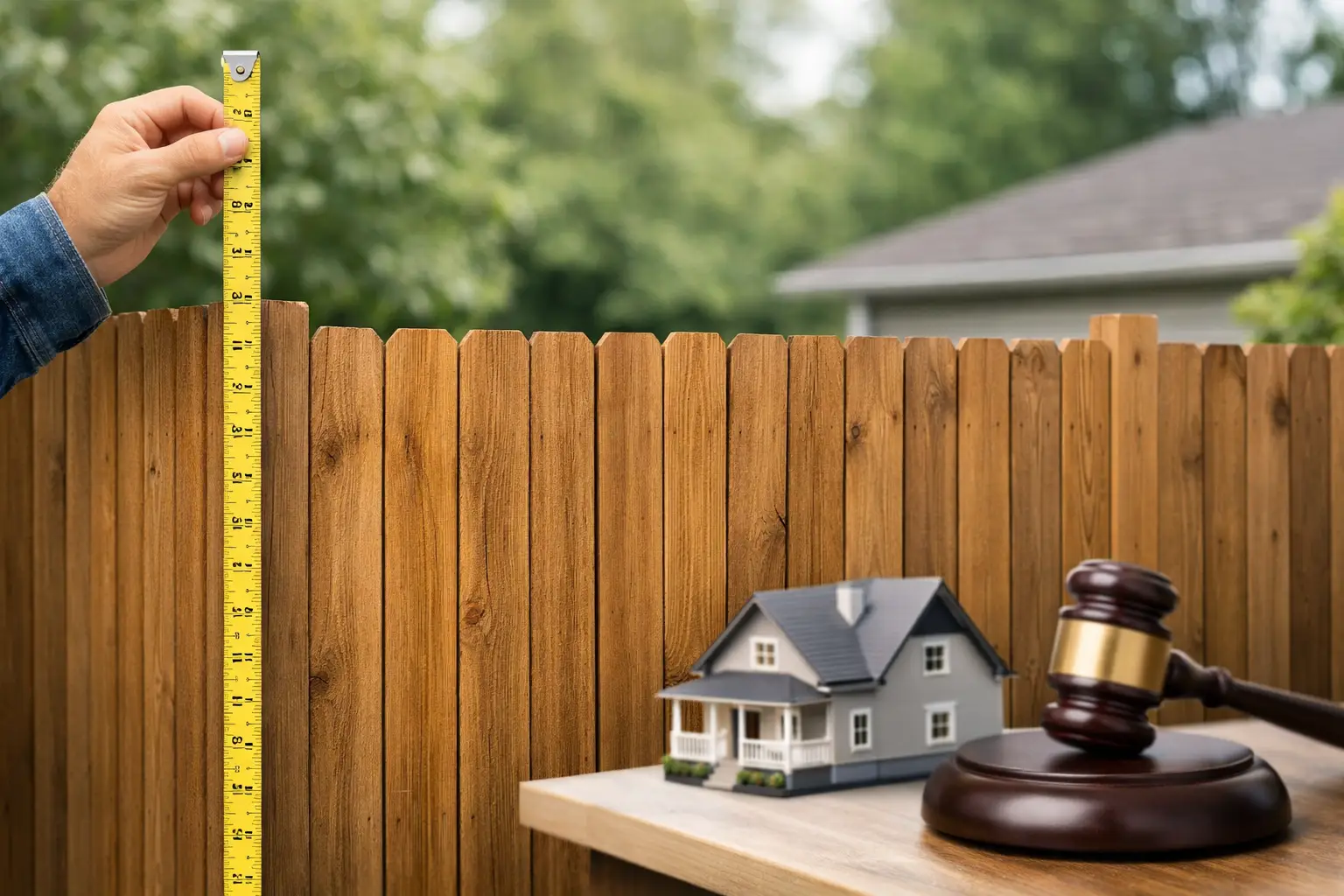
A six-foot privacy fence can look straightforward on paper, then turn complicated fast once setbacks, corner visibility, HOA rules, and local codes enter the picture. That is why privacy fence height rules matter before you order materials or schedule an installation. A fence that is perfectly acceptable in one neighborhood or zoning district may need changes just a few streets away.
For homeowners, the main concern is usually privacy without creating a permit problem. For commercial property owners and developers, fence height often overlaps with access control, visibility, and site security requirements. Either way, the smartest approach is to treat height as a code issue first and a design choice second.
What privacy fence height rules usually cover
Most privacy fence height rules address one basic question: how tall can a fence be in a specific part of the property? In many areas, the answer changes depending on whether the fence sits in the backyard, side yard, or front yard. A rear-yard privacy fence may be allowed at six feet, while a fence closer to the street may have a lower limit to preserve sightlines and neighborhood appearance.
This is where property owners get tripped up. They assume a single height limit applies everywhere on the lot, but local ordinances often break the property into zones. On corner lots, the standards can be stricter because traffic visibility matters. A fence that blocks the line of sight for drivers pulling out or turning at an intersection can create a safety concern even if the material itself is approved.
Height rules may also define how measurements are taken. Some jurisdictions measure from finished grade on the outside of the fence. Others may consider retaining walls, berms, or grade changes as part of the total effective height. If your yard slopes, what looks like a six-foot fence from one side might read much taller from another.
Why a six-foot fence is common, but not guaranteed
Six feet is a common target for residential privacy fencing because it gives solid screening without feeling overly imposing. Wood, vinyl, and composite privacy fences are frequently built at that height. But common does not mean automatic.
Some municipalities allow six feet in rear and side yards by right, while others require a permit above a lower threshold. In certain subdivisions or planned developments, private restrictions may be tighter than city code. If an HOA caps privacy fencing at five or six feet, that rule can affect the project even when the city would allow more.
There are also cases where a property owner wants extra height for a good reason. Maybe a backyard sits below a neighboring deck, or maybe a commercial site needs more screening from adjacent traffic. The challenge is that taller fences can trigger added review. Once you move beyond standard residential height, you may be dealing with zoning approvals, engineering considerations, or different fence classifications altogether.
Front yard and corner lot rules tend to be stricter
If your project includes any portion of fence facing a street, assume there will be closer scrutiny. Front yard fences are often limited to a lower height than backyard fences, especially when the fence is solid rather than open. The reason is practical. Cities and counties want to protect visibility and avoid creating blind spots.
Corner lots deserve special attention. There is often a visibility triangle or clear sight area near the intersection where fencing height is restricted. That means a six-foot privacy fence may be allowed along part of the side yard, but not all the way to the corner. In those cases, the solution may be a stepped transition, a shorter section near the street, or a more open style that preserves visibility.
This is one of those situations where design and compliance have to work together. A fence can still provide privacy and security without ignoring line-of-sight requirements.
Permits, plats, and property lines matter more than many people expect
A legal fence height is only part of the picture. You also need to know where the fence can go. Installing a privacy fence directly on or over a property line, inside an easement, or in conflict with utility access can create a bigger problem than height alone.
Before building, it helps to review the survey or plat if one is available. That gives a clearer picture of lot boundaries, easements, and drainage areas. Height restrictions sometimes interact with those factors. For example, a utility easement may limit permanent structures, or drainage concerns may affect how a fence is designed in a low area.
Permits vary by jurisdiction. Some projects move forward with a simple fence permit, while others may require a site review or additional approvals. If the property is commercial or tied to a larger development plan, the review process may be more detailed. That is especially true when fencing works alongside gates, operators, controlled entry points, or specialized perimeter systems.
Material choice can affect how height is reviewed
Not every six-foot fence is treated the same way in practice. A solid wood privacy fence, a vinyl privacy panel, and an ornamental fence with open pickets may be subject to different expectations depending on where they are placed. The more solid the fence, the more likely it is to raise visibility and aesthetic questions near streets or shared boundaries.
Material also affects performance. A taller privacy fence catches more wind, which means post depth, footing size, and overall construction matter. That is one reason code-conscious installation is about more than passing an inspection. The fence needs to hold up over time, especially in weather conditions common across Arkansas.
For commercial and industrial properties, height may also connect to security goals. A property owner may want screening in one area, controlled access in another, and a different fence style around loading zones or equipment yards. In that setting, the height discussion becomes less about one universal rule and more about matching the right fence system to each part of the site.
How to plan around privacy fence height rules
The best time to deal with privacy fence height rules is before the layout is finalized. Start with the property address and the intended fence location, then verify the local requirements that apply to that lot. That includes municipal code, county rules if applicable, subdivision restrictions, and any HOA standards.
From there, look at the parts of the property that can change the answer. Is it a corner lot? Is there a slope? Will the fence run near a driveway entrance, sidewalk, or street frontage? Are there easements or utility corridors? Those details often decide whether a standard six-foot layout will work as planned or need adjustment.
It also helps to think in terms of function instead of just height. If the real goal is to block a view from one direction, a stepped design or selective taller section may solve the issue better than trying to maximize height everywhere. If security is the priority on a business property, privacy fencing may need to coordinate with gates, access points, and traffic flow rather than stand alone.
A contractor with local experience can usually spot the likely trouble areas early. In Fort Smith, Northwest Arkansas, and the River Valley, site conditions and local requirements can vary enough that a one-size-fits-all fence plan rarely stays simple for long.
Common mistakes that lead to delays
The most common mistake is assuming a neighbor's fence sets the standard. It might be older than the current code, approved under a different rule, or built without review. Another mistake is measuring fence height from the wrong grade point, especially on sloped lots.
Property owners also run into trouble when they forget about gates. A privacy fence may meet the height limit, but a gate near an entry drive still has to work safely and may need to preserve visibility. On commercial sites, that issue becomes even more important when larger gate systems or controlled access equipment are part of the project.
Then there is the simple problem of building first and checking later. That usually costs more than doing the homework upfront. Reworking a fence after installation is never the efficient option.
Privacy fencing does its best work when it balances screening, appearance, and compliance from the start. If you are planning a new fence, the right next step is not guessing how tall it can be. It is confirming what the property allows and building a layout that works the first time.
Ready to Talk to a Real Fence Professional?
Free on-site estimates from the River Valley's most trusted fence company since 1963.