How to Prevent Fence Sagging Before It Starts
Learn how to prevent fence sagging with proper post depth, drainage, hardware, and maintenance for wood, vinyl, chain link, and gate systems in Arkansas.
A fence rarely starts sagging all at once. A gate begins dragging across the driveway, one section of wood leans after a hard rain, or a chain link run develops a loose spot near a corner. Those early signs usually point to an issue below ground, at a connection point, or in the way the fence is carrying its load. The best way to prevent fence sagging is to address those details during planning and installation, before weather and daily use turn a small weakness into a costly repair.
In Fort Smith, Northwest Arkansas, and the River Valley, fencing has to handle heavy rain, changing soil conditions, summer heat, wind, and occasional freezing weather. A fence that looks straight on installation day still needs the right footing, materials, bracing, and drainage to stay that way over time.
Start With Posts That Match the Fence Load
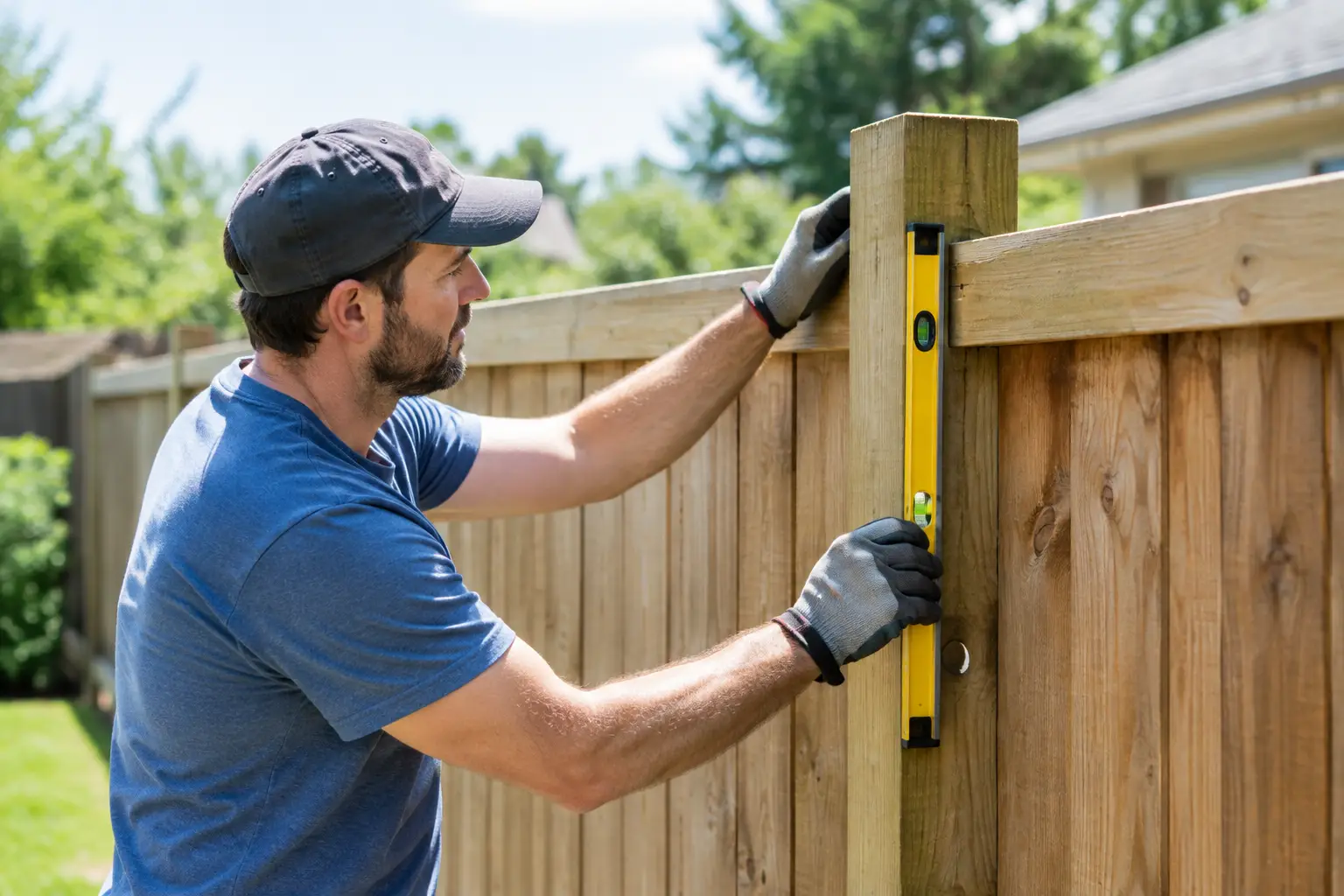
Posts carry the work of the entire fence line. When a post moves, leans, rots, or pulls upward out of the ground, the rails and panels attached to it follow. This is especially noticeable on privacy fences, where broad solid panels catch wind like a sail.
Post depth should be based on the fence height, soil conditions, and expected load. A short decorative fence does not need the same support as a 6-foot wood privacy fence, commercial chain link enclosure, or automated gate. As a practical rule, a meaningful portion of each post needs to be below grade, set in a properly sized hole, and secured for the conditions on that property.
Concrete can provide dependable support when it is installed correctly, but it is not a cure for poor layout or drainage. The bottom of the post hole should be prepared so water does not stay trapped around a wood post. The concrete should also be shaped to direct surface water away from the post rather than creating a low area where water collects.
For long runs, post spacing matters just as much as depth. Spacing posts too far apart allows rails to flex, panels to bow, and wire fabric to loosen. Keeping spans appropriate for the material creates a fence that distributes pressure evenly instead of concentrating it at a few weak points.
Plan for Drainage and Changing Ground Conditions
Water is one of the main reasons fences settle and sag. Saturated soil loses strength, which can allow posts to shift. Water also accelerates decay in untreated or damaged wood and can wash out soil around posts on sloped lots.
Before installation, look closely at how rainwater moves across the property. Low spots, downspout discharge, ditch lines, and the bottom of a grade change deserve attention. A fence installed directly in a recurring wet area may need a different post treatment, stronger footings, drainage improvements, or a layout adjustment.
Clay-heavy soil can expand when wet and contract during dry periods. That movement may slowly push posts out of alignment. Rocky ground brings a different challenge: installers may need to adapt hole preparation to obtain the depth and stability the fence requires. There is no one-size-fits-all footing detail for every Arkansas property. Site conditions should guide the approach.
Avoid piling soil, mulch, or landscaping materials against the base of wood posts. It holds moisture where the post is most vulnerable. Leave enough clearance to inspect the post base and allow the area to dry after rain.
Build the Frame Before Adding the Finish
On a wood fence, the visible pickets are not the structural system. The posts and horizontal rails do the real work. If rails are undersized, poorly fastened, or allowed to span too far, they can bow under the weight of the pickets and the pressure of wind.
Using quality rails and fastening them securely to each post helps keep the line straight. Wood shrinks and expands with moisture changes, so fasteners should be selected and installed with that movement in mind. Exterior-rated screws or properly installed fasteners generally provide better long-term holding power than shortcuts that can loosen or pull free.
The same principle applies to vinyl, composite, ornamental, and chain link fencing. Each system has its own structural components, including line posts, terminal posts, rails, tension bars, brackets, and caps. Mixing incompatible components or skipping required reinforcement may save time during installation, but it often leads to movement later.
Vinyl and composite fences can offer low-maintenance appearance, but they still require a sound framework and properly installed internal reinforcement where the system calls for it. Ornamental fencing needs correctly aligned posts and secure panel connections. Chain link requires the fabric to be tensioned evenly and supported by suitable top rail, tension wire, and terminal assemblies.
Prevent Fence Sagging at Gates
Gates are the most common place for sagging because they move, carry their own weight, and place repeated force on the hinge-side post. A gate that is square when installed can become a problem quickly if the post is undersized, the hinges are light-duty, or the frame lacks bracing.
The hinge post and latch post need to be selected for the width, height, and weight of the gate. A walk gate for a backyard is different from a wide double-drive gate, cantilever sliding gate, or automated commercial entry system. Larger openings may require steel posts, deeper foundations, engineered hardware, or a gate design that transfers weight differently.
A properly framed swing gate should resist racking. In a wood gate, diagonal bracing is generally arranged to carry the load from the lower hinge corner toward the upper latch corner. Steel-framed gates often use welded braces or truss-style support. The goal is the same: keep the frame square as gravity and daily use pull downward.
Hardware deserves more attention than it usually gets. Hinges should be rated for the gate weight and used in the correct quantity. Latches, drop rods, rollers, stops, and closers should be aligned so the gate closes without being forced into position. If a gate has an operator, the gate structure and support posts must be built for both the moving load and the forces created by the operator.
Do not wait until a dragging gate damages the latch, operator, or pavement. Early adjustment is simpler than rebuilding a gate opening after the posts have moved.
Maintain Wood Before Moisture Causes Damage
Wood is a practical, attractive choice for many Arkansas homes, but it needs periodic attention. The most vulnerable areas are cut ends, fastener locations, rail connections, and the portion of a post near grade. Cracked boards and failed fasteners let water reach places where decay can begin.
Check a wood fence at least once or twice a year, especially after severe weather. Look for loose rails, split pickets, soft wood at post bases, rusted fasteners, and panels that no longer sit level. Refastening a loose rail or replacing one deteriorated picket early can help protect the rest of the section.
Stain or sealant can slow weathering when applied to properly prepared wood, but coatings are maintenance tools, not structural repairs. If a post is rotted or a footing has shifted, applying a fresh finish will not restore strength. Address the cause first, then protect the repaired or replaced material.
Watch for Warning Signs Before They Spread
Fence problems tend to travel. One leaning post pulls on adjacent rails. A loose chain link terminal post reduces tension across an entire run. A sagging gate puts extra stress on every hinge and latch component.
Pay attention to a fence that no longer follows a straight line, rails that have dropped, gaps opening below panels, posts that move when pushed, or gates that scrape, bind, or need to be lifted to latch. These are useful signs that the fence needs an inspection, not just a cosmetic adjustment.
For commercial and industrial properties, regular checks are also part of perimeter security. A damaged gate, loose fence fabric, or shifted access-control component can create an entry point where one should not exist. High-use entry gates should be inspected more often than a low-traffic residential walk gate.
Choose Installation for the Property, Not Just the Product
A fence material alone does not determine whether a fence will remain straight. The same wood, chain link, ornamental, vinyl, or composite system can perform very differently depending on post installation, terrain, wind exposure, gate design, and drainage.
That is why an on-site assessment is useful before committing to a layout. A qualified fencing contractor can identify grade changes, wet areas, existing utilities, high-wind exposures, vehicle access needs, and gate loads that affect construction details. For projects involving wide openings, automated gates, specialty security systems, or commercial perimeter requirements, those details should be established before installation begins.
Ace Fence Company Inc. has worked with residential and commercial property owners across the region since 1963, providing fence and gate solutions built around real site conditions. A properly planned fence is easier to maintain, safer to use, and far less likely to need early correction.
If part of your fence has started to move, act while the issue is limited to one post, panel, or gate. And if you are planning a new enclosure, invest in the foundation and framing first. That is where a straight, dependable fence begins.
Ready to Talk to a Real Fence Professional?
Free on-site estimates from the River Valley's most trusted fence company since 1963.