Pet Containment Fencing That Fits Your Yard
Plan pet containment fencing for a secure yard with the right height, material, gates, and installation for Arkansas weather and terrain conditions alike.
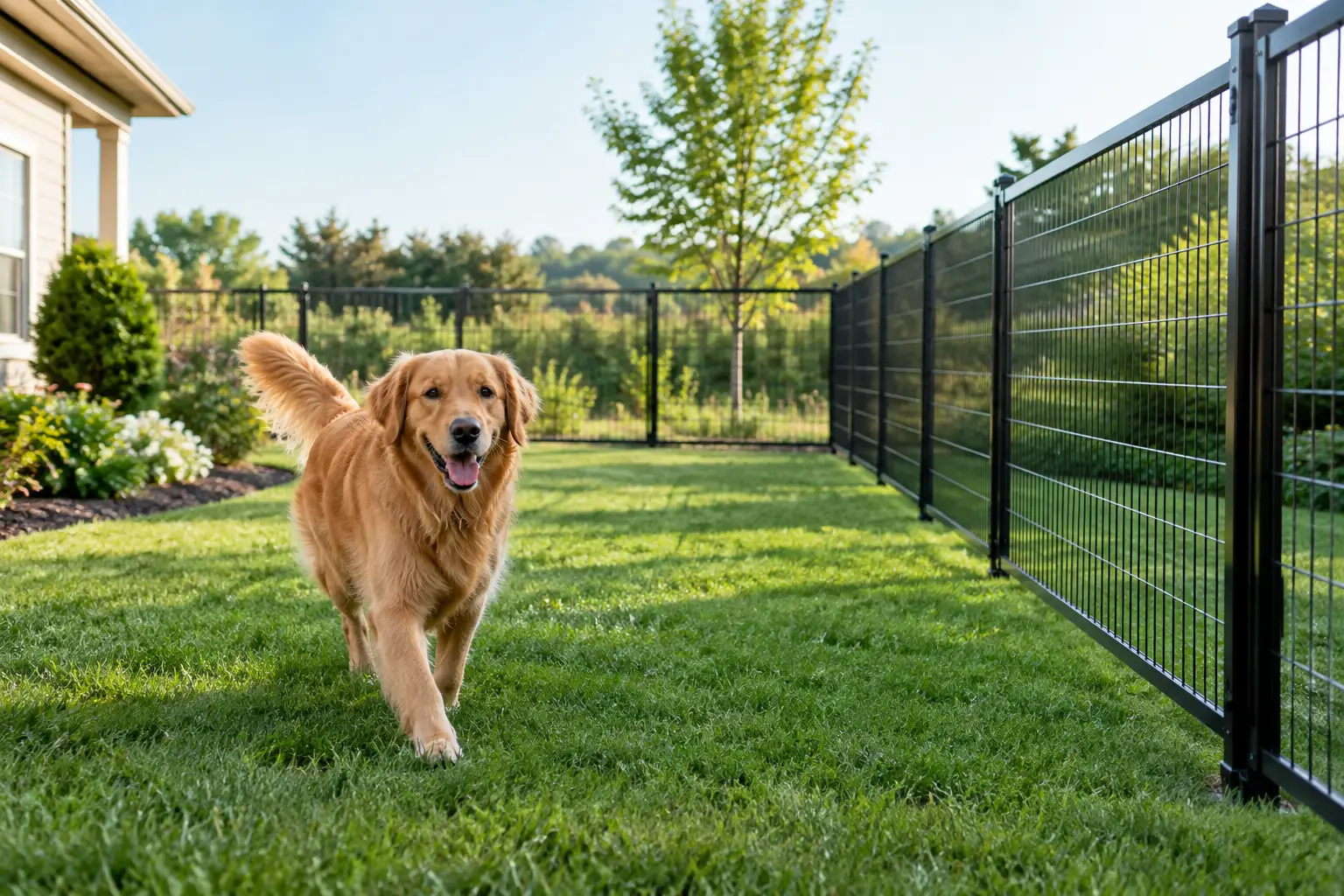
A loose dog can turn an ordinary morning into a dangerous situation fast. Whether the risk is traffic, neighboring livestock, wildlife, or simply a dog that sees an open gate as an invitation, pet containment fencing gives homeowners a defined, dependable way to let pets use the yard safely. The right fence does more than mark a property line. It needs to account for your pet’s size, behavior, yard layout, and the conditions it will face year after year.
For homeowners across Fort Smith, Northwest Arkansas, and the River Valley, the best solution is rarely a one-size-fits-all fence. A small dog that slips through wide openings has different needs than a strong, athletic dog that climbs or digs. Careful planning at the start can prevent costly changes after installation.
Start With Your Pet’s Actual Habits
Fence height matters, but it is only one part of effective containment. Before choosing a material or layout, consider how your pet reacts when excited, startled, or determined to get past a boundary. A calm older dog may stay comfortably behind a shorter decorative fence. A young dog that chases squirrels, jumps on visitors, or tests every corner of the yard may need a taller, more secure design.
Dogs generally escape in predictable ways: jumping, climbing, digging, squeezing through openings, or pushing through a poorly latched gate. The fence should address the behavior you actually see, not just the dog’s breed or current size. Puppies grow. A dog that has never tried to climb may start after spotting another animal on the other side of the fence.
Fence openings deserve just as much attention as height. Chain link mesh, ornamental picket spacing, and the gap beneath a fence can all create problems for small pets. For dogs that dig, installers can discuss options such as setting fence fabric lower, using a buried barrier, or adjusting the grade along the bottom line. The right approach depends on soil conditions, drainage, and how much digging the dog does.
Pet Containment Fencing Materials and Trade-Offs
Several fencing materials can work well for pet containment fencing. The practical choice comes down to visibility, privacy, maintenance, budget, and the level of security needed.
Chain Link for dependable enclosure
Chain link remains a practical choice for many pet owners because it provides a durable, visible boundary without blocking the view of the yard. It is especially useful for larger areas, side yards, and properties where budget and function are the main priorities. Vinyl-coated chain link can offer a darker, less industrial appearance while adding a layer of protection to the wire.
Its trade-off is privacy. Dogs that react to passing people, other animals, or street activity may become more vocal when they can see through the fence. Privacy slats can reduce visibility in some applications, but they do not turn chain link into a solid privacy fence.
Wood fencing for privacy and control
A properly built wood privacy fence can limit outside distractions while creating a solid, attractive enclosure. This often works well for dogs that pace or bark at activity beyond the property line. Wood also allows flexibility in height and style, from standard privacy panels to custom-built designs that complement the home.
Wood needs ongoing attention. Arkansas heat, moisture, and seasonal weather can affect boards and posts over time, especially if drainage is poor or the fence is left unsealed. Quality installation, appropriate post setting, and periodic maintenance make a meaningful difference in the life of a wood fence.
Vinyl and composite for low-maintenance privacy
Vinyl and composite fencing provide clean lines and privacy with less routine maintenance than wood. They can be a strong fit for homeowners who want a finished appearance and do not want to regularly stain or seal a fence. Solid-panel styles also help reduce visual triggers from outside the yard.
These systems must be selected and installed correctly for the site. A large, energetic dog can put pressure on panels and gates, so the strength of the framework, posts, and hardware matters. Material cost can also be higher than basic chain link or some wood designs, but lower maintenance may be worth the investment for the right property.
Ornamental fencing when appearance matters
Ornamental steel or aluminum fencing can provide an open, polished look while maintaining a defined boundary. It is often chosen around front yards, pools, landscaped spaces, and homes where curb appeal is a priority. The spacing between pickets must be appropriate for the pet, particularly for small dogs that may try to pass through.
Because ornamental fencing is open, it may not be the best standalone choice for dogs that are reactive to what they see beyond the yard. It also requires a design that prevents climbing. Horizontal rails placed where a dog can use them as footholds may not be suitable for an active jumper.
Height, Layout, and the Ground Below the Fence
A containment fence should follow the terrain rather than force a standard design onto an uneven site. Sloped yards, drainage swales, retaining walls, wooded edges, and existing structures all affect the installation plan. A fence that looks level from the street can still leave gaps underneath along a changing grade.
For many dogs, a 4-foot fence may be enough. For larger, athletic, or persistent dogs, 5- or 6-foot fencing is often the more sensible choice. There is no universal height that guarantees containment. A dog’s jumping ability, nearby objects, and the placement of rails or landscaping can matter as much as the measurement itself.
Keep climbable items away from the fence line. Stacked firewood, storage bins, play equipment, and even a low tree branch can become part of an escape route. If your dog likes to patrol the perimeter, leave enough clear space inside the fence for routine mowing and inspection. That makes it easier to spot loose hardware, damaged boards, or areas where digging has started.
Gates Are Where Many Escapes Happen
A well-built fence is only as reliable as its gates. Gates should be sized for how you use the yard, whether that means walking a dog, moving a mower, bringing in equipment, or accessing a pool or garden area. More importantly, they should close properly and latch securely every time.
For pet owners, a self-closing gate or a latch placed out of a dog’s reach can add useful protection. Double-gate arrangements can also help at frequently used entries, particularly when children, guests, delivery workers, or service crews may be coming and going. The goal is to avoid a situation where one open gate gives a dog a direct path to the street.
Sagging gates are not just an appearance issue. They can create bottom gaps, prevent latches from catching, and encourage a dog to push through. Proper posts, hinges, and gate framing are part of the containment system, not an afterthought.
Think Beyond the Backyard
Some properties need a fence that serves more than one purpose. A homeowner may need to contain pets in one section while securing equipment, protecting a garden, or managing access to a larger acreage. In those cases, separate interior runs, kennel areas, or strategically placed gates may work better than fencing every part of the property the same way.
For properties near busy roads or commercial activity, stronger perimeter planning may be necessary. A fence can help establish a safe boundary, but it should not be treated as supervision. Check gates before letting pets out, inspect the perimeter after storms, and address damage before it becomes an opening.
Local requirements, neighborhood restrictions, easements, and property lines should also be reviewed before construction. Fence height rules and placement requirements can vary by location. A clear plan protects your investment and helps avoid having to move or modify the fence later.
Work With an Installer Who Sees the Full Picture
The best fence for pet containment is one that works with your property instead of fighting it. That requires looking at terrain, gate locations, drainage, materials, pet behavior, and future needs together. Ace Fence Company Inc. has served the area since 1963 and can help homeowners compare practical options for a secure, lasting enclosure.
Before installation, walk your yard with containment in mind. Notice where your dog runs, where water collects, which areas draw attention, and how people enter and leave the property. Those details will lead to a fence that gives your pet more room to enjoy the yard and gives you fewer reasons to worry when the door opens.
Ready to Talk to a Real Fence Professional?
Free on-site estimates from the River Valley's most trusted fence company since 1963.