
Ornamental Fence Installation Cost Explained
Learn what shapes ornamental fence installation cost, from materials and layout to gates, site conditions, and long-term value for Arkansas owners.
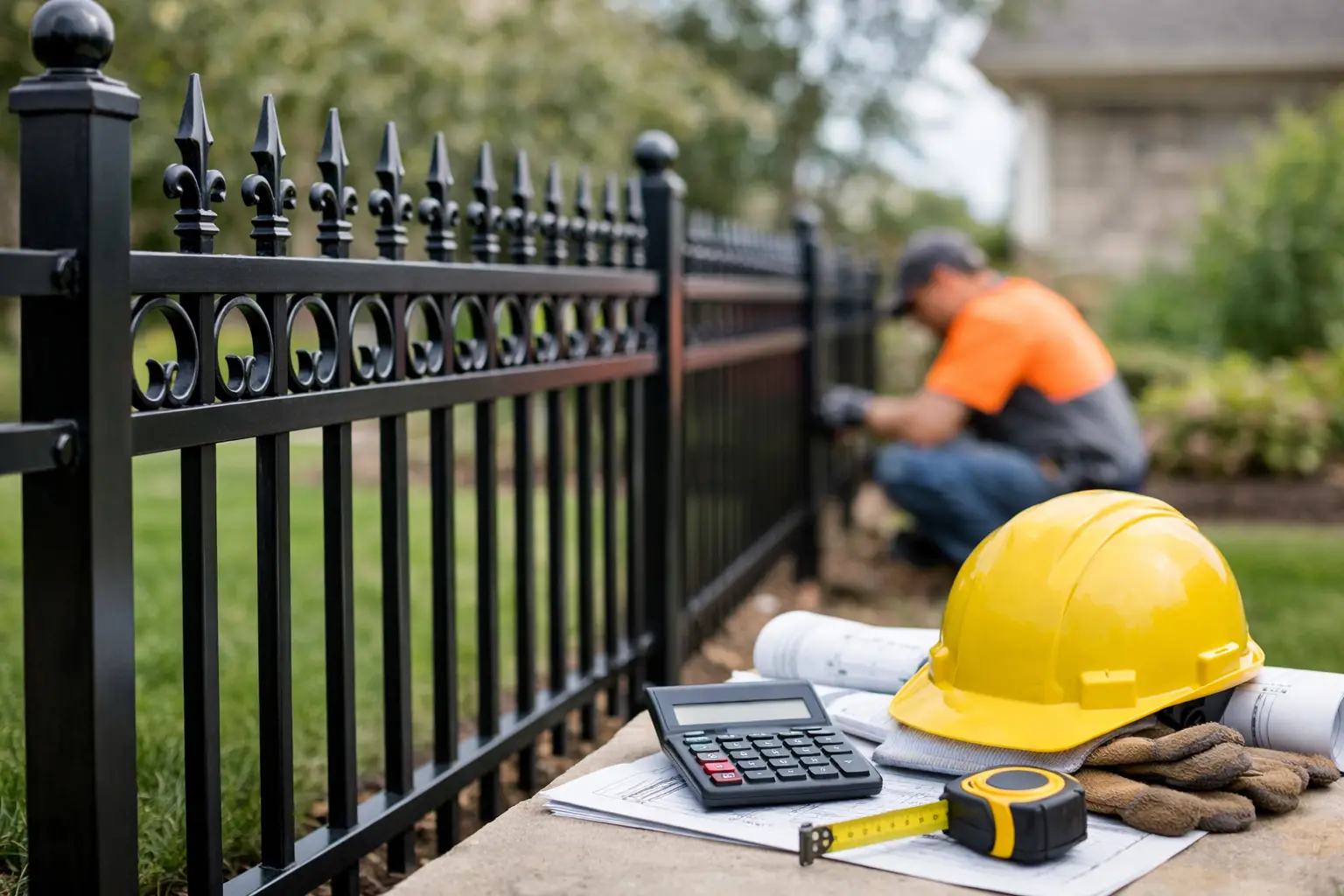
If you are pricing a new perimeter for a home, business, or facility, ornamental fence installation cost usually comes down to one basic question: what level of appearance, strength, and site-specific work does the project require? Two fences can look similar from the road and still land at very different price points once you factor in height, grade, gates, access control, and the condition of the site.
That is why ornamental fencing is best quoted by the project, not by a single flat number pulled from a chart. For some property owners, the goal is a clean, attractive boundary that improves curb appeal. For others, the fence also needs to control access, support larger gates, or meet commercial security expectations. The cost moves with those requirements.
What affects ornamental fence installation cost
Material is the starting point, but it is not the whole story. Ornamental fencing is commonly built from aluminum or steel, and that choice has a direct effect on price, strength, and long-term performance. Aluminum is often lighter and more budget-friendly, while steel is typically chosen when more impact resistance or a heavier commercial feel is needed.
Fence height also matters. A 4-foot ornamental fence around a front yard is a different installation than a 6-foot or taller perimeter around a business, pool area, or industrial site. As height increases, material quantities increase, posts may need to be more substantial, and labor can become more involved.
The design itself changes cost as well. Straightforward picket panels with standard spacing are generally easier to install than custom layouts, heavier styles, tighter spacing, decorative finials, rings, scrollwork, or specialty colors. Decorative details can be worth it if appearance is the priority, but they do add to the project total.
Per-foot pricing only tells part of the story
People often ask for a price per linear foot, and that can be useful as a rough starting point. Still, ornamental fence installation cost is rarely just a matter of multiplying feet by a standard rate. The footage is only one part of the scope.
A simple run on level ground with easy access is usually more efficient than a fence installed across slopes, around landscaping, near retaining walls, or through areas with limited equipment access. Corners, transitions, and elevation changes take additional planning and labor. If the site needs old fencing removed, vegetation cleared, or problem areas addressed before installation, that affects the number too.
For residential customers, this often shows up when a backyard has uneven terrain or when homeowners want the fence to follow existing hardscape features. For commercial properties, the issue may be longer runs, larger gate openings, delivery coordination, or work taking place around active operations.
Gates can change the budget quickly
One of the biggest cost drivers in an ornamental fence project is the gate package. A standard walk gate is one thing. A wide double drive gate is another. Once you move into custom fabrication, cantilever gates, slide gates, or automated entry systems, the price can rise quickly because you are no longer buying only fence panels and posts. You are investing in access infrastructure.
That does not mean gates are where owners should cut corners. A fence system works best when the gate is built for the opening, traffic volume, and intended use. A decorative ornamental fence with an undersized or lightly built gate can turn into a maintenance issue. For residential properties, that might mean sagging or alignment problems over time. For commercial sites, a poorly matched gate can create daily operational headaches.
If the project includes keypad entry, operators, card access, safety devices, or other controlled entry components, those should be treated as part of the overall perimeter solution rather than an add-on afterthought.
Residential vs. commercial ornamental fencing
Homeowners and business owners often shop ornamental fencing for different reasons, and that affects cost. On the residential side, the priorities are usually appearance, pet containment, pool code considerations, and a durable alternative to wood in visible areas. Many homeowners want something that frames the property without blocking the view.
Commercial and industrial buyers are often balancing appearance with security, traffic control, and long-term durability. That can mean taller fence sections, heavier materials, reinforced gates, and a layout that works with delivery traffic, parking, or restricted access zones. A decorative perimeter around an office frontage is one kind of project. A secured site with controlled entry points is another.
In both cases, the right cost is the one tied to the actual use of the fence. Paying less upfront for a system that does not fit the property can be more expensive over time.
Site conditions matter more than most people expect
Ground conditions have a real effect on labor and installation methods. Rocky soil, drainage issues, tree roots, concrete demolition, and steep changes in grade can all increase the amount of work required to set posts correctly and keep the fence line consistent.
This is especially important with ornamental fencing because alignment is part of the finished look. A wood fence can sometimes hide small irregularities more easily. An ornamental fence tends to show layout mistakes, uneven spacing, and poor transitions. Good installation takes planning, accurate measurements, and attention to detail from the first post to the last panel.
Access to the site is another practical issue. If crews and materials can move freely, the job usually goes faster. If installation has to happen in tight areas, behind structures, around existing improvements, or in phases to keep a business operational, labor demands increase.
Repairs, removal, and upgrades
Some projects start with an open site. Others begin with the removal of failing chain link, wood, or outdated ornamental sections. Existing fence removal, disposal, and cleanup can add noticeable cost, particularly if there are concrete footings, embedded posts, or old gate hardware to deal with.
Upgrades can also shift the budget. Property owners may start with a basic perimeter replacement and then decide to include matching handrails, upgraded gate hardware, stronger posts, or more decorative details at the entry. Those are valid improvements, but they should be priced clearly so there are no surprises.
A straightforward estimate should separate the base fence scope from optional items when possible. That helps owners compare value instead of just comparing totals.
Long-term value should be part of the decision
The lowest number is not always the best ornamental fence installation cost if the system is not built for the property. Material quality, finish quality, post depth, hardware selection, and gate construction all influence how the fence performs over time.
This is one reason many owners choose ornamental fencing in the first place. It offers a more finished appearance than basic utility fencing and can hold up well with less routine maintenance than some other materials. For residential properties, that can support curb appeal and property value. For commercial sites, it can present a cleaner image while still helping with perimeter control.
That said, it depends on the environment. In high-traffic areas, around heavy vehicles, or where security is a bigger concern, a lighter ornamental product may not be the right fit. A stronger commercial-grade option may cost more upfront but make better sense over the life of the installation.
How to get a more accurate estimate
If you want a realistic number, the best approach is to define the project clearly before asking for pricing. The more information provided at the start, the more useful the estimate will be. That includes approximate footage, desired height, number and type of gates, slope conditions, and whether the fence is primarily decorative, security-focused, or both.
Photos and a site visit can make a major difference. They help identify grade changes, access limitations, old fence removal needs, and any special conditions that might not show up in a simple phone description. For commercial projects, it also helps to discuss traffic patterns, access control needs, and any operational constraints before finalizing the scope.
A local contractor with broad installation experience can also point out options that affect value. In some cases, a different panel style, post configuration, or gate design can keep the appearance you want while improving performance or controlling cost. That practical guidance matters just as much as the material itself.
For property owners in Fort Smith, Northwest Arkansas, and the River Valley, working with an established contractor like Ace Fence Company Inc. can make that process more straightforward because ornamental projects often overlap with gate work, access control, and other perimeter needs.
The best place to start is with the real use of the fence, not just the price per foot. Once the layout, materials, and access needs are clear, the cost becomes much easier to understand and a lot easier to trust.
Ready to Talk to a Real Fence Professional?
Free on-site estimates from the River Valley's most trusted fence company since 1963.