
How to Prepare Yard for Fencing Right
Learn how to prepare yard for fencing with practical steps for layout, clearing, utilities, grading, and access before installation begins.
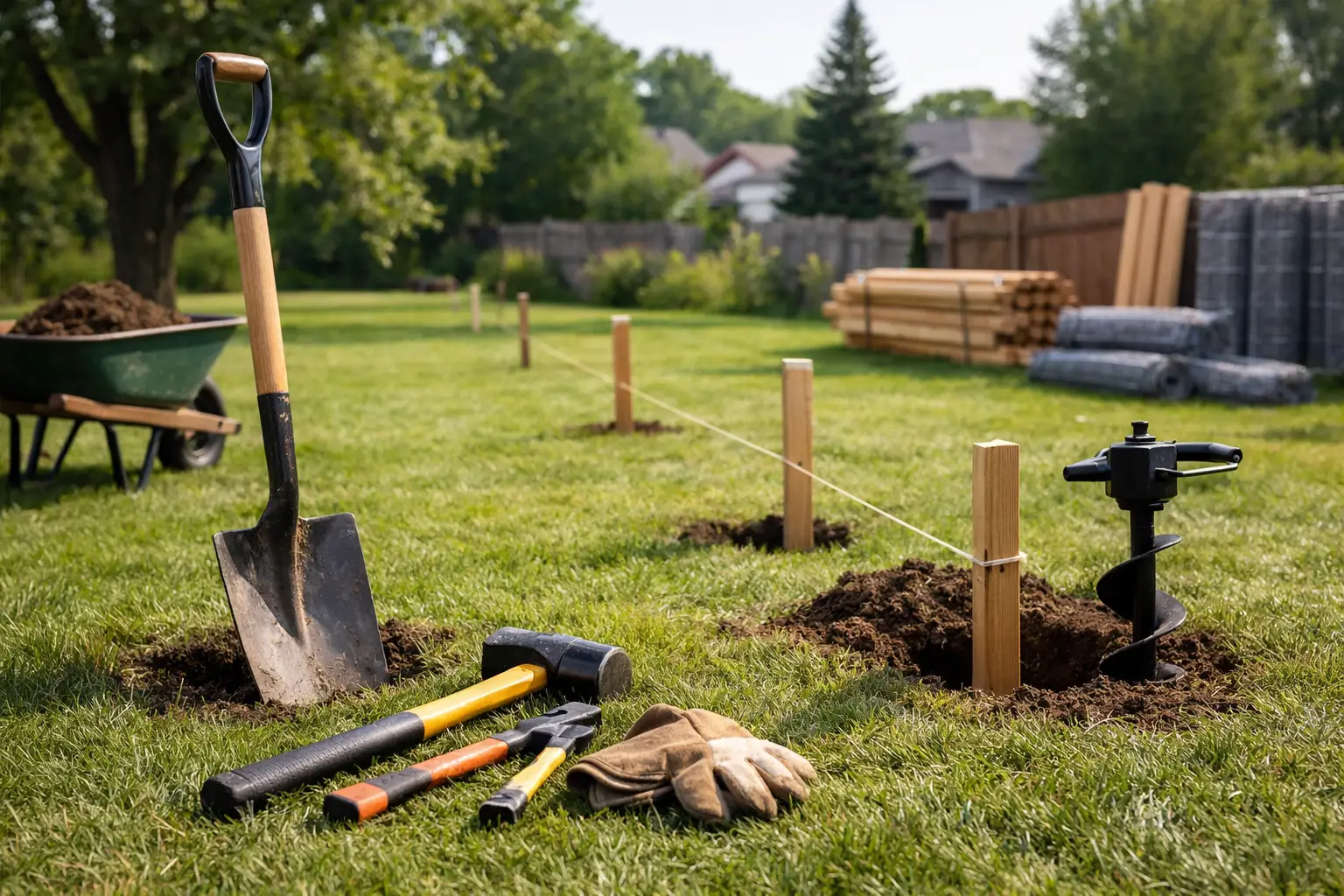
A fence project usually goes smoother or rougher before the first post hole is ever dug. If you are figuring out how to prepare yard for fencing, the biggest goal is simple - make sure the layout is clear, the site is accessible, and there are no surprises underground or along the property line.
That matters whether you are planning a backyard privacy fence, a chain link enclosure, an ornamental front fence, or a commercial perimeter with gates and controlled access. Good preparation helps protect your property, keeps the project on schedule, and gives your installer a cleaner path to a better finished result.
How to prepare yard for fencing before installation
The first step is deciding exactly what the fence needs to do. Some property owners are mainly focused on privacy. Others want security, pet containment, pool protection, appearance, or controlled entry. That purpose affects the fence style, height, gate placement, and how much space needs to be left around structures, driveways, and equipment.
A wood privacy fence, for example, may need tighter attention to grade changes and panel alignment. Chain link often works well across larger open areas, but gate openings and terminal post locations still need to be planned carefully. If the project involves an automated gate, cantilever gate, or another specialty access point, preparation becomes even more important because clearances, pad areas, and approach space all matter.
Before installation day, walk the full fence line and look at it the way a contractor will. Note slopes, trees, sheds, low spots, drainage paths, retaining walls, utility boxes, and any tight access areas. If a crew cannot reach a section easily, that affects labor, equipment use, and sometimes even the fence design.
Confirm the property line first
One of the most common problems on fence projects has nothing to do with materials. It is placement. A fence built a few inches or feet off the intended line can create disputes, rework, or permit issues that cost far more than early planning.
Do not rely on an old assumption about where the line runs. If property corners are marked and reliable, that helps. If they are missing, buried, or unclear, a survey may be the safest move. This is especially true if the fence will run close to a neighbor's driveway, landscaping, structure, or shared boundary.
For commercial sites, lot lines, easements, and utility corridors should be reviewed before final layout. A secure perimeter is only useful if it is also placed legally and practically. It is better to sort that out on paper and in the field before any holes are dug.
Clear the fence path
A clean fence line gives installers room to work and helps avoid delays. In most cases, that means removing anything loose or overgrown along the route. Yard furniture, planters, toys, debris, stacked materials, and decorative items should be moved well away from the work area.
Vegetation is another big factor. Grass is not usually the issue. Thick brush, volunteer trees, overhanging limbs, vines, and dense shrubs are. Fence crews need enough room to mark lines, set posts, stretch material, and build gates. If the line disappears into brush, the project slows down quickly.
There is some judgment involved here. A few low plantings can sometimes stay if they are outside the work zone. Mature trees may also remain, but the fence layout may need to account for roots or trunk flare. If you want to preserve landscaping, mention that early so the installer can plan around it where possible.
Call for utility locating
Any serious discussion of how to prepare yard for fencing has to include underground utilities. This is non-negotiable. Fence posts go into the ground, and digging without utility marking can create safety hazards, service interruptions, and repair costs.
Before work starts, have underground utilities located and marked. That may include electric, gas, water, communications, and other buried lines. Private lines, such as irrigation, site lighting, or owner-installed power runs, may need separate attention because they are not always included in standard utility marking.
If your property has a sprinkler system, invisible dog fence, low-voltage wiring, septic components, or drainage piping, identify those locations clearly. These are common sources of trouble on residential jobs. On commercial and industrial properties, buried service lines and older site modifications can be even harder to spot without records.
Check grade, drainage, and soil conditions
Not every yard is flat, and that affects installation more than many owners expect. Slopes change panel transitions, post spacing, and bottom clearance. Poor drainage can weaken post areas or create washout problems over time. Soft or rocky soil can also affect labor and equipment.
Walk the fence line after rain if you can. Look for standing water, erosion, muddy pockets, or places where runoff cuts across the planned route. If those issues exist, it is better to address them before the fence goes in rather than after water starts collecting against it.
This does not always mean a major grading project. Sometimes it is as simple as minor leveling, clearing a swale, or adjusting the fence line slightly. Other times, especially on larger commercial properties, grade and drainage have to be coordinated more carefully because they affect security, longevity, and gate operation.
Plan access for the crew and equipment
Fence installation is easier when materials and tools can get where they need to go. Think about how the crew will enter the property, where materials can be staged, and whether there is enough room for equipment to move safely.
If access is through a narrow side yard, unlock gates and remove obstacles ahead of time. If the project is behind a house, make sure there is a clear route. For commercial projects, identify delivery areas, active traffic lanes, employee parking concerns, and any restricted zones the crew needs to avoid.
Pets should be secured before work begins. Vehicles, trailers, and equipment should be moved out of the installation area. If there are tenant or employee access concerns, those should be discussed in advance so the work can be phased or scheduled appropriately.
Think through gates before the fence is laid out
Gate placement is often treated like a detail, but it should be part of the earliest planning. A fence can only work as well as the access points built into it. That applies to a simple walk gate in a backyard and to a commercial sliding or cantilever gate at a secure facility.
Ask practical questions. Do you need room for lawn equipment, trailers, service vehicles, or deliveries? Will a gate swing into a slope or into a parked vehicle area? Does an automated system need power, operator pads, safety devices, or clear runback space?
These decisions affect the entire fence layout. A gate that is moved a few feet can sometimes solve a drainage problem, avoid a utility conflict, or create better traffic flow. It is much easier to make those adjustments before the line is set than after installation starts.
Review local rules and neighborhood requirements
Some properties can move straight into scheduling. Others need approvals first. Depending on location and property type, there may be permit requirements, subdivision rules, commercial site standards, pool barrier codes, or height restrictions.
That is one reason experienced local contractors are valuable. In Arkansas, site conditions and project types vary widely from neighborhood homes to industrial yards and multi-tenant commercial properties. The right preparation includes checking what applies before materials are ordered and labor is scheduled.
If you live in an HOA community or manage a property with design standards, gather those requirements early. The same goes for businesses with security plans or access-control needs that must coordinate with other site work.
Final site prep the week of installation
As the install date gets close, keep the site simple and ready. Mow high grass along the fence route so stakes and markings stay visible. Move anything breakable away from the work area. Unlock gates and make sure someone can answer questions if the crew runs into an issue.
If weather has changed the site, take another look. Heavy rain can soften ground and affect access. New construction materials, parked trailers, or landscaping deliveries can block the route unexpectedly. A quick walkthrough before the crew arrives can prevent a lost day.
For larger or more technical projects, preparation may also include confirming electrical plans, concrete areas, gate operator locations, and sequencing with other trades. That is especially true when fencing is part of a broader site improvement or security upgrade.
When property owners ask what helps a fence job go well, the answer is usually not complicated. Clear the line, confirm the boundaries, locate utilities, and think through access and gates before work starts. That kind of preparation gives the installer room to do the job right and helps you get a fence that performs the way it should. If you are planning a project in Fort Smith, Northwest Arkansas, or the River Valley, a local contractor like Ace Fence Company Inc. can help identify site issues early and put together a practical plan before installation begins.
Ready to Talk to a Real Fence Professional?
Free on-site estimates from the River Valley's most trusted fence company since 1963.