
How to Maintain a Wood Fence in Arkansas
Learn how to maintain wood fence through Arkansas heat, rain, and humidity with practical cleaning, repair, sealing, and inspection advice each year.
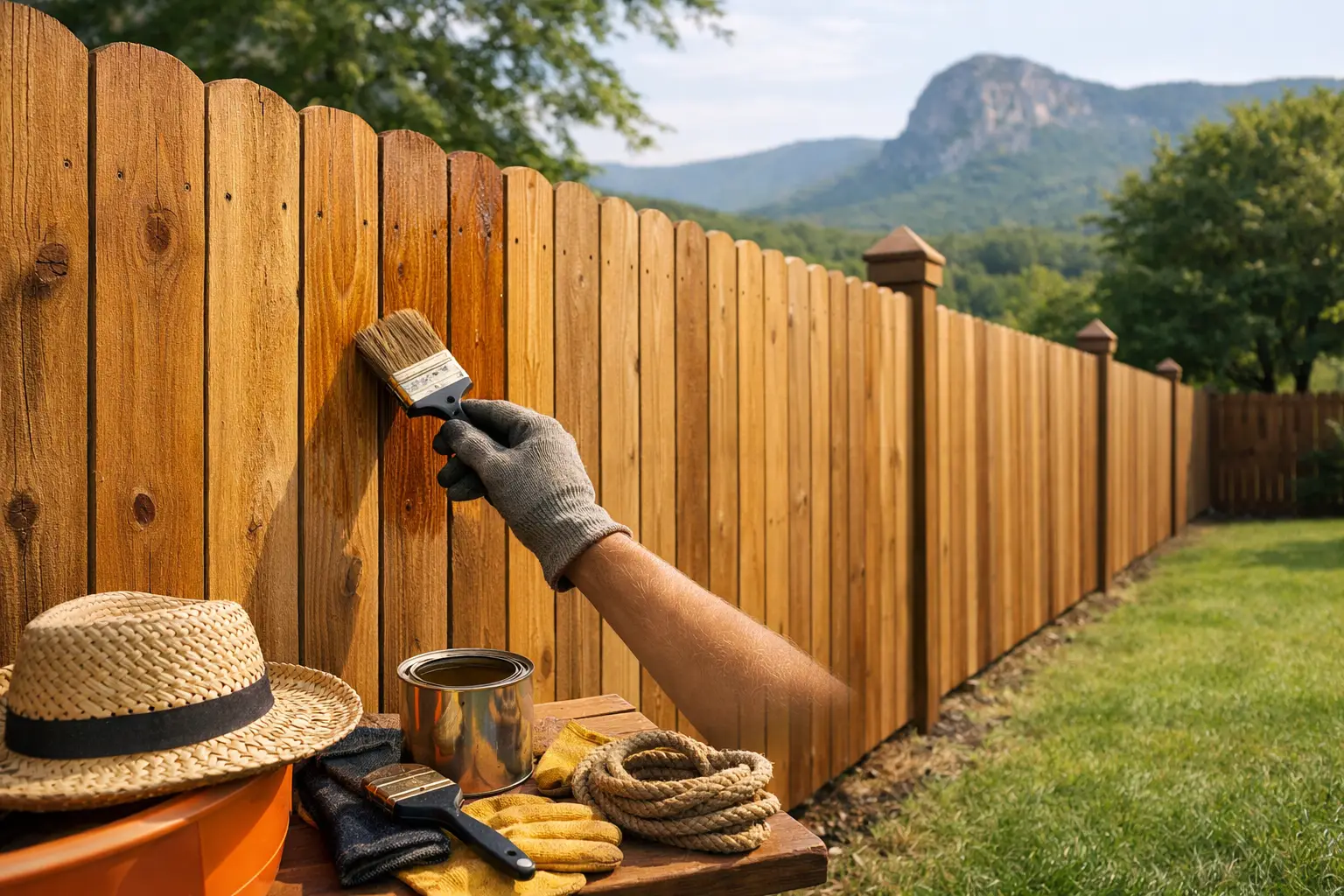
A wood fence can look solid on installation day and start showing trouble a few seasons later if water, soil contact, and small repairs are ignored. If you are searching for how to maintain wood fence, the answer is not one annual chore. It is a practical routine of checking the structure, cleaning the surface, controlling moisture, and protecting the wood before Arkansas weather gets the upper hand.
In Fort Smith, Northwest Arkansas, and throughout the River Valley, fences face humid summers, heavy rain, sun exposure, wind, and occasional freezing conditions. A little maintenance at the right time can extend the useful life of posts, rails, pickets, and gates while keeping the fence looking appropriate for the property.
Start With a Seasonal Fence Inspection
Walk the full fence line at least twice a year, preferably in spring and fall. Do not inspect only from the yard. Look at both sides where possible, especially along property lines, behind landscaping, and near gates. Problems often start where moisture is trapped and cannot be seen from the main viewing area.
Check for leaning posts, loose rails, cracked or split pickets, popped nails, missing fasteners, and sagging gate sections. Press lightly against posts and rails to identify movement. A fence should have some natural wood variation, but it should not shift noticeably at the posts or pull apart at rail connections.
Pay close attention to the bottom of each post and the lower ends of pickets. This is where standing water, soil contact, mulch, and grass clippings create conditions for decay. Look for dark, soft, spongy wood, deep checking, fungal growth, or a screwdriver that pushes into the wood with little resistance. Surface cracks are common as wood expands and contracts, but soft rot is a structural concern.
Keep Moisture and Debris Away From the Wood
Most wood fence damage comes back to moisture. Rain itself is expected, but prolonged wet conditions allow rot, mildew, and warping to take hold. The goal is not to keep a fence dry at all times. The goal is to help it shed water and dry out quickly.
Keep soil and mulch below the bottom edge of the fence. Ideally, pickets should not sit directly in the ground or stay buried under landscaping material. Pull leaves, vines, stacked firewood, and stored materials away from the fence so air can move around it. Dense shrubs can also trap humidity against the boards and make future repairs difficult.
Make sure downspouts do not discharge directly beside fence posts. If a section stays muddy after rain, improve drainage rather than repeatedly treating the wood. In some yards, a simple adjustment to grading or a downspout extension can prevent years of unnecessary deterioration.
Sprinklers deserve the same attention. A sprinkler head that hits the same fence section every day can discolor the wood, encourage mildew, and shorten the life of pickets and posts. Adjust the pattern so irrigation water reaches the lawn or planting bed, not the fence.
Clean the Fence Before Problems Set In
Dirt, pollen, algae, and mildew hold moisture on the surface and make a fence appear older than it is. Cleaning also gives you a better look at the condition of the wood before staining or sealing.
For light dirt, rinse the fence with a standard garden hose and use a soft-bristle brush with a wood-safe cleaner. Work in manageable sections, following the direction of the grain. Mildew may require a cleaner designed for exterior wood. Follow the product instructions carefully and protect nearby plants before applying any cleaning solution.
Pressure washing can be useful, but it is easy to damage a wood fence with too much pressure or by holding the nozzle too close. A strong spray can gouge soft wood, raise the grain, and leave visible lines that show through a stain. If pressure washing is needed, use a low-pressure setting, keep the nozzle moving, and test an inconspicuous area first. For older, weathered, or soft wood, hand cleaning is often the safer choice.
After cleaning, allow the fence to dry fully before applying any coating. Drying time depends on the weather, shade, and wood condition. Applying stain or sealer to damp wood can trap moisture and lead to peeling or uneven absorption.
Stain or Seal on a Schedule That Fits the Fence
A quality exterior stain or water-repellent sealer helps slow water absorption, reduce sun damage, and limit cracking. It does not make wood maintenance-free, but it gives the fence a better chance of handling Arkansas heat and rain.
The right schedule depends on the product, the type of wood, sun exposure, and the condition of the existing finish. A fence in full sun may need attention sooner than one in partial shade, while a heavily shaded fence may develop mildew more quickly. In general, inspect the finish annually and plan to recoat when water stops beading on the surface, color fades significantly, or bare areas begin absorbing moisture.
Semi-transparent stains are a practical option when you want to show the wood grain while adding color and weather protection. Solid stains provide more uniform color and stronger coverage of weathering, but they can require more surface preparation when it is time to recoat. Clear sealers preserve a natural appearance but typically offer less protection from ultraviolet fading than pigmented products.
Before coating the entire fence, check for loose material, dirt, mildew, and rough areas. Replace damaged boards first. A new finish cannot correct rotted wood, loose posts, or a gate that no longer hangs square.
Repair Small Issues Before They Spread
A single loose picket is usually a quick repair. Left alone, it can put more strain on the rail, allow boards beside it to move, and create a larger problem after high winds. Replace split or severely warped pickets rather than trying to force them back into place.
Fasteners matter as much as the boards. Rusted nails and screws can stain wood and eventually lose their holding power. Use exterior-rated, corrosion-resistant fasteners for repairs. If several fasteners are failing along one rail, inspect the rail itself. The issue may be more than a few bad nails.
Posts require a different level of attention. A leaning post may be caused by loose soil, failed concrete, poor drainage, rot below grade, or pressure from a sagging gate. Bracing a post temporarily can help stabilize the fence, but it does not solve hidden decay. When a post is soft, badly cracked, or no longer holding its position, replacement is usually the sounder long-term repair.
Give Gates Extra Attention
Gates receive more movement than any other part of a wood fence. Open and close each gate during your inspection. It should move freely, latch securely, and maintain consistent spacing at the ground and adjacent fence sections.
Sagging often begins with loose hinges, undersized hardware, weakened gate framing, or a shifting hinge post. Tighten hardware where appropriate, but do not assume a sagging gate is only a hinge problem. If the frame is out of square or the supporting post is moving, a simple adjustment may only provide a short-term fix.
Keep the gate path clear of soil buildup, rocks, and vegetation. A gate that drags across the ground puts constant strain on hinges and posts. For drive gates, larger entry gates, or gates tied to access-control equipment, professional inspection can prevent alignment problems from becoming a security or operational issue.
Know When Replacement Makes More Sense Than Repair
Wood fencing can often be repaired section by section, which is one of its advantages. Still, there is a point where repeated patching costs more than rebuilding the affected area correctly. Widespread post rot, multiple failing rails, extensive insect damage, or a fence that leans across several sections may call for replacement rather than another temporary repair.
A contractor can evaluate whether isolated repairs will restore the fence or whether the structure has reached the end of its service life. This is especially useful for long property lines, commercial sites, and fences with gates where alignment and dependable access matter as much as appearance.
For homeowners and property managers who need help evaluating aging wood fencing, Ace Fence Company Inc. can assess repair needs and provide a practical estimate based on the condition of the fence and the demands of the site. Keeping up with the small items now gives you more control over when larger work needs to happen.
Ready to Talk to a Real Fence Professional?
Free on-site estimates from the River Valley's most trusted fence company since 1963.