
How Much Does Vinyl Fence Installation Cost?
Learn how much does vinyl fence installation cost, what affects pricing, and how to plan a vinyl fence project for your home or property.
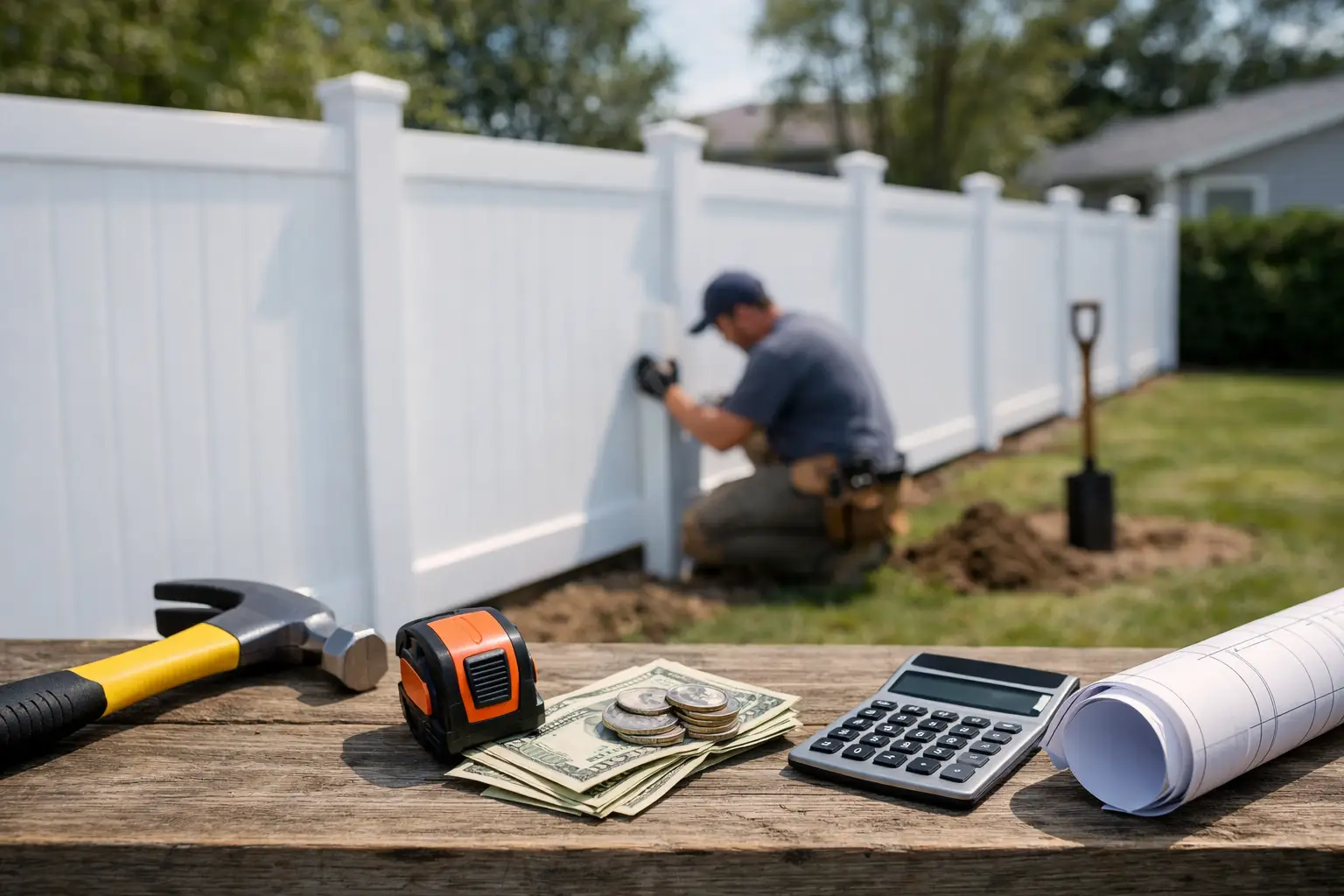
A vinyl fence can look simple from the street, but the price behind it rarely is. If you are asking how much does vinyl fence installation cost, the honest answer is that most projects depend on fence height, style, terrain, gate needs, and how much site prep the job requires.
For many property owners, vinyl is appealing because it gives a clean finish, low maintenance, and long-term durability without the regular staining or painting that wood often needs. That said, the installed cost can vary quite a bit from one yard or site to the next. A short decorative boundary fence is a different job than a full privacy enclosure with multiple gates on a sloped lot.
How much does vinyl fence installation cost on average?
In many residential settings, vinyl fence installation often falls somewhere around $20 to $35 per linear foot installed. Some basic projects may come in lower, while taller privacy fences, premium profiles, or more difficult sites can push the number higher.
That wide range is not a sales tactic. It reflects real differences in material grade, fence layout, ground conditions, and labor. A straight run on level ground with easy access is generally more efficient than a fence line with corners, elevation changes, old fence removal, and utility conflicts.
For a homeowner pricing a typical backyard project, total cost might land in the low thousands for a smaller enclosure and rise significantly for larger properties. Commercial or multi-family jobs can vary even more, especially when gates, access points, or heavier-duty specifications are involved.
What drives vinyl fence installation cost?
The biggest cost factor is usually the type of vinyl fence you choose. A simple picket fence uses less material than a full privacy fence, and a ranch-style layout with open rails is generally priced differently than a solid panel system. The heavier and taller the fence, the more material and labor the installation usually requires.
Height matters quickly. A 4-foot decorative fence and a 6-foot privacy fence are not close equivalents from a pricing standpoint. Taller fences use larger posts, larger panels, and more reinforcement. In some cases, local code or neighborhood requirements may also affect what can be built and how.
Fence length also plays a major role, but not always in the way people expect. A larger project means more total cost, of course, yet the per-foot price may improve slightly when the layout is straightforward. Smaller jobs can sometimes carry a higher per-foot cost because mobilization, layout, and gate work still take time even when the footage is limited.
Then there is the site itself. Rocky soil, tree roots, steep grade changes, drainage issues, or limited equipment access can all add labor. A clean, open yard is easier to work in than a crowded perimeter with landscaping, hardscaping, and existing structures in the way.
Vinyl fence styles and how they affect price
Not all vinyl fencing is priced the same, and style selection has a direct impact on your estimate.
Privacy fencing is usually one of the more expensive residential options because it uses full panels and more material overall. It is popular for backyards, pool areas, and homes where screening matters, but it also demands more from the installation. Wind exposure, post depth, and structural stability become more important with solid-panel designs.
Picket fencing is often more budget-friendly than privacy fencing, depending on height and profile. It is commonly chosen for front yards, decorative boundaries, and homes where curb appeal matters more than full screening. The finished look is clean and classic, but it does not provide the same level of seclusion.
Ranch rail or post-and-rail vinyl fencing can be economical over longer runs, especially on larger properties. It works well where the goal is to define boundaries rather than create privacy. At the same time, if the layout includes a lot of corners, gates, or terrain changes, the final price can still climb.
Lattice accents, textured finishes, upgraded colors, and specialty trim details can all increase the installed cost. These upgrades may be worth it if appearance is a priority, but they should be treated as real budget items, not minor add-ons.
Labor, removal, and site prep
A fence estimate is not just about panels and posts. Labor is a major part of the total, and it changes based on how much work it takes to build the fence correctly.
If an old fence has to come out first, that removal and disposal work adds cost. The material being removed matters too. Pulling out worn wood sections is one thing. Removing old steel posts set deep in concrete can be a tougher job.
Site prep is another area where estimates can shift. Installers may need to clear vegetation, mark utility lines, adjust layout around obstacles, or account for uneven ground. In some yards, a fence can be laid out and installed with few complications. In others, the prep work becomes a meaningful part of the project.
Gates are often underestimated during budgeting. A single walk gate is not the same as a double drive gate, and hardware quality affects long-term performance. If your project includes multiple access points, gate pricing can noticeably influence the total.
Why one quote can be higher than another
When owners compare estimates, they often focus on the bottom-line number first. That makes sense, but it does not always show what is included.
One contractor may be quoting a lighter-duty product, shallower post installation, or fewer finishing details. Another may be including removal, haul-off, better gate hardware, thicker materials, or a more durable installation approach for local conditions. Those differences matter, especially on fences that need to hold up through years of weather and daily use.
This is where experience counts. A local contractor with a long track record is more likely to price the real job instead of giving a low number that changes once work begins. In Arkansas, soil conditions, drainage patterns, and property layouts can vary enough that a site-specific estimate is the only reliable way to price a vinyl fence properly.
Residential and commercial pricing differences
Homeowners usually think of vinyl fencing in terms of privacy or curb appeal, but commercial and multi-use properties may use it differently. A business, apartment property, school, or community facility may need vinyl fencing for screening, separation, or public-facing areas where appearance and low maintenance both matter.
Commercial jobs can benefit from larger project scale, but they may also involve more complexity. Longer runs, heavier gate usage, code requirements, and coordination with other site features can change the budget quickly. If the project ties into controlled access or specialty gate systems, the fence itself may be only one part of the overall perimeter cost.
That is one reason many owners prefer working with an established contractor that can handle more than basic fence runs. Ace Fence Company Inc. works with residential, commercial, and specialty perimeter projects, which helps when a straightforward fence job turns into something that also needs gates, access planning, or custom solutions.
How to budget for a vinyl fence without guessing
The best starting point is to think in terms of priorities, not just footage. Ask yourself what the fence needs to do. Is the goal privacy, decoration, pet containment, pool safety, security, or a cleaner property line? Your answer will shape the style, height, and gate layout, which are the biggest cost drivers.
It also helps to know what parts of the property may complicate the installation. Slopes, tight side yards, old fencing, utility boxes, and drainage areas should all be discussed early. Surprises on the jobsite are one of the fastest ways a budget gets off track.
If you are comparing materials, remember the long-term side of the equation. Vinyl often costs more upfront than some lower-end fence options, but many owners choose it because maintenance is low and the appearance stays consistent. That does not make it the right answer for every property, but it does make the price easier to justify when low upkeep is part of the goal.
Getting a quote that actually helps
If you want a useful answer to how much does vinyl fence installation cost, the best move is to request an on-site estimate instead of relying on a generic online number. A real quote should account for footage, style, gates, terrain, removal, and any property-specific conditions that affect installation.
A good fence estimate should also leave room for practical discussion. In some cases, a different fence style can bring the budget down without sacrificing performance. In others, spending more on stronger components or better gate hardware is the smarter long-term choice.
The right vinyl fence is not just the one with the lowest initial price. It is the one that fits the property, does the job it needs to do, and is installed well enough to hold up over time. If you are planning a project, a clear site visit and a straightforward estimate will tell you more than any national average ever will.
Ready to Talk to a Real Fence Professional?
Free on-site estimates from the River Valley's most trusted fence company since 1963.