How Long Fences Last by Material and Maintenance
Learn how long fences last in Arkansas, what shortens their service life, and how wood, vinyl, chain link, composite, and ornamental fencing compare today.
A fence can look solid from the street while posts are beginning to rot below grade, fasteners are loosening, or a gate is slowly pulling out of alignment. When homeowners and property managers ask how long fences last, the honest answer depends on the material, installation quality, ground conditions, maintenance, and how the fence is used.
In Northwest Arkansas and the River Valley, a fence must handle hot summers, heavy rain, humidity, wind, and occasional severe weather. A properly selected and professionally installed fence can provide decades of service. A poorly installed fence, even one made from a good material, may need major repairs much sooner.
How Long Fences Last by Material
Material sets the general life expectancy, but it is only one part of the decision. Privacy needs, security requirements, appearance, gate traffic, and the condition of the site all matter when choosing a fence.
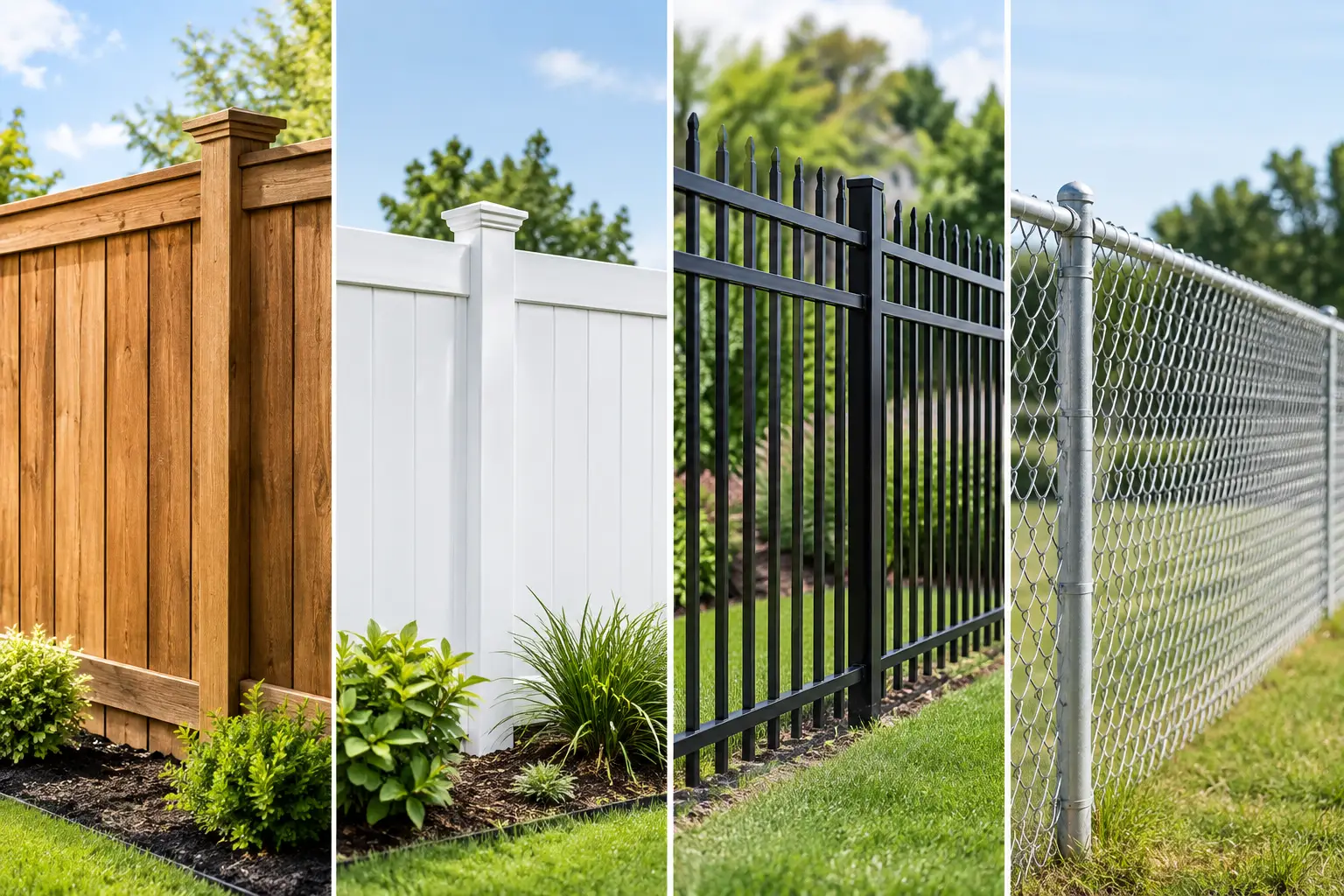
Wood fencing: about 15 to 25 years
A well-built wood fence often lasts 15 to 25 years, and sometimes longer with consistent care. Treated pine is a common, practical choice for residential privacy fencing. Cedar can offer good natural resistance to insects and decay, but its performance still depends on construction and upkeep.
The posts are usually the first concern. Wood that remains wet at ground level is vulnerable to decay, especially where drainage is poor. Rails and pickets may also warp, split, fade, or loosen over time. Staining or sealing the fence on an appropriate schedule can slow moisture damage and preserve its appearance, but it does not correct failing posts or weak framing.
Wood remains a strong option when privacy, a traditional look, and reasonable upfront cost are priorities. It also allows repairs to individual pickets or sections without replacing the entire fence.
Chain link fencing: about 20 to 30 years
Galvanized chain link fencing commonly lasts 20 to 30 years. It is one of the most durable and practical choices for yards, commercial sites, industrial property, athletic areas, and security applications. Because it does not hold moisture like wood, it avoids rot and requires relatively little routine care.
The zinc coating on galvanized fabric and framework protects the steel from corrosion. Vinyl-coated chain link can add color and another layer of protection, although damaged coating should be addressed before exposed steel begins to rust. In heavily shaded, damp, or poorly drained areas, corrosion may develop sooner near the base of posts or around fittings.
For a chain link system with gates, the hardware matters as much as the fabric. Hinges, latches, rollers, operators, and access-control components need periodic adjustment and service to keep the entrance working properly.
Vinyl fencing: about 20 to 30 years
Quality vinyl fencing can last 20 to 30 years with minimal maintenance. It will not rot, rust, or need staining, which makes it appealing for homeowners who want a clean, consistent appearance without regular refinishing.
Vinyl does have trade-offs. It can become brittle with age or under extreme impact, and lower-quality products may fade or discolor more quickly under Arkansas sun. A vinyl fence also relies on proper post setting and correctly sized internal reinforcement where needed, particularly around gates. If a gate post shifts, the issue is structural, not cosmetic.
Routine care is usually limited to washing away dirt, mildew, and lawn debris. Avoid harsh abrasives that can dull the surface.
Composite fencing: about 25 to 30 years or more
Composite fencing is designed to provide a wood-like appearance with greater resistance to moisture, insects, and decay. Many composite systems can last 25 to 30 years or longer, depending on product quality and installation conditions.
It is a good fit for property owners who want privacy fencing with less maintenance than wood. Composite typically costs more upfront, and its heavier components require careful installation and suitable support. Color options and product profiles vary, so it is worth comparing the look of the system alongside its long-term performance.
Ornamental steel or aluminum fencing: about 30 years or more
Ornamental fencing can last 30 years or more when it is properly coated and installed. Steel ornamental fencing provides strength, a formal appearance, and dependable perimeter definition for homes, businesses, multifamily properties, schools, and facilities with higher security needs. Aluminum ornamental fencing is lighter and naturally resistant to corrosion, making it useful where rust resistance is a top concern.
Steel needs a durable protective finish. Chips, scratches, or damaged weld areas should be touched up promptly to prevent rust from spreading. Aluminum will not rust like steel, but it can still be bent by impact and requires solid post installation. Both materials perform best when gates are built for their actual use, not just their appearance.
What Shortens a Fence's Service Life?
Most early fence failures come back to water, movement, impact, or neglected hardware. A fence is a system, not just a row of panels. Posts, footings, rails, fasteners, fabric, gates, and soil conditions all work together.
Poor drainage is one of the most common problems. Standing water around a post can accelerate wood decay, contribute to corrosion, and soften the soil that supports the fence. Sloped properties and low spots may need grading considerations before installation. In some cases, the right fence design or post placement matters more than selecting a more expensive material.
Wind is another factor. Solid privacy fencing catches more wind than open chain link or ornamental fencing. A tall wood or vinyl privacy fence needs properly spaced posts, adequate footing depth, and strong framing. After major storms, check for leaning posts, loose panels, damaged pickets, and gates that no longer close cleanly.
Gates deserve special attention because they carry concentrated weight and repeated movement. A pedestrian gate that is used several times a day and a commercial sliding gate serving vehicle traffic have very different demands. Undersized posts, inadequate hinges, or an operator that is not matched to the gate can create recurring problems long before the rest of the fence wears out.
Installation Makes a Long-Term Difference
The expected lifespan printed for a fencing material assumes competent installation. Post depth, concrete use where appropriate, layout, tensioning, bracing, and gate construction affect how the fence performs year after year.
For example, chain link fabric needs correct tension and terminal bracing to remain secure. Wood fencing needs rails and pickets installed with room for normal seasonal movement. Ornamental and vinyl systems need level, aligned posts so panels fit correctly. On commercial and industrial projects, the fence design may also need to account for access control, security requirements, clear zones, and the movement of trucks or equipment.
A contractor should evaluate more than the fence line. Existing utilities, drainage, grades, tree roots, pavement, retaining walls, and gate locations can change the proper approach. Planning these details before installation helps avoid repairs that cost more than doing the work correctly at the start.
Practical Maintenance That Extends Fence Life
Most fences do not need constant attention, but an inspection once or twice a year can catch small issues before they become major repairs. Walk the line after severe weather and look closely at corners, end posts, and gates.
For wood, replace damaged pickets, tighten loose fasteners, and keep vegetation from holding moisture against the fence. Apply stain or sealant when the wood is ready for it. For metal fencing, remove debris around posts, inspect for coating damage, and address early rust. For vinyl and composite, clean buildup and inspect posts and gate hardware for movement.
Commercial property owners should include gates in their maintenance plan. Lubricate moving components as specified, keep tracks and rollers clear, test safety devices, and have automated operators inspected when operation becomes noisy, slow, or inconsistent. Access-control equipment works best when the gate structure itself is stable and properly maintained.
Choosing a Fence for the Years Ahead
The longest-lasting fence is not always the right fence for every property. A homeowner may prefer wood for privacy and warmth, while a business may need chain link, ornamental steel, or a specialty gate system that prioritizes controlled access and perimeter security. Budget matters, but so does the cost of repairs, maintenance, and replacement over the life of the fence.
Before choosing, consider what the fence must do every day. Does it need to keep pets in, create backyard privacy, protect equipment, direct visitor access, or secure a large site after hours? The answer should shape the material, height, gate design, and installation method.
A well-planned fence should give you dependable service without becoming a recurring problem. If you are replacing an aging fence or planning a new perimeter, a site evaluation and a clear estimate can help match the system to the property, the workload, and the years ahead.
Ready to Talk to a Real Fence Professional?
Free on-site estimates from the River Valley's most trusted fence company since 1963.