
How Long Does Fence Installation Take for Most Projects?
Wondering how long does fence installation take? Learn what affects scheduling, from permits and materials to terrain, gates, and weather in Arkansas.
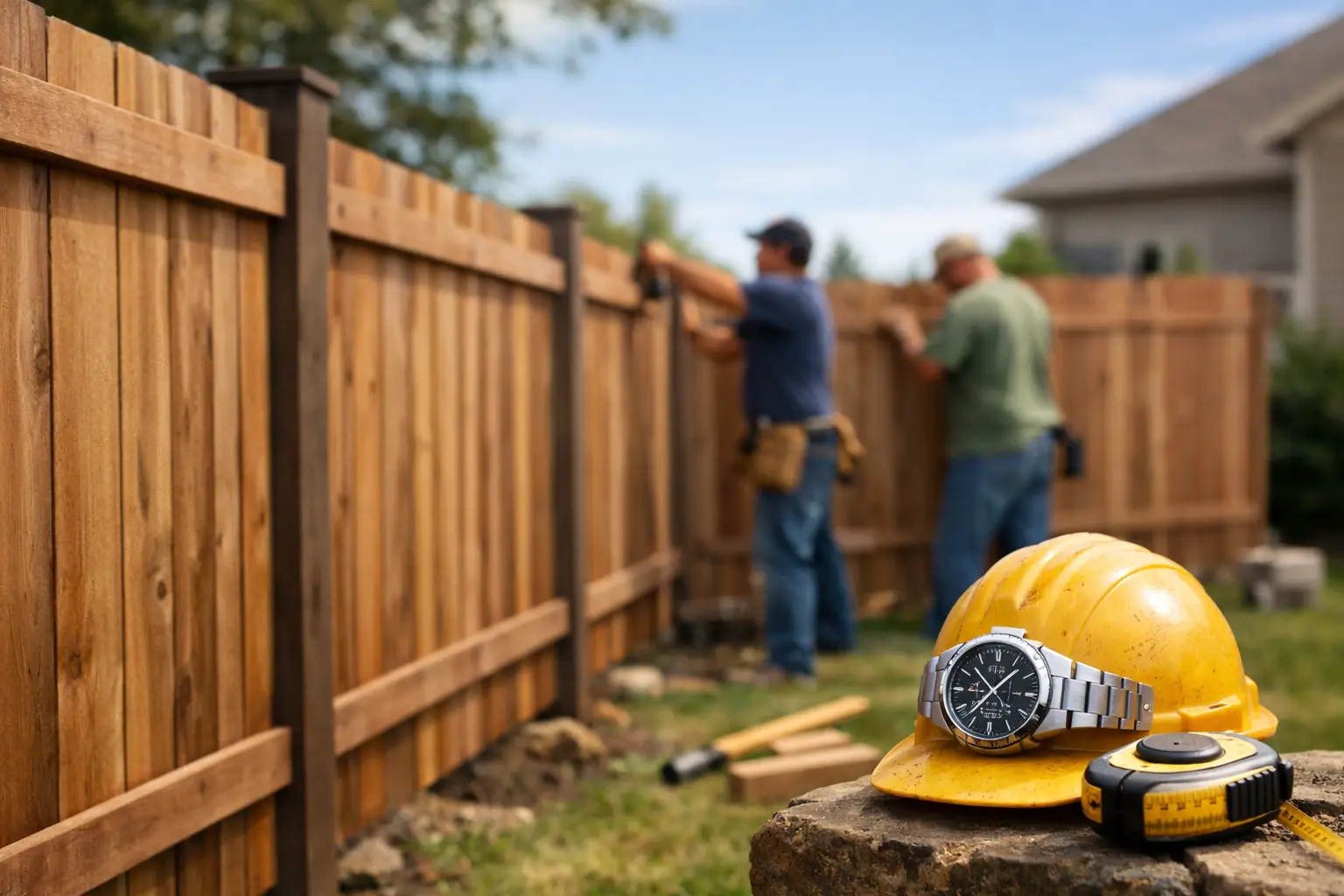
A homeowner may see a fence crew complete a backyard in a day or two, while a business may need several weeks to plan a secure perimeter with controlled entry. So, how long does fence installation take? For many residential projects, the on-site installation takes one to three days once materials, utility marking, and permits are ready. The full process, from estimate to finished fence, can take anywhere from a few days to several weeks depending on the property and fence system.
The most useful way to plan is to separate the calendar time before construction from the time the crew is physically working on-site. A dependable contractor will help identify both before the project begins, rather than promising a date without accounting for the details.
How Long Does Fence Installation Take From Start to Finish?
A straightforward residential fence on a level, accessible lot can often move from approved estimate to completion in two to four weeks. That range allows time to confirm the layout, order or stage materials, arrange utility locates, and schedule the crew. If materials are in stock, no permit is required, and weather cooperates, the process may move faster.
Commercial and specialty fence projects usually require a longer planning window. Chain link security fencing, ornamental fencing around a facility, custom fabricated gates, access-control equipment, and cantilever gate systems all involve more coordination than a standard backyard enclosure. Site drawings, gate specifications, electrical work, concrete requirements, and owner approvals can extend the lead time even when the installation itself is efficient.
Once work begins, typical on-site installation timelines look like this:
- A small residential wood, vinyl, chain link, or ornamental fence may take one to two days.
- A larger residential property, especially one with multiple gates or uneven ground, often takes two to four days.
- A commercial perimeter fence may take several days to two weeks, based on footage, clearing, access, and security requirements.
- A complex project with automated gates, access controls, handrails, water gates, or specialized site conditions can take several weeks and may be completed in phases.
These are planning ranges, not guarantees. The right schedule depends on what is below ground, above ground, and included in the final scope.
What Affects Fence Installation Time?
Fence length and layout
Total linear footage matters, but the layout matters just as much. A 200-foot straight run is quicker to build than a shorter fence with several corners, elevation changes, narrow side yards, and multiple gate openings. Every corner post, end post, and gate post needs careful placement and proper concrete support.
Curved property lines and irregular lot shapes also add measuring and layout time. For commercial sites, the fence may need to follow drainage areas, building setbacks, loading zones, or utility corridors. Careful layout at the beginning prevents costly corrections later.
Fence material and design
Material selection changes both installation methods and production time. Chain link is often one of the faster systems to install over open ground, particularly for long commercial runs. Wood fencing requires setting posts, attaching rails, and installing individual pickets or prebuilt panels. Vinyl and composite systems need precise post spacing so panels fit correctly and stay aligned.
Ornamental fencing requires accurate layout and consistent elevation to keep the finished line clean. It is a durable choice for properties that need security and appearance, but it should not be rushed. A quality installation is measured, leveled, and built to handle years of use.
Gates and access-control equipment
A standard walk gate adds modest time. Larger driveway gates, double gates, sliding gates, cantilever gates, pivot lift gates, and automated operators require more planning and installation work. Gate posts may need deeper footings, heavier steel supports, or engineered foundations.
Access-control systems can also involve keypads, card readers, telephone entry systems, safety loops, photo eyes, power supply, and coordination with electricians or low-voltage contractors. On a commercial or industrial site, these components are often the reason a project is scheduled in stages. The fence can be installed first, followed by gate fabrication, operator setup, and final testing.
Ground conditions and site access
Rock, hard clay, buried debris, tree roots, old concrete, and existing fence footings can slow post-hole work. Northwest Arkansas and the River Valley have varied terrain, and a site that looks simple from the street can present challenges once excavation begins.
Access is another practical consideration. Crews need room to unload materials, operate equipment, and move along the fence line safely. A tight residential side yard may require more hand work. On an active commercial property, the crew may need to work around customer traffic, deliveries, tenants, or operating hours.
Removal of an existing fence
Tearing out an old fence is not always a quick first step. Posts set in substantial concrete, heavy brush along the fence line, damaged panels, and disposal requirements all affect the schedule. If an existing fence is holding in pets, protecting a pool area, or securing a business, the replacement sequence should be planned carefully so the property is not left open overnight.
In some cases, a contractor can build the new fence beside the old one and remove the old material afterward. That can preserve security during construction, though it requires sufficient room and may add labor.
Permits, property lines, and utility locates
Permits are handled differently by each city, county, neighborhood association, and commercial development. Some projects need only a basic review, while others require a site plan, engineered gate details, or specific setbacks. A permit can be a short step or a major part of the timeline, so it should be addressed early.
Property-line questions can cause even greater delays if they are not resolved before layout. A fence contractor can help explain the proposed line, but a survey is the best way to confirm boundaries when stakes are missing or neighboring owners disagree. Installing a fence in the wrong place costs more than taking time to verify it.
Utility locates are also essential. Crews should not begin digging until underground public utilities have been marked and the site has been reviewed for private lines such as irrigation, landscape lighting, septic components, or internet cables.
Weather and concrete curing
Rain can postpone digging, grading, and access to soft ground. Lightning, high winds, extreme heat, and frozen soil can affect both safety and production. Weather delays are frustrating, but forcing work in poor conditions can create a weaker result or damage a finished yard.
Posts set in concrete also need adequate cure time before gates are hung or high-tension fence components are loaded. A crew may set posts one day and return to complete sections or gates after the concrete has gained strength. That is proper construction, not lost time.
How to Keep Your Fence Project on Schedule
The best way to shorten delays is to make key decisions before the installation date. Choose the fence material, height, gate locations, and color or finish early. If the project needs an automatic gate, decide how entry will be controlled and where power will come from before the fence is underway.
Clear personal items, movable landscaping, and vehicles away from the planned work area. Let the contractor know about sprinklers, invisible pet fences, private utility lines, septic systems, or any access restrictions. For business properties, identify the contact person who can answer site questions and approve field changes quickly.
It also helps to discuss the purpose of the fence, not just the footage. Privacy, pet containment, pool safety, curb appeal, inventory protection, and controlled vehicle access call for different materials and construction details. A fence that fits the job from the start is less likely to require changes after installation begins.
Planning a Realistic Installation Window
For a typical home fence, allow several weeks from the first estimate to the finished project, even though the crew may only be on-site for a few days. For a commercial perimeter or specialty gate system, allow additional time for design, fabrication, approvals, and coordination. That planning window protects the quality of the finished work and gives everyone a clearer expectation of when the property will be secure.
Ace Fence Company Inc. has worked with homeowners, businesses, and property managers in the Fort Smith area, Northwest Arkansas, and the River Valley since 1963. A site-specific estimate is the clearest way to determine the real timeline for your fence, gate, or access-control project. Bring the property details, intended use, and any deadline to the first conversation so the work can be planned around what matters most.
Ready to Talk to a Real Fence Professional?
Free on-site estimates from the River Valley's most trusted fence company since 1963.