
Your Fence Installation Timeline, Step by Step
Understand your fence installation timeline, from estimate and permits to final gates, so you can plan your Arkansas property project with confidence.
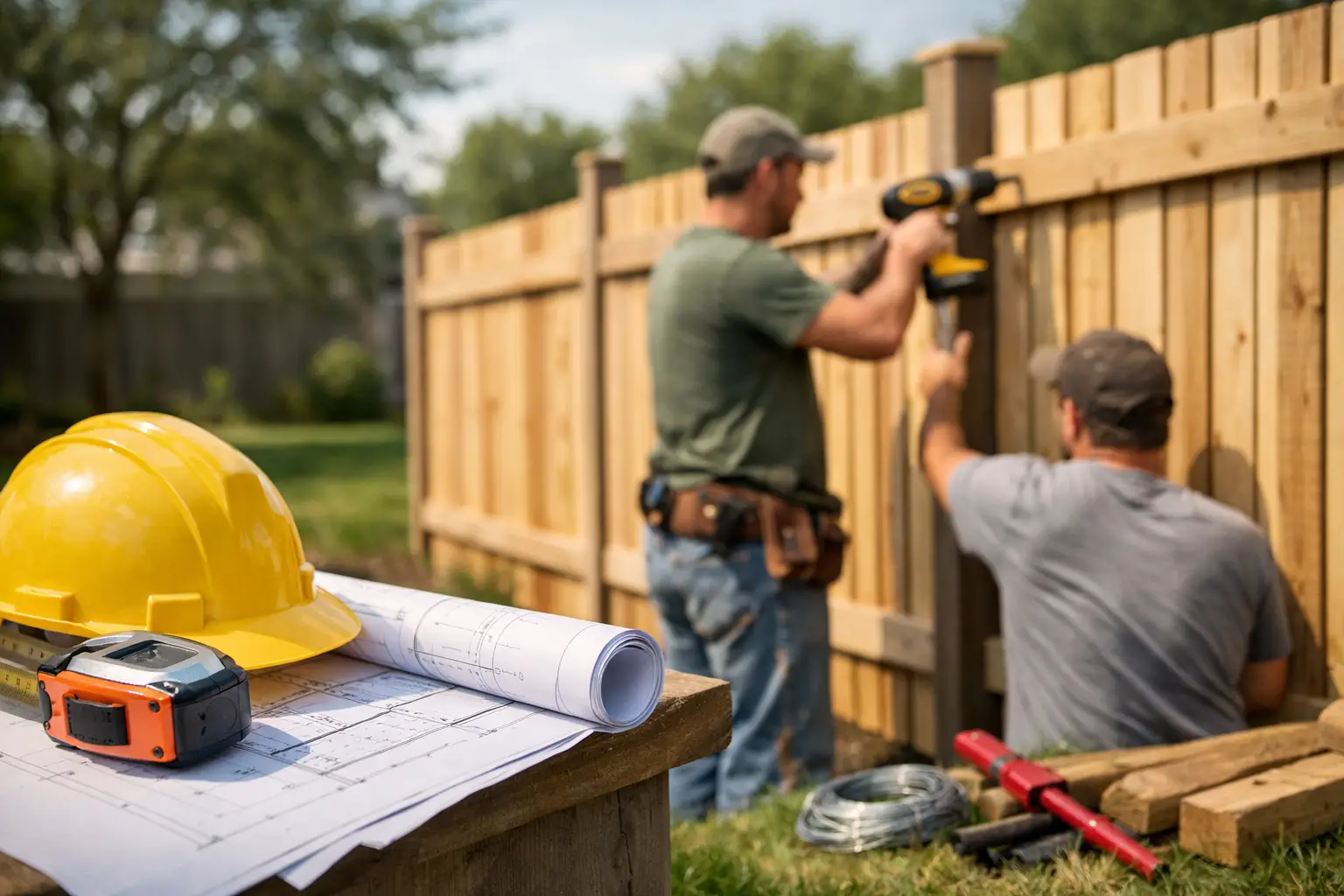
A new fence rarely begins the day an installation crew arrives. The real fence installation timeline starts with measuring the property, confirming the fence type, checking site conditions, and making sure the planned work fits local requirements. For a simple backyard enclosure, the process may move quickly. For a commercial perimeter with automated gates, access controls, or custom fabrication, planning takes longer for good reason.
Knowing what happens before, during, and after installation helps homeowners, property managers, and business owners set realistic expectations. It also prevents a common problem: scheduling around a finish date that depends on permits, material availability, weather, or site preparation that has not yet been addressed.
Fence Installation Timeline: The Main Phases
Most projects move through four practical phases: consultation and estimate, approvals and material ordering, field installation, and final gate or access-control work. Some phases overlap, but the project cannot move ahead cleanly until the decisions that affect layout, materials, and access have been made.
A straightforward residential chain link, wood, vinyl, or composite fence may be installed within a few days once materials are available and the site is ready. A larger commercial job can take several weeks or longer, especially when it includes ornamental fencing, cantilever gates, sliding gates, handrails, water gates, operators, or controlled-entry equipment.
1. Site Visit, Measurements, and Estimate
The first step is an on-site conversation about what the fence needs to accomplish. A homeowner may be focused on privacy, pets, children, security, or curb appeal. A business may need to secure equipment, control vehicle access, protect a work site, or separate public and restricted areas.
During the site visit, the contractor measures the proposed fence line and looks for conditions that can affect labor or materials. Grade changes, drainage paths, mature trees, rock, existing fencing, retaining walls, utility equipment, and tight access points all matter. The team also discusses gate locations, gate swing direction, required clearances, and whether vehicles or equipment need to pass through.
For many standard projects, an estimate can be prepared within a few business days after the site visit. More involved work may take longer because it requires engineered details, custom gate sizing, specialty materials, or coordination around access-control equipment. Taking time here is worthwhile. A clear scope gives the installer and property owner the same understanding of where the fence starts, stops, steps, slopes, and opens.
2. Property Review, Permits, and Utility Locates
Before materials are ordered, property owners should verify boundary lines and any restrictions that apply to the site. Fence installers can build to an agreed-upon layout, but they do not establish legal property lines. If a corner marker is missing, a survey may be the right next step before posts are set.
Homeowners may also need approval from a homeowners association or neighborhood architectural committee. Cities and counties can have rules for fence height, placement, visibility near driveways or intersections, and gate locations. Commercial properties may face additional requirements related to fire access, accessibility, drainage, security plans, or building permits.
This phase is one of the biggest variables in a fence installation timeline. An uncomplicated project with no permit or association review may move ahead right away. A project requiring formal approval can take anywhere from several days to several weeks, depending on the reviewing agency or association.
Underground utility lines must be located before digging begins. This should be scheduled early, not treated as a last-minute detail. Markings may reveal a line directly along the preferred fence route, requiring a small adjustment to the layout or a different installation method. Private lines, such as irrigation, landscape lighting, or customer-owned utilities, may not be included in standard utility locating and should be identified by the property owner.
3. Material Ordering and Fabrication
Material lead time depends on the fence system selected. Standard chain link components and common wood materials are often available sooner than specialty colors, decorative ornamental panels, composite fencing, or custom-sized gates. Availability can also change with seasonal demand and manufacturer schedules.
Custom gates deserve special attention. A driveway gate is more than an opening in the fence. It must be sized for the vehicles using it, supported correctly, and designed around the site grade. Sliding, cantilever, and pivot lift gates may require fabrication time before installation can begin. If an operator, keypad, card reader, telephone entry system, safety loops, or other access-control component is included, those parts must be selected and coordinated as part of the system.
For a typical residential project using readily available materials, ordering may add one to three weeks. Specialty and commercial systems may require several weeks of lead time. A dependable contractor will give a realistic range rather than promise a date before material availability and approvals are confirmed.
What Happens During Fence Installation
Once the project is scheduled, installation begins with layout. Crews mark the fence line, confirm corner and gate locations, and make final adjustments for the actual ground conditions. This is the point when a visible layout can catch a concern that was not obvious from a drawing, such as a gate that conflicts with a parked vehicle or a fence line that needs to avoid a drain outlet.
Post holes are then dug, posts are set, and concrete is placed where the fence system and soil conditions call for it. Depending on the fence type, weather, and site conditions, crews may allow posts time to set before completing rails, panels, fabric, pickets, or other components. This is not wasted time. Properly set posts are what keep a fence straight and secure through changing weather and regular use.
A modest backyard fence may take one to three working days to install after the crew begins. Terrain, demolition of an old fence, rock, heavy root systems, and the number of gates can extend that schedule. A long commercial perimeter may take multiple crews and several weeks, particularly when work must be staged around tenant operations, deliveries, traffic, or safety requirements.
Weather and Ground Conditions Matter
Northwest Arkansas and the River Valley can see heavy rain, wet ground, heat, freezing temperatures, and changing site conditions over the course of a season. Rain does not always stop fence work, but saturated soil can make digging, concrete work, equipment access, and final grading more difficult. Severe weather and unsafe ground conditions should delay work rather than lead to a rushed installation.
Rock is another factor that can change the pace of the job. It is common in parts of the region, and it may require additional equipment or labor to reach the required depth for posts. A site visit helps identify likely challenges, but subsurface conditions are not always visible until digging begins.
Gates, Operators, and Final Adjustments
The fence itself may be complete before the entire project is finished. Gates need to be hung, aligned, latched, and tested. For automated systems, the operator must be mounted and adjusted, safety devices installed, electrical work coordinated as needed, and controls tested under normal operating conditions.
Commercial access systems often require another layer of coordination. The gate operator may need to work with existing credentials, a keypad, an intercom, a camera system, or a managed access platform. A properly operating gate should open and close reliably, recognize safety devices, and allow the property owner or manager to understand how to use manual release features if power is interrupted.
Final walkthroughs should cover the fence line, gates, latches, hardware, and any access-control equipment included in the scope. This is also the right time to ask practical maintenance questions. Wood fences benefit from periodic inspection and appropriate sealing or staining. Chain link and ornamental systems should be checked for loose hardware or impact damage. Gate hinges, rollers, and operators require routine attention because they carry the most moving load in the system.
How to Keep Your Project on Schedule
Property owners can prevent avoidable delays by making key decisions early. Confirm the desired fence material, height, color, and gate locations before ordering. If the project involves a boundary question, association approval, permit, or electrical connection for a gate operator, address it before setting an installation date.
The following steps make scheduling easier:
- Clear movable items, debris, and stored materials away from the proposed fence line.
- Give the contractor access to gates, work areas, and any utility information that may affect digging.
- Identify irrigation lines, septic components, private wiring, and other site features not shown by utility locates.
- Plan for pets, tenants, employees, and vehicles while the work area is open during construction.
It is also wise to leave some flexibility in the schedule. A fence is permanent infrastructure, and the best result comes from accurate layout, properly installed posts, and gates that work as intended. Saving a day by skipping a necessary step can create years of trouble afterward.
Whether the job is a backyard privacy fence or a secured commercial entry, the right starting point is a detailed on-site estimate. Ace Fence Company Inc. can help identify the materials, gate options, site work, and scheduling factors that apply to your property, so the work proceeds with a clear plan rather than guesswork.
Ready to Talk to a Real Fence Professional?
Free on-site estimates from the River Valley's most trusted fence company since 1963.