Do Fences Add Value to a Home or Property?
Do fences add value? See how materials, design, condition, and professional installation can improve security, curb appeal, and confidence in Arkansas.
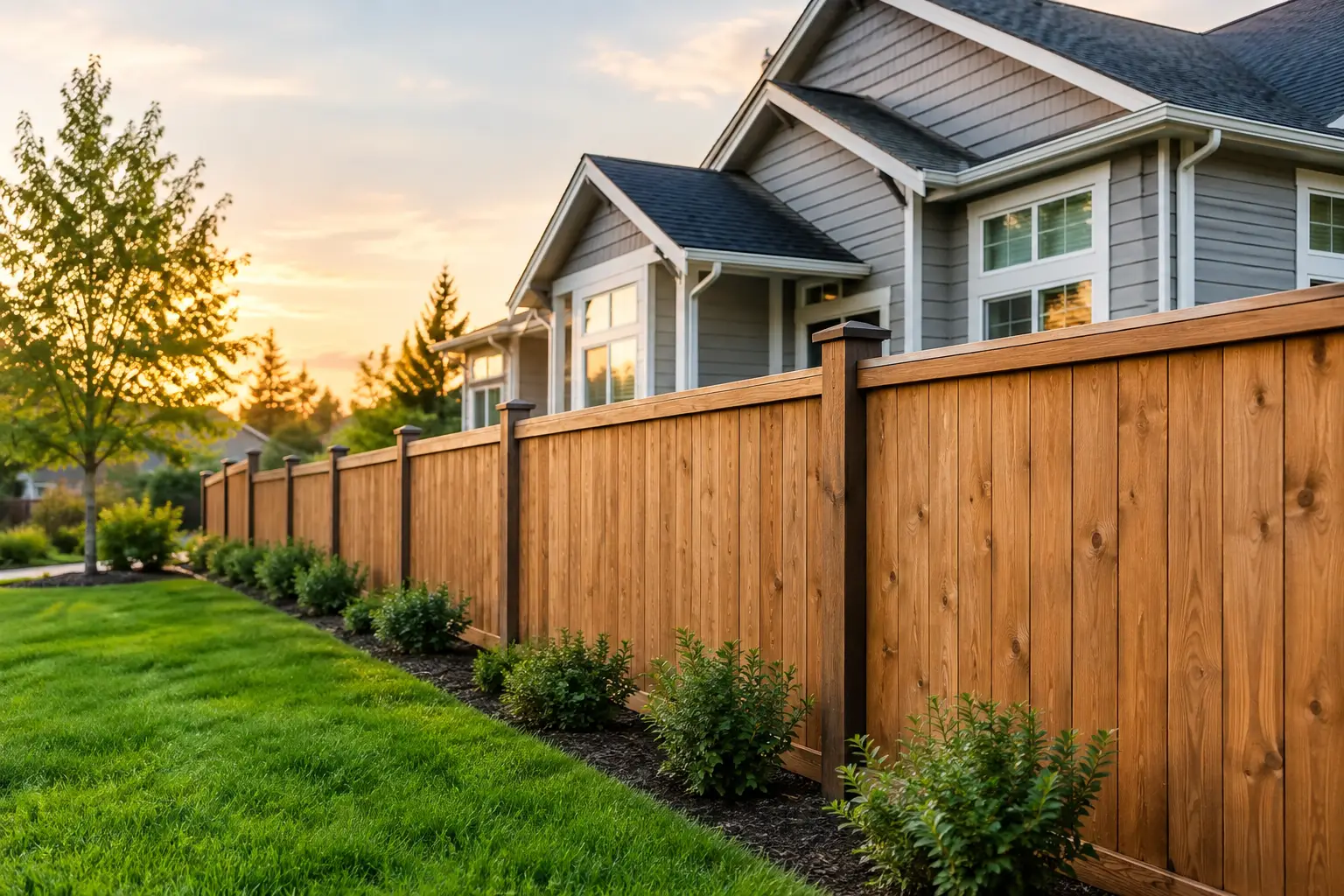
A fence can change the way a property is used every day. It can make a backyard more private, keep children and pets contained, define a boundary, or control who enters a business site. But do fences add value when it is time to sell or appraise a property? Often, yes - provided the fence solves a real need, fits the property, and is installed to last.
The key is not simply having a fence. Buyers, tenants, and property managers look at its condition, purpose, material, and appearance. A well-planned fence can improve marketability and help a property stand out. A neglected, poorly located, or overly specialized fence can have the opposite effect.
Do Fences Add Value? It Depends on the Buyer and the Fence
A fence does not typically add dollar-for-dollar value equal to its installation cost. Real estate values are influenced by location, home condition, lot size, nearby sales, and local demand. Still, fencing can improve perceived value and buyer confidence, which matters when similar properties are competing for attention.
For many homeowners, a fenced yard is a practical feature they would rather not install themselves after moving in. Families with pets or young children may see an enclosed yard as a priority. Privacy fencing can be especially appealing on closely spaced lots, while ornamental fencing may improve the look of a front yard, pool area, or upscale residential development.
For commercial properties, the value can be even more direct. Perimeter fencing and controlled gates help protect equipment, inventory, vehicles, and facilities. A secure site may be easier to lease, operate, insure, and manage. In those cases, the question is less about curb appeal alone and more about whether the fence supports the business's daily operations.
What Makes a Fence More Valuable
The fence solves a clear property need
The best fence is one that matches the reason it is being built. A six-foot wood, vinyl, or composite fence can create useful privacy around a backyard. Chain link may be the right choice for a large yard, dog run, sports area, or rural property where containment matters more than screening. Ornamental aluminum or steel fencing can provide a finished appearance without blocking views.
On commercial and industrial sites, chain link fencing with privacy screening, barbed wire where appropriate, or upgraded access points may be necessary for security. A fence that fits the use of the land feels like an asset rather than an afterthought.
The material suits the property and maintenance expectations
Material choice affects appearance, lifespan, and the amount of work a future owner may inherit. Wood remains a popular option because it offers a traditional look and strong privacy at a range of price points. It does require staining, sealing, repair, and occasional board replacement over time.
Vinyl and composite fencing can appeal to buyers who want a clean, consistent look with less routine maintenance. Ornamental fencing works well where visibility and curb appeal matter. Chain link is durable and cost-effective, particularly for larger enclosures and commercial applications, though it may not offer the same privacy or decorative appeal as other options.
There is no single material that adds the most value in every situation. A high-end ornamental fence may suit a front entrance or pool enclosure, but it may not be the best use of budget for a large rural lot. The right choice is the one that looks appropriate and performs well for the property.
The installation looks permanent and well cared for
A straight fence line, properly set posts, secure gates, and consistent spacing make a noticeable difference. Buyers may not know the technical details of fence construction, but they can see sagging gates, leaning sections, loose pickets, rust, and mismatched repairs immediately.
Professional installation also helps avoid issues that can affect a sale later, such as placing the fence over a property line, failing to account for slopes, or creating gate access problems. Before construction begins, property owners should confirm boundaries, utility locations, neighborhood requirements, and any local rules that apply to height or placement.
When a Fence May Not Add Much Value
Some fences improve daily use without doing much for resale value. That does not make them a poor investment. It simply means the return is more personal than financial.
For example, a very tall privacy fence can feel restrictive on a small lot, especially if it blocks a desirable view or makes the yard feel closed in. An aging wood fence with peeling stain and warped boards may create an immediate maintenance concern for buyers. A fence built too close to a neighbor's structure or across an uncertain boundary can create a bigger problem than the fence is worth.
Overbuilding is another consideration. Installing an expensive specialty fence in a neighborhood where most homes have simple wood or chain link fencing may not produce a matching increase in resale price. The fence should fit the home, the surrounding area, and the likely expectations of future buyers.
Fence Types and Their Potential Impact
Wood privacy fencing
Wood fencing is a familiar choice for Arkansas homes because it provides privacy, defines outdoor living areas, and can be customized in height and style. A well-maintained wood fence often helps a property show better, particularly where backyard privacy is a selling point. Its value depends heavily on condition. Freshly repaired, cleaned, and sealed wood presents far better than a fence nearing the end of its service life.
Vinyl and composite fencing
Vinyl and composite products offer a more uniform appearance and can reduce concerns about rot, splinters, and frequent refinishing. These systems can be a strong fit for homeowners who want long-term appearance with limited upkeep. They may carry a higher initial cost, so their best value is often found in neighborhoods where buyers expect durable, low-maintenance exterior features.
Ornamental fencing
Ornamental fencing can add a finished, intentional look around front yards, pool areas, entrances, and commercial properties. It provides security and boundary definition while preserving sightlines. For properties with landscaping, architectural features, or views worth showing, ornamental fencing may create more appeal than a solid privacy fence.
Chain link fencing
Chain link is one of the most practical fence options available. It is commonly used for residential pet areas, acreage, schools, sports facilities, warehouses, storage yards, and utility sites. While it may add less decorative appeal than wood or ornamental materials, a clean, properly installed chain link fence can add meaningful functional value. For commercial buyers, it may be exactly what makes a property usable.
Gates and Access Control Can Increase Functional Value
A fence is only as useful as the access it provides. Residential gates should be wide enough and placed where owners can comfortably enter yards, store equipment, or access service areas. Gates that drag, latch poorly, or do not align with the fence can make an otherwise solid installation feel unfinished.
For businesses, developers, and industrial operators, entry control can be a major part of the property's value. Sliding gates, cantilever gates, pivot lift gates, automated operators, keypads, card access, and other controls can help manage traffic and reduce unauthorized entry. These systems require thoughtful planning because the right gate depends on vehicle volume, available space, security needs, and operating conditions.
Ace Fence Company Inc. has worked with property owners across the River Valley and Northwest Arkansas since 1963, handling both standard fence installations and specialized perimeter and gate systems. That experience matters when a project involves more than enclosing a yard.
Plan for Value Before the First Post Is Set
If resale value is part of the decision, start with the property's practical needs. Consider who is most likely to use the space, what nearby homes or businesses look like, and whether privacy, appearance, containment, or security is the main goal. Then choose a material and style that meets that goal without creating unnecessary maintenance or limiting the property's appeal.
A fence should make a property easier to enjoy, manage, and trust. When it is built for the right purpose and maintained well, it gives the next owner something useful from the day they take possession.
Ready to Talk to a Real Fence Professional?
Free on-site estimates from the River Valley's most trusted fence company since 1963.