
Chain Link Fence Review for Arkansas Properties
Read this chain link fence review to compare cost, durability, security, privacy options, and installation needs for Arkansas homes and businesses today.
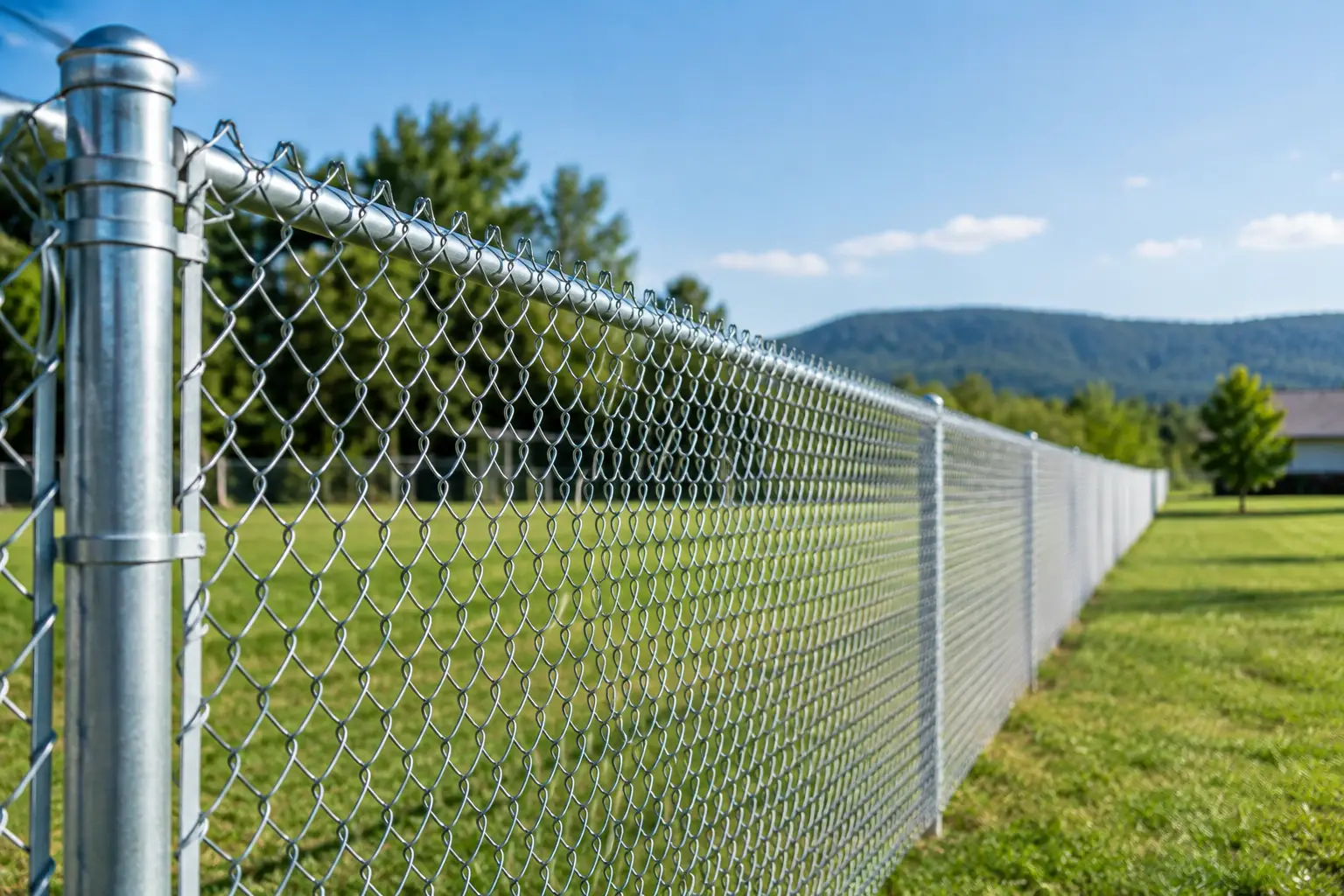
A chain link fence is often chosen for a simple reason: the property needs a dependable boundary that does its job without creating unnecessary expense. This chain link fence review looks beyond that first impression. For many Arkansas homes, businesses, job sites, and rural properties, chain link is one of the most practical fencing choices available. But it is not the right answer for every location or every security goal.
The best decision comes down to what the fence must accomplish. A backyard pet enclosure has different needs than a commercial storage yard. A school perimeter, warehouse entrance, athletic field, and equipment laydown area may all use chain link, but the fabric, framework, height, gates, and access controls should not be the same.
What a Chain Link Fence Does Well
Chain link fencing creates a visible, durable boundary while preserving sightlines. That matters when you want to see across a property, monitor activity near a gate, or avoid making a smaller yard feel closed in. It is also one of the more economical ways to enclose a large area, particularly when compared with wood, vinyl, composite, or ornamental fencing.
For homeowners, chain link is a practical choice for containing dogs, marking property boundaries, securing a side yard, or protecting a garden area. It can work especially well on uneven terrain where long runs of decorative fencing may require more adjustment. Galvanized fabric holds up well against rain and normal outdoor exposure, and vinyl-coated chain link adds a darker, more finished appearance while providing another layer of protection.
For commercial and industrial properties, chain link remains a standard for good reason. It can enclose parking areas, material yards, utility equipment, construction sites, recreation facilities, and business perimeters. The open design supports visibility, which can be useful for surveillance and day-to-day site management. When security needs increase, the system can be upgraded with taller fabric, heavier framework, tighter mesh, barbed wire where appropriate, privacy screening, and controlled-access gates.
Chain Link Fence Review: The Trade-Offs to Consider
The main drawback is privacy. Standard chain link fencing is transparent, so it will not block views into a yard or commercial site. Privacy slats, windscreen, and landscaping can reduce visibility, but those additions change both the appearance and the wind load placed on the fence. If complete privacy is the main objective, a wood, vinyl, or composite fence may be a better starting point.
Appearance is another consideration. Some property owners prefer the warm look of wood or the more decorative lines of ornamental fencing. Chain link has a utilitarian appearance, although black or green vinyl-coated systems can blend into a residential landscape more easily than traditional galvanized silver. The right color, proper gate placement, and clean installation make a noticeable difference.
Security also depends on the complete system, not just the fabric. A light residential chain link fence can discourage casual entry and keep pets contained, but it is not designed to stop a determined intruder. Commercial security calls for an evaluation of fence height, gauge, post schedule, top rail, terminal posts, gate hardware, lighting, access control, and the condition of the surrounding perimeter. A weak gate can undermine an otherwise well-built fence line.
Materials Matter More Than Many Buyers Expect
Two chain link fences can look similar from a distance while offering very different service life. The quality of the fabric and framework has a direct effect on how well a fence resists impact, sagging, corrosion, and frequent gate use.
Galvanized chain link is a proven, cost-conscious option. The zinc coating helps protect the steel from rust, making it suitable for many residential and commercial applications. Vinyl-coated chain link provides a colored outer coating over galvanized wire. It is often selected for homes, parks, schools, and locations where appearance matters more, though the initial price is typically higher.
Fabric gauge is also worth discussing during the estimate process. Lower gauge numbers indicate thicker wire. A heavier fabric is generally a better fit for active dog runs, commercial yards, athletic areas, and other locations where the fence may see impact or regular use. Post diameter, wall thickness, and concrete footing depth should be matched to the height of the fence, soil conditions, gate size, and intended use.
Do not overlook the fittings. Tension bands, rails, caps, hinges, latches, and brace assemblies are small parts, but they help keep the fence tight and stable over time. Quality installation means the fabric is properly stretched, terminal posts are braced correctly, and gates are aligned to open and latch as intended.
Choosing the Right Height and Gate Layout
A four-foot chain link fence may be sufficient for a basic residential boundary or small dog area. A five- or six-foot fence offers more containment and is common around backyards, pools, and commercial sites. Taller fencing may be needed for security, athletic facilities, industrial operations, or locations with specific operational requirements.
Before selecting a height, consider the people, animals, equipment, and traffic the fence must manage. A large dog that jumps or climbs may need a taller enclosure or a different top treatment. A business storing valuable equipment outside may need a taller perimeter and a gate system that can be secured after hours. Local codes, pool requirements, utility easements, and homeowner association rules can also affect the final design.
Gates deserve the same attention as the fence itself. A walk gate should be wide enough for routine access, lawn equipment, trash service, or maintenance needs. Double swing gates can provide access for vehicles, while sliding and cantilever gates are often better suited for commercial driveways where frequent vehicle entry, limited swing space, or automated operation is required.
For sites that need more than a padlock, gate operators, keypad entry, card readers, telephone entry systems, and other access-control components can be integrated into the plan. Planning these items early helps avoid costly changes after the fence is installed.
Cost Factors for Chain Link Fencing
Chain link is often less expensive than other fence materials, but there is no single price that applies to every property. The length and height of the fence are major factors, along with fabric gauge, coating type, framework, terrain, demolition of old fencing, and the number and style of gates.
A short, level residential run with one walk gate is a straightforward project. A long commercial perimeter with slopes, multiple vehicle gates, barbed wire, privacy screening, and access-control equipment requires more material, labor, and planning. Rock, drainage issues, buried utilities, and difficult access for equipment can also affect installation costs.
The lowest quote is not always the lowest long-term cost. A fence built with undersized posts, shallow footings, light-duty gates, or poorly stretched fabric may need repairs earlier than expected. It is reasonable to ask what gauge fabric is proposed, what framework will be used, how gate posts will be set, and whether the design fits the way the property will actually be used.
Maintenance and Expected Service Life
One of chain link's advantages is low maintenance. It does not need staining, painting, or regular sealing. Periodic checks are still worthwhile, especially after storms, vehicle contact, or heavy use around gates. Look for loose fabric, bent rails, leaning posts, damaged coatings, worn hinges, and latches that no longer close securely.
Keep vines and heavy vegetation from growing through the fabric. Plants can make a fence look softer, but over time they can pull on the mesh, trap moisture, and make repairs more difficult. If privacy screening is installed, inspect it for tears and make sure it is secured properly. A damaged screen can catch wind and place extra stress on posts and rails.
With suitable materials and professional installation, a chain link fence can provide many years of service. Its actual lifespan depends on coating type, drainage, soil conditions, weather exposure, maintenance, and how much impact the fence receives. Gates usually need attention before the rest of the fence because they are moving components.
When Chain Link Is the Right Choice
Choose chain link when visibility, durability, containment, and value are higher priorities than complete privacy. It is a strong fit for dog enclosures, backyards, playgrounds, ball fields, commercial yards, construction areas, equipment storage, and perimeter boundaries that may need specialized gates later.
If your property needs a fence that also controls who enters and exits, the conversation should go beyond fabric and posts. Ace Fence Company Inc. can help assess the full perimeter, including gate access, traffic flow, security needs, and the right material for the job. A clear site evaluation at the start gives you a fence designed for daily use, not just one that looks acceptable on installation day.
Ready to Talk to a Real Fence Professional?
Free on-site estimates from the River Valley's most trusted fence company since 1963.