Chain Link Fence Installation Cost Guide
Learn what drives chain link fence installation cost, from height and wire gauge to gates, terrain, and labor for Arkansas projects.
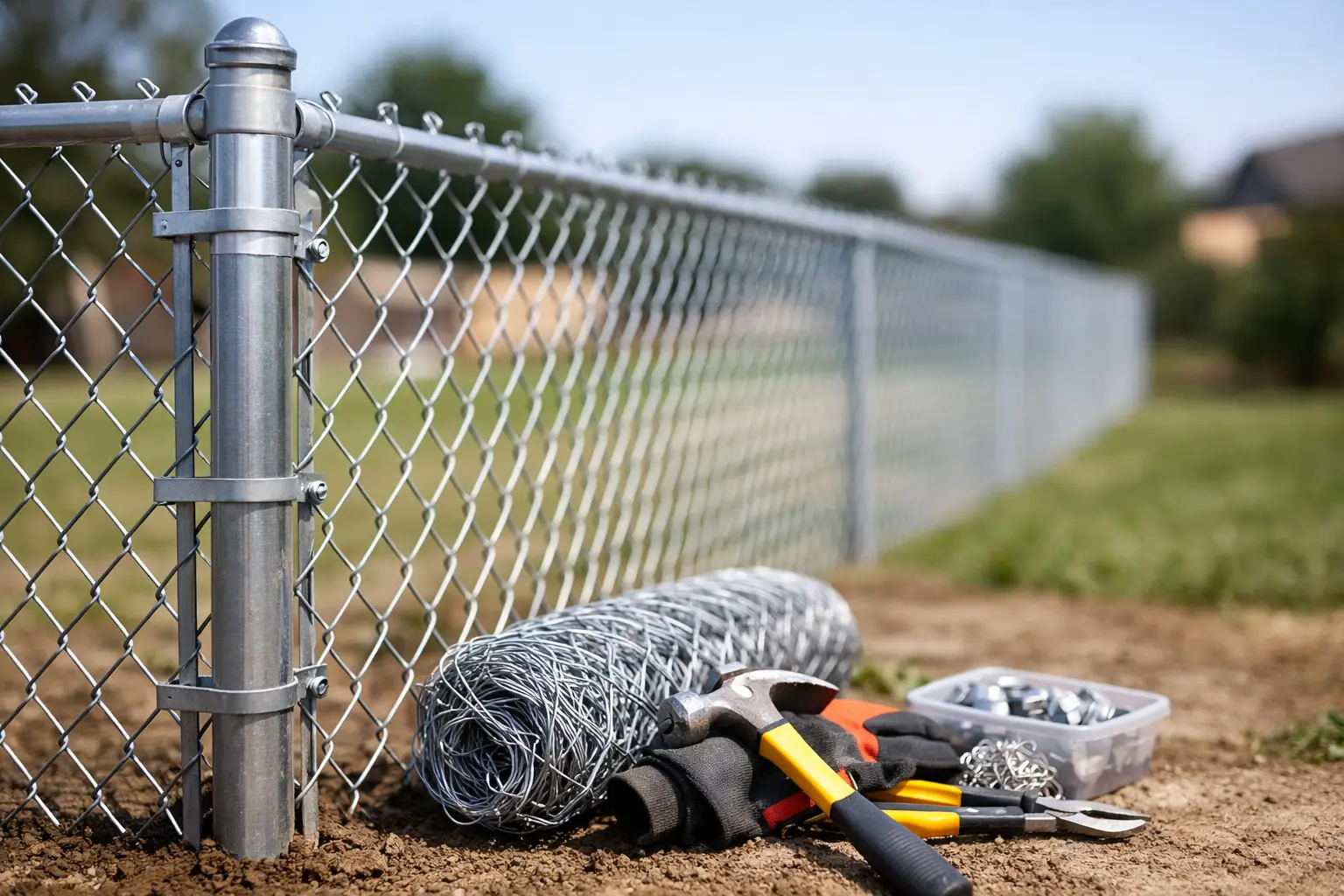
If you are pricing a new perimeter, chain link fence installation cost usually comes down to a few practical factors - how much fence you need, how strong it needs to be, what the ground is like, and whether the project includes gates or security features. A small backyard enclosure and a large commercial perimeter can both use chain link, but they are priced very differently once layout, materials, and site conditions are considered.
That is why ballpark numbers only go so far. Chain link is often one of the most cost-effective fencing options available, but the final price can move up or down depending on the purpose of the fence and the details of the installation.
What affects chain link fence installation cost
The biggest driver is linear footage. More fence means more posts, more fabric, more top rail, and more labor. That sounds obvious, but it also means the shape of the property matters. A simple straight run is faster to install than a layout with multiple corners, tie-ins, elevation changes, or tight working areas.
Fence height also plays a major role. A 4-foot residential fence is not priced like a 6-foot or 8-foot security fence. Taller chain link requires heavier materials and more labor to set properly. For commercial and industrial sites, that often includes stronger framework and, in some cases, added security features.
Material quality matters too. Chain link fabric comes in different wire gauges and coatings. A lighter residential application may not need the same specifications as a warehouse yard, athletic facility, or industrial site. Galvanized chain link is common, while vinyl-coated systems can raise the price but may offer a cleaner look and additional weather protection.
Then there is the site itself. Flat, open ground is typically easier and less expensive to fence than sloped terrain, rocky soil, or areas with heavy roots. If crews have to work around existing structures, remove old fencing, or deal with access limitations, labor costs can increase.
Typical price ranges for chain link fencing
For many residential projects, chain link is chosen because it provides dependable boundary security without the higher material cost of ornamental or privacy fencing. Basic installations are often among the lower-cost fence options per linear foot, especially on straightforward sites.
Commercial pricing tends to be broader. Some jobs are simple perimeter enclosures. Others involve heavier posts, taller fence heights, barbed wire arms, custom gates, or controlled-entry systems. At that point, the project is no longer just about fence fabric. It becomes part of a larger security plan.
As a general rule, property owners should expect the cost to vary based on these common ranges:
- Basic residential chain link with standard height and layout is usually the most budget-friendly category.
- Mid-range projects often include taller fence, vinyl coating, multiple gates, or more difficult site conditions.
- Commercial and industrial installations can increase substantially when they require security upgrades, heavy-duty framework, or automated access points.
That is why estimates should be based on your actual site instead of a national average pulled from a generic source. In Arkansas, labor conditions, terrain, and project scope can change pricing quickly.
Residential vs. commercial chain link cost
Homeowners usually focus on enclosing a backyard, securing pets, marking property lines, or creating a durable fence with low maintenance. In those cases, the decision often comes down to height, gate count, and whether appearance is a priority. A black vinyl-coated chain link fence, for example, typically costs more than galvanized but can blend into landscaping better.
Commercial buyers usually have a different set of concerns. They may need to secure equipment yards, define traffic flow, protect inventory, or control access to a facility. That can mean taller fencing, wider openings, cantilever or slide gates, and stronger terminal and line posts. The result is a broader price range and more planning up front.
For industrial properties and higher-security installations, fence cost is often tied to performance requirements rather than just footage. If the fence needs to support restricted access, add anti-climb measures, or integrate with gate operators and access controls, the budget should reflect that from the beginning.
Materials that can raise or lower the total price
Not all chain link systems are built the same. Wire gauge affects strength. Post diameter affects durability. Coatings affect appearance and resistance to corrosion. These choices can change the total project cost, but they also affect how the fence performs over time.
Galvanized chain link is a practical standard for many projects. It is durable, widely used, and generally more economical than coated alternatives. Vinyl-coated chain link costs more, but many property owners prefer it for residential applications, schools, parks, and properties where appearance matters.
Gates are another major price factor. A simple walk gate is one thing. A double drive gate, rolling gate, or custom fabricated commercial gate is another. Once a project includes wider openings, reinforced frames, latch systems, or automation, the cost increases because the gate system becomes a specialty component rather than a standard accessory.
Privacy slats can also raise the price. Some owners like them for visual screening, but they add material cost and wind load. In some applications, a different fence type may make more sense if privacy is the main goal.
Site conditions and labor considerations
Labor is a significant part of chain link fence installation cost, and site conditions are often the reason. A fence installed across clean, accessible ground can move quickly. A fence installed on a steep slope, through rock, around utilities, or inside an active commercial site takes more time and coordination.
Old fence removal can add to the job as well. If an existing fence has to be dismantled, hauled off, and replaced, that work affects both labor and disposal costs. The same goes for concrete footings that need to be broken out and removed.
Permitting can be another factor depending on the municipality, neighborhood requirements, or commercial site regulations. A contractor may also need to account for utility locating, traffic control, or scheduling around business operations. None of that is unusual, but it does affect price.
How to budget for the right chain link system
The cheapest fence is not always the best value. If a homeowner installs a light-duty chain link fence where pets, kids, or regular gate use will put more stress on the system, repairs may come sooner than expected. If a business underbuilds a perimeter that needs real access control, they may end up replacing gates or upgrading posts later.
A better approach is to match the fence to the job. For a backyard, that might mean selecting the right height, one or two properly placed gates, and a finish that fits the property. For a commercial site, it may mean planning the fence and gate system together so the layout works from day one.
This is where local experience matters. A contractor who regularly handles both residential enclosures and commercial security projects can point out where standard materials are enough and where it makes sense to step up to heavier components. Ace Fence Company Inc. has worked with chain link, custom gate systems, and perimeter solutions across this region for decades, and that kind of practical field experience helps keep estimates realistic.
Getting an accurate estimate
If you want a reliable number, the best estimate starts with a few basic project details. The total footage, desired height, number of gates, site access, and intended use all help shape the budget. Photos can help, but a site visit is usually the best way to catch grade changes, obstacles, and layout issues before they become surprises.
It also helps to be clear about priorities. If the goal is simple enclosure at the most economical price, say that. If the goal is long-term durability, better appearance, or stronger site security, that should be part of the conversation too. Different priorities lead to different recommendations.
A good contractor will explain those trade-offs clearly. They should be able to tell you where money is being spent, what affects performance, and whether optional upgrades are worth it for your property. That is how you avoid paying for features you do not need or cutting corners where they matter most.
Chain link remains one of the most practical fencing choices for homeowners, businesses, and industrial properties because it can be scaled to fit a wide range of uses. The key is not chasing a generic price. It is getting a fence system that fits your site, your security needs, and your budget the first time.
Ready to Talk to a Real Fence Professional?
Free on-site estimates from the River Valley's most trusted fence company since 1963.