Best Fencing for Industrial Sites That Works
Learn how to choose the best fencing for industrial sites based on security, access, terrain, maintenance, and the demands of your operation every day.
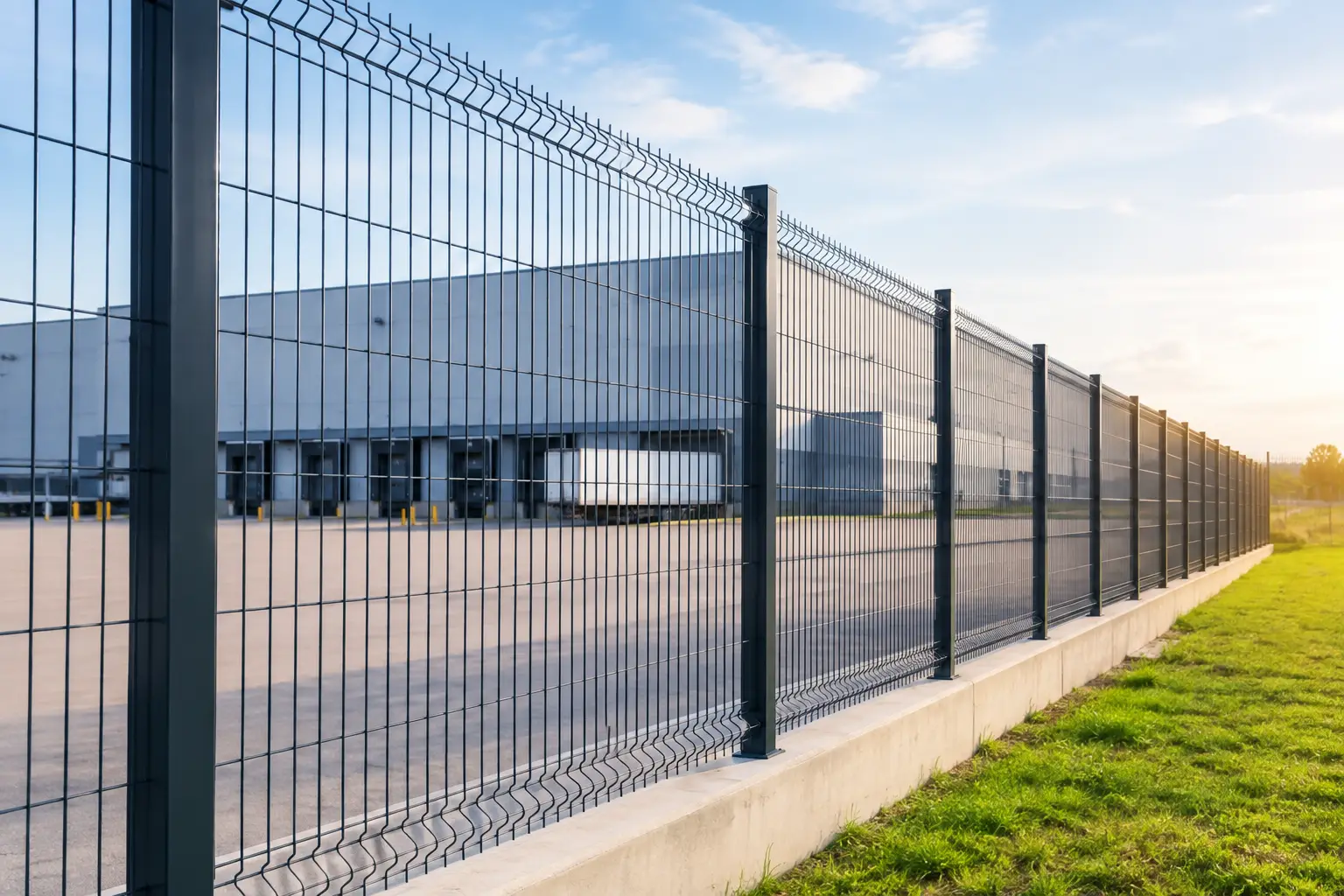
A damaged section of perimeter fence can become an open invitation to theft, trespassing, illegal dumping, or unsafe after-hours access. The best fencing for industrial sites is not simply the tallest or most expensive option. It is the system that matches the property’s risks, traffic patterns, operating conditions, and access requirements.
Industrial properties often need more than a basic boundary line. Equipment yards, warehouses, utility areas, manufacturing facilities, construction sites, and distribution centers may require controlled entry, clear visibility, durable materials, and gates that work reliably through daily traffic. Choosing the right fence starts with a realistic look at what the perimeter needs to accomplish.
What the Best Fencing for Industrial Sites Must Do
A well-planned industrial fence serves several jobs at once. It establishes a visible property line, discourages unauthorized entry, protects equipment and inventory, and helps direct employees, vendors, and visitors toward approved access points. On some sites, it also separates vehicle areas from pedestrian zones or restricts access to hazardous equipment.
Security matters, but it is only one part of the decision. A fence that provides excellent intrusion resistance may not be the best fit if it blocks necessary visibility around truck traffic. Likewise, a low-maintenance material may still create problems if the gate system cannot handle frequent openings, large vehicles, or emergency access.
Before selecting a style, consider where the highest risks are located. The rear of a facility, a remote storage yard, a loading area, and a public-facing entrance may each need different levels of protection. One continuous fence type can work for some properties, but many industrial sites benefit from a perimeter plan that uses different solutions where they make the most sense.
Chain Link Is the Workhorse for Industrial Perimeters
For many industrial properties, commercial-grade chain link remains the most practical choice. It is durable, cost-effective for long runs, and adaptable to varied site conditions. Chain link also maintains sightlines, allowing personnel and security cameras to see through the perimeter rather than creating blind spots.
Galvanized chain link provides dependable corrosion resistance, while vinyl-coated chain link can offer an added layer of protection and a cleaner appearance. The right fabric gauge, mesh size, post schedule, and framework matter just as much as the material itself. A fence installed around a lightly used storage lot has different demands than one protecting high-value machinery or a facility with regular public exposure.
Height is another major factor. A four-foot fence may mark a boundary, but it offers limited deterrence. Six-foot and eight-foot commercial fences are common for industrial uses, with taller configurations appropriate where site conditions and local requirements support them. Extensions, barbed wire, or other security features may be considered for higher-risk areas, but they should be selected carefully with safety, liability, appearance, and applicable regulations in mind.
Chain link also works well with industrial gates. Swing gates, slide gates, cantilever gates, and automated systems can be integrated into a properly designed chain link perimeter. That flexibility is one reason it remains a dependable option for facilities across a wide range of industries.
When privacy chain link makes sense
Privacy slats or screening can be useful where a property owner wants to limit views into a storage yard, equipment area, or service location. However, privacy materials create a trade-off. They reduce visibility from outside the fence and can increase wind load on the framework.
For locations exposed to Arkansas storms or open-site winds, the fence structure must be designed with those conditions in mind. Screening should not be added as an afterthought to a framework that was sized only for open chain link fabric.
Ornamental Steel Fits Visible, Security-Focused Areas
Ornamental fencing is a strong option for industrial sites where appearance matters alongside security. It is often used at front entrances, office areas, customer-facing sections of a campus, and high-visibility commercial developments. Its clean lines can create a more finished appearance than chain link while still providing durable perimeter control.
A properly specified ornamental fence can be difficult to climb and can be paired with matching pedestrian and vehicle gates. It is especially useful when a company wants the entrance to reflect the quality of its operation without sacrificing protection.
The trade-off is cost. Ornamental fencing generally requires a larger upfront investment than chain link, particularly over long distances. It may be the right choice for key sections of a site rather than every foot of the perimeter. Combining ornamental fencing at the front with commercial chain link around rear and side boundaries is often a practical approach.
Gates and Access Control Deserve Equal Attention
A strong fence is only as effective as its entry points. Gates are where many industrial security plans either work well or fall short. A gate that is too narrow slows deliveries. A gate that is too light for its usage may sag, drag, or require frequent repairs. A manually operated gate may be acceptable for an occasional-access yard but impractical at a busy facility with shift changes and regular truck traffic.
For industrial sites, gate selection should account for the width of delivery vehicles, turning paths, opening frequency, grade changes, and available space along the fence line. Sliding and cantilever gates are often a good fit where wide vehicle access is needed. A cantilever gate does not roll across the ground opening, which can be helpful on uneven surfaces or areas where debris, gravel, and weather would interfere with a track.
Automated gate operators can add security and convenience, but they need to be matched to the gate’s weight, size, and expected duty cycle. Access control may include keypads, card readers, remote controls, telephone entry systems, or other credential-based methods. The goal is not to add technology for its own sake. The goal is to give authorized people dependable access while maintaining a record and level of control appropriate for the property.
Emergency access and safety requirements should be part of the design from the beginning. Fire lanes, emergency responders, exit routes, and gate safety devices cannot be treated as details to solve after installation.
Temporary Fencing Protects Active and Changing Sites
Permanent fencing is not always the immediate answer. Construction projects, utility work, temporary storage areas, special events, and phased industrial expansions may need secure boundaries for a limited period. Temporary fencing can establish a controlled work zone, protect materials, and keep unauthorized people away from active operations.
The right temporary setup depends on duration, terrain, public exposure, and the level of security needed. A short-term panel enclosure has a different purpose than a braced temporary chain link perimeter around an extended construction project. Gates, privacy screening, and warning signage may also be needed to keep the site organized and safe.
Temporary fencing is most effective when it is planned around actual site activity. That means locating access points where crews and delivery vehicles need them, not where they are easiest to place on a drawing.
Plan for Ground Conditions and Long-Term Maintenance
Industrial properties rarely have perfectly level, obstacle-free fence lines. Drainage ditches, slopes, rock, pavement transitions, utility crossings, and uneven ground all affect installation. A fence that looks straightforward on a site plan can require a different approach in the field.
Good installation begins with checking the full perimeter, not just measuring its length. Posts need appropriate depth and spacing. Corners, ends, gate openings, and changes in direction require the right bracing. The fence must follow grade closely enough to avoid large gaps while still functioning properly where slopes are significant.
Maintenance should also be considered before materials are chosen. Chain link can be repaired in sections after impact damage. Ornamental systems can provide long service life but may need coating touch-ups if damaged. Automated gates need periodic inspection of operators, rollers, hinges, safety devices, and access-control components. The lowest initial price is not always the lowest cost over the life of the system.
Choose a Fence System, Not Just a Fence
The best industrial perimeter is usually a coordinated system: fence fabric or panels, properly sized posts and framework, gates built for the site, and access controls that fit the operation. It should also account for future needs. A facility that expects additional truck traffic, new storage areas, or expanded security requirements may benefit from planning those changes into the first installation.
A site walk with an experienced fencing contractor can identify weak points that are easy to miss from an office or aerial image. Ace Fence Company Inc. helps industrial and commercial property owners evaluate material options, gate requirements, and practical installation conditions before work begins.
The right fence should make daily operations easier, not create a new problem to manage. Start with the risks on the property, the people and vehicles that need access, and the level of protection the site truly requires. That approach leads to a perimeter built for the work happening behind it.
Ready to Talk to a Real Fence Professional?
Free on-site estimates from the River Valley's most trusted fence company since 1963.