How to Choose the Best Fence for Pool Safety
Choose the best fence for pool safety with practical guidance on height, gates, materials, local code checks, and a safer backyard layout for families, at home.
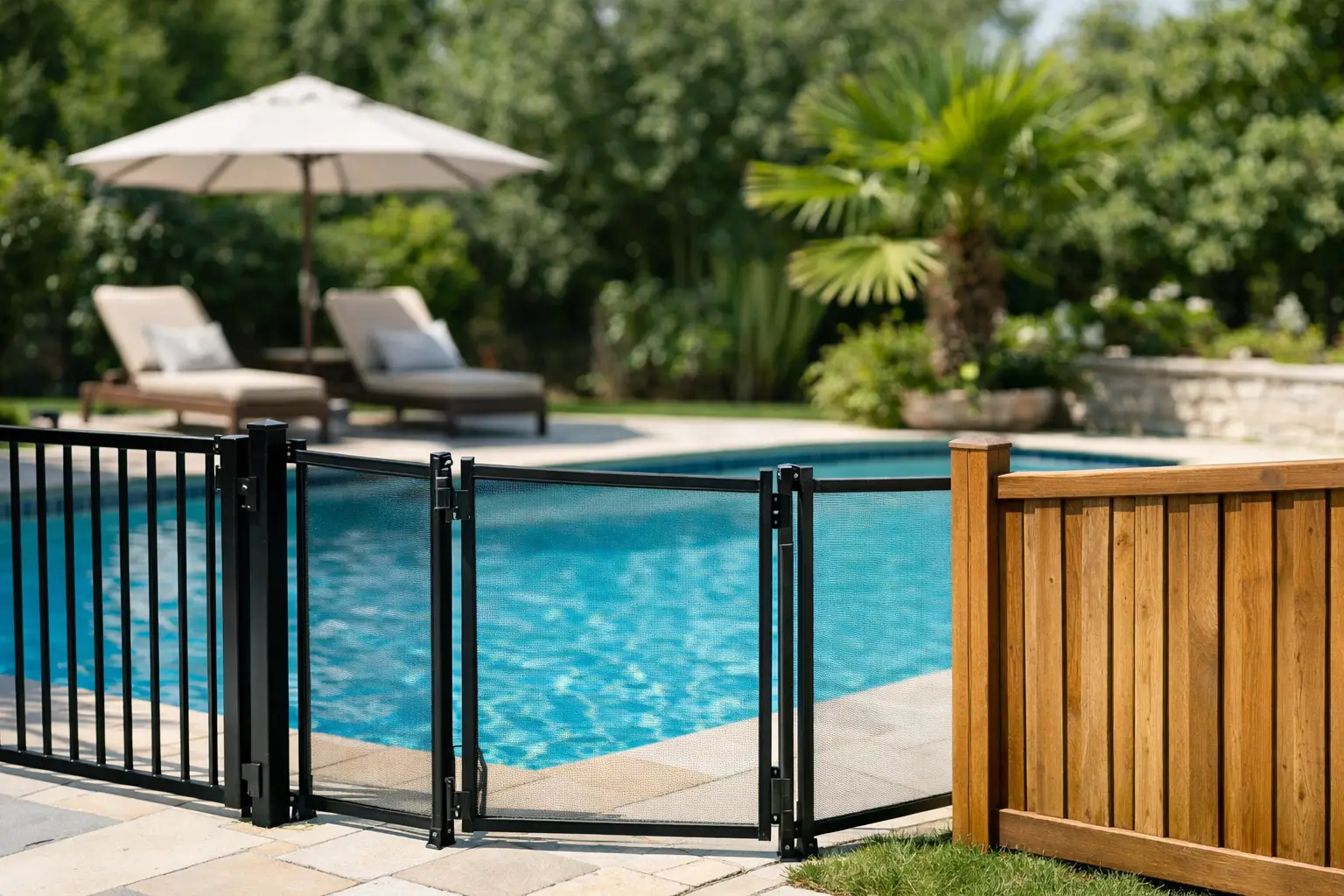
A pool can be the center of a family backyard, but it also creates a serious safety responsibility. The best fence for pool safety is one that creates a dependable physical barrier between children and the water, closes securely every time, and meets the requirements that apply to your property. It should do more than mark a boundary. It should make unsupervised access difficult.
For homeowners in Fort Smith, Northwest Arkansas, and the River Valley, the right answer depends on the pool layout, the age of children who use the property, the material you prefer, and local code requirements. A qualified fence contractor can help sort through those factors before installation begins.
Start With a Four-Sided Pool Barrier
The strongest pool-safety setup separates the pool from the house and the rest of the yard with a four-sided barrier. This matters because a fence around only the outside of the property may still leave a direct path from the home to the water. A child can exit a back door and reach the pool without ever encountering a gate.
An isolation fence around the pool creates an additional layer of protection. It limits access from the house, driveway, play area, and neighboring properties. It also gives adults a clear point of control: if the gate is closed and latched, the pool area is off limits unless an adult opens it.
That does not mean every property needs the same layout. A smaller backyard may require a fence line that works around patios, retaining walls, decks, or existing landscaping. The goal is to avoid openings, climbable features, and easy routes around the barrier.
What Makes a Pool Fence Safe?
Pool barriers are regulated locally, and requirements can vary by municipality, county, homeowner association, pool type, and project scope. Before selecting a material, verify the applicable rules with your local building department and review the manufacturer specifications for any fence system under consideration.
Height is one of the first considerations. Many pool-barrier standards require a minimum fence height, often measured from the finished ground level on the outside of the enclosure. The measurement can be affected by sloped yards, raised landscape beds, retaining walls, and nearby hardscape. A fence that appears tall enough from inside the pool area may not meet the required measurement from the exterior side.
Openings matter just as much. The spacing between pickets, rails, mesh, or chain link must be small enough to prevent a young child from passing through. The gap below the fence also needs attention, particularly on uneven ground. A low spot under the fence can turn a properly installed barrier into an access point.
The fence should also resist climbing. Horizontal rails on the outside of a fence, wide openings, nearby benches, stored furniture, and large planters can all give a child a way over the barrier. Good pool-fence planning considers the area around the fence, not just the fence itself.
The Gate Is the Most Important Part
A well-built fence cannot do its job if the gate is left open. Every pool enclosure should use a self-closing, self-latching gate designed to close from any open position. The latch should be positioned out of a young child’s reach and installed according to the gate and barrier requirements that apply locally.
The gate should swing away from the pool whenever required by code and practical for the site. This reduces the chance that a child pushing against the gate can accidentally move into the pool area. Gate hinges, closers, latches, and posts need to be installed with enough strength to handle repeated use without sagging or binding.
This is not a place to rely on a light-duty walk gate or a latch that only catches when the gate is pushed firmly. Pool gates take regular use, weather exposure, and occasional hard impacts. Commercial-grade hardware may be a sensible choice for families with active children, rental properties, or shared pool areas.
Best Fence Materials for Pool Safety
There is no single material that is right for every pool. The best fence for pool safety is the one that meets barrier requirements, fits the property, remains secure over time, and gives the owner a practical way to monitor and maintain access.
Ornamental Aluminum or Steel Fencing
Ornamental fencing is a common choice around pools because it provides a clear view into the pool area. Parents can see whether someone is near the water without opening a gate, while the narrow picket spacing can provide an effective barrier when properly specified and installed.
Aluminum is often selected for its clean appearance and resistance to rust. Steel can provide added strength for certain applications. Both can work well around patios and landscaped yards, but the design must avoid climbable rail placement and must use a properly rated gate system.
Vinyl Fencing
Vinyl fencing provides privacy and a finished appearance, which can appeal to homeowners whose pool is close to neighboring lots. It does not require painting, and quality materials can hold up well in wet pool environments.
The trade-off is visibility. A solid vinyl fence can block the view of the pool from the home or patio. In some yards, that is acceptable. In others, homeowners prefer a more open fence around the immediate pool enclosure and use privacy fencing along the property line. Vinyl systems must also be installed with appropriate posts and reinforcement so gates stay aligned.
Chain Link Fencing
Chain link is a durable and cost-conscious option for many pool enclosures. Vinyl-coated chain link can offer a softer appearance than galvanized material, and black coating often blends into the background around a yard or commercial pool area.
Its main concern is climbability. Standard chain link can be easier to climb than ornamental fencing or a smooth-panel system. Depending on the applicable code and the chosen design, modifications or a different material may be needed. Chain link can still be a practical solution when correctly planned for the site and paired with secure, self-closing gates.
Wood and Composite Fencing
Wood can create privacy and fit naturally with traditional Arkansas homes, while composite fencing can provide a similar finished look with lower maintenance. Both may work as part of a pool-barrier plan, especially on property lines or where privacy is a priority.
However, fence construction details are critical. Rails, cap boards, cross-bracing, and adjacent structures can create climbing opportunities if they are accessible from outside the pool enclosure. Wood also needs ongoing inspection for rot, loose boards, warping, and hardware movement. A pool barrier should be evaluated for safety throughout its service life, not just on installation day.
Plan for the Whole Backyard
A safe pool enclosure works with the rest of the yard. Keep grills, patio furniture, firewood stacks, storage boxes, and large planters away from the fence if they could be used as climbing aids. Check whether a deck, raised patio, retaining wall, or air-conditioning equipment changes the effective height of the barrier.
If your home has direct access to the pool area, consider door alarms, self-closing doors, and locks that meet applicable requirements. A pool alarm, safety cover, and adult supervision can provide additional protection, but none replaces a secure fence and gate. Layers of protection are stronger than relying on one device or one routine.
For commercial properties, apartment communities, hotels, and neighborhood associations, access control deserves extra planning. Keypads, card readers, magnetic locks, and controlled-entry gates may help manage use, but the system must still allow safe emergency exit and comply with pool and building regulations. The right setup balances security, daily convenience, and code requirements.
Inspect the Barrier Regularly
Weather, ground movement, regular gate use, and lawn maintenance can affect a fence over time. A quick inspection at the start of swim season and periodically afterward can catch small issues before they become safety concerns. Look for these conditions:
- Gates that fail to close or latch on their own
- Loose hinges, sagging gates, or damaged latch hardware
- Gaps under the fence caused by erosion or settling
- Broken pickets, loose panels, damaged mesh, or climbable items near the barrier
If a gate is not closing correctly, treat it as a priority repair. Do not assume an adult will remember to pull it shut every time.
A pool fence should fit your property, your daily routine, and the safety requirements that apply where you live. Ace Fence Company Inc. can help property owners evaluate materials, gate options, and practical enclosure layouts before the first post is set. A careful plan now gives your family a safer place to enjoy the water when the weather turns warm.
Ready to Talk to a Real Fence Professional?
Free on-site estimates from the River Valley's most trusted fence company since 1963.