Best Fence for Backyard Privacy: What Works
Find the best fence for backyard privacy based on budget, upkeep, style, and security. Compare wood, vinyl, and composite options.
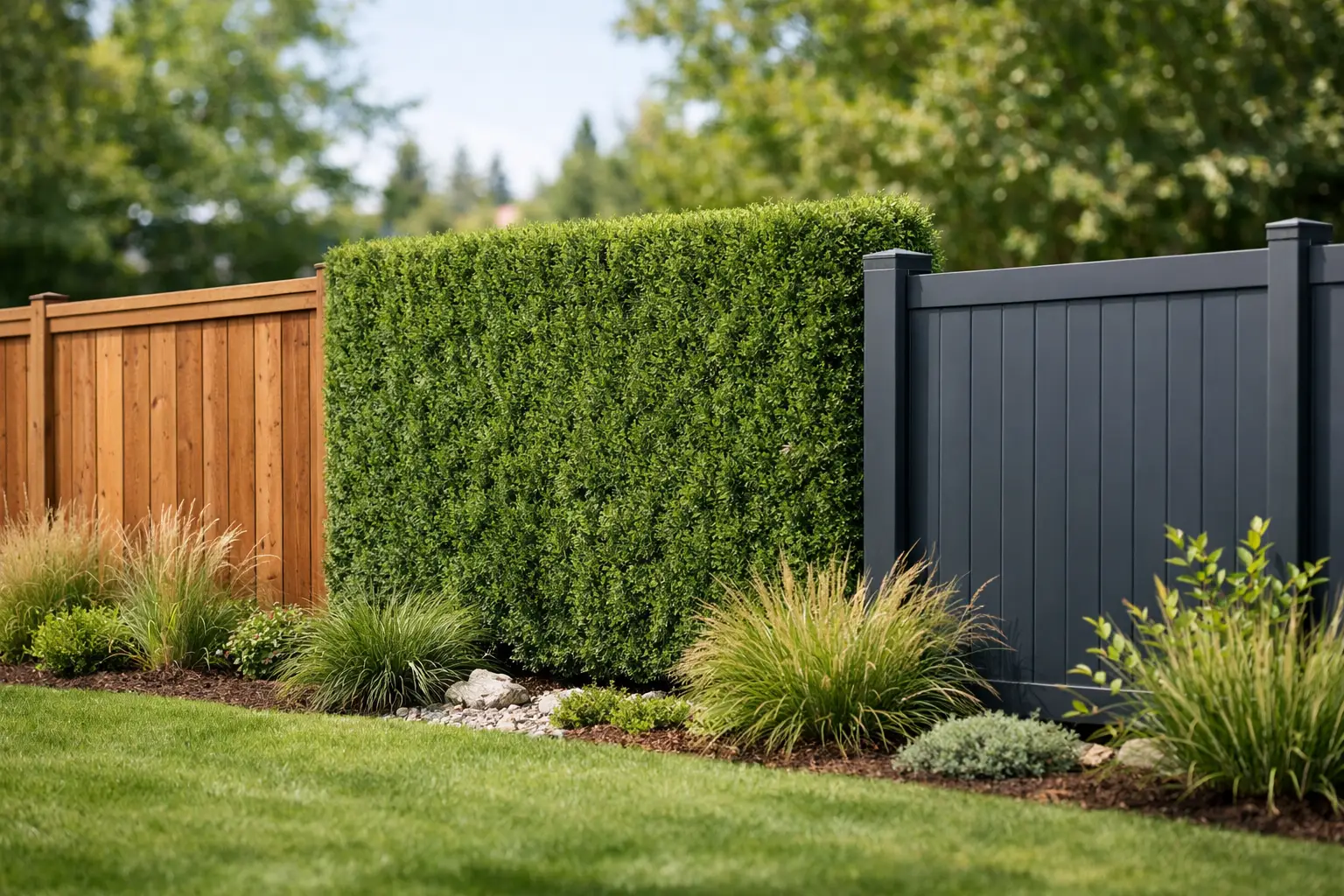
If your backyard backs up to a busy street, a neighboring patio, or an open lot, privacy stops being a nice extra and starts becoming the whole point of the project. The best fence for backyard privacy is not always the tallest or the cheapest option. It is the one that fits your property, holds up in Arkansas weather, and gives you the level of screening you actually need.
For most homeowners, that means looking closely at three main choices: wood, vinyl, and composite. Each can create a true privacy fence, but they do not perform the same way over time. The right call depends on your budget, the look you want, how much maintenance you are willing to handle, and whether privacy is your only goal or if security and curb appeal matter too.
What makes the best fence for backyard privacy?
A privacy fence needs more than close-set boards or panels. It should block sight lines from normal viewing angles, stand up to wind, and be built with enough structure to avoid sagging and leaning over the years. Height matters, but so does layout. A six-foot fence may work well on a flat lot, while a sloped yard or elevated neighboring property might call for a different approach.
Material matters just as much. Some fences give you a warm, traditional look but require periodic staining or sealing. Others offer lower maintenance but come with a higher upfront cost. There is no single answer for every yard, which is why the best fence for backyard privacy is usually a custom fit rather than an off-the-shelf decision.
Wood privacy fence: the classic choice
Wood remains one of the most common privacy fence materials for a reason. It is versatile, familiar, and attractive in a wide range of neighborhoods. A properly installed wood fence can provide full visual screening, a solid property boundary, and a natural look that works with almost any home style.
For homeowners focused on upfront cost, wood is often the most accessible path to full privacy. It can be built in standard dog-ear, board-on-board, shadowbox, or custom styles depending on how much coverage and visual depth you want. If complete screening is the priority, a solid wood privacy fence is usually the starting point.
The trade-off is maintenance. Wood is exposed to sun, rain, humidity, and ground moisture, and those conditions can lead to warping, rot, or discoloration over time if the fence is not maintained. Even high-quality installation does not remove the need for periodic care. If you like the look of wood and do not mind some upkeep, it remains a strong option.
Wood also offers flexibility for custom site conditions. If your yard has grade changes, unusual dimensions, or existing landscaping that needs to be worked around, wood can often be adapted more easily than panelized systems.
Vinyl privacy fence: clean look, lower upkeep
Vinyl is a popular choice for homeowners who want privacy without the ongoing maintenance that wood requires. It does not need staining or painting, and it resists many of the moisture-related issues that affect traditional wood fencing. For a lot of busy property owners, that lower-maintenance appeal is the deciding factor.
A vinyl privacy fence usually delivers a clean, finished appearance with solid panels and consistent lines. It works especially well for newer homes or properties where owners want a neat, uniform perimeter. Because the color is built into the material, there is no need to repaint when the finish gets tired.
The main trade-off is cost. Vinyl generally costs more upfront than wood, and while it is durable, the quality of the material and installation matters a great deal. Not all vinyl fencing is built the same. In strong wind conditions or on uneven lots, the strength of the posts, rails, and installation method makes a real difference.
Vinyl is also less flexible from a design standpoint than wood in some situations. If your project calls for custom sizing, unusual transitions, or a very specific look, wood may offer more room to tailor the final result.
Composite privacy fence: durability with a premium price
Composite fencing is often the upgrade choice for homeowners who want privacy, durability, and a more refined appearance. Made from a blend of wood fibers and plastic or other synthetic materials, composite is designed to offer the look of wood with reduced maintenance.
For privacy, composite performs well because it typically uses solid boards or engineered panels that create full screening. It also tends to hold its shape better than untreated wood, which can help preserve the clean look of the fence over time. Many homeowners like composite because it splits the difference between natural appearance and practical performance.
The downside is price. Composite is usually one of the more expensive residential fencing materials. It can still be the right value if you plan to stay in the home for years and want to reduce maintenance while keeping a high-end look. But if your main concern is getting privacy at the lowest installed cost, it may be more fence than you need.
Height, layout, and design matter more than many homeowners expect
When people ask about the best fence for backyard privacy, they often focus only on material. In practice, fence height and yard layout have just as much impact. A six-foot solid fence is common, but that does not guarantee privacy in every situation. If your neighbor's deck sits higher than your yard, or your lot slopes toward the rear, sight lines can still be an issue.
That is why site planning matters. The right fence design may involve stepping panels with the grade, adjusting transitions around structures, or pairing fencing with landscaping for added screening. In some yards, a board-on-board design creates better visual coverage than a standard side-by-side pattern because it reduces gaps as boards naturally move over time.
Local code and HOA rules also come into play. Height restrictions, placement rules, and material requirements can affect what you are allowed to build. It is better to factor those in early than to redesign the project after the estimate is done.
Which privacy fence is best for your budget?
If budget is the main driver, wood is often the practical starting point. It usually gives homeowners the most privacy for the lowest initial cost, especially for larger backyards where total linear footage adds up fast. That said, lower upfront cost does not always mean lower long-term cost once maintenance is considered.
Vinyl tends to sit in the middle for many projects. You will likely spend more at installation, but you may save time and maintenance costs over the years. Composite usually lands at the upper end of the range, but some homeowners see value in its longevity and appearance.
A good estimate should account for more than material alone. Post depth, gate needs, site access, demolition of old fencing, and terrain can all affect final pricing. A fence installed properly from the start is almost always a better investment than a cheaper job that has to be corrected later.
Privacy is often tied to security and usability
Backyard privacy is not only about blocking views. For many families, it also means creating a more secure space for kids, pets, and everyday use. A solid privacy fence can define the yard, discourage casual cut-through traffic, and make the space feel more functional.
That is one reason material selection should not be based on appearance alone. Gates, hardware, latch quality, and overall structural strength matter if the backyard gets regular use. A fence that looks good but does not hold up at the gate openings will not feel like much of an upgrade after a few seasons.
For homeowners who want both privacy and long-term performance, working with an experienced contractor helps narrow down what makes sense for the property instead of chasing a one-size-fits-all answer. Companies with broad installation experience, including wood, vinyl, composite, and gate systems, can usually spot site issues early and recommend a fence that makes sense for how the yard will actually be used.
So what is the best fence for backyard privacy?
For many Arkansas homeowners, wood is still the best all-around choice if you want strong privacy, a traditional look, and a lower initial price. Vinyl is often the better fit if low maintenance is high on your list and you want a clean, consistent appearance. Composite makes sense when long-term appearance and reduced upkeep justify a higher investment.
There is no universal winner, because backyards are not all built the same and homeowners are not solving the same problem. Some need full screening on a tight budget. Others want a long-lasting upgrade that adds value and cuts down on maintenance. The best result comes from matching the material, height, and layout to the property instead of choosing based on price or appearance alone.
If you are planning a privacy fence, start with the real conditions of your yard and the way you want to use the space. That is usually where the right answer becomes clear.
Ready to Talk to a Real Fence Professional?
Free on-site estimates from the River Valley's most trusted fence company since 1963.