Best Backyard Privacy Fences for Arkansas
Compare the best backyard privacy fences for Arkansas homes, from wood and vinyl to composite, with practical advice on cost, upkeep, and fit.
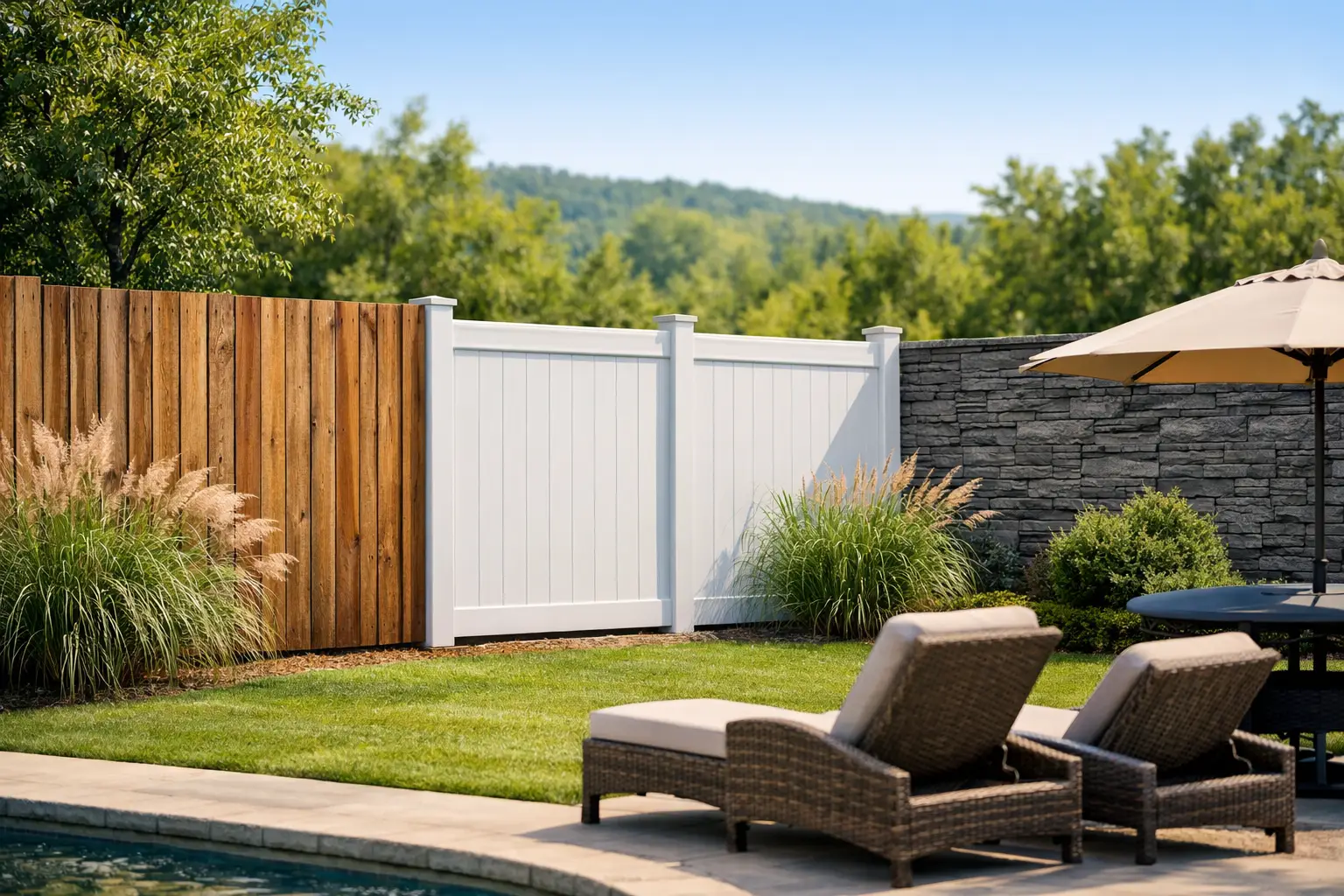
A backyard can feel a lot smaller when the neighboring deck sits a few feet away or traffic noise carries straight across an open lot. That is usually when homeowners start looking at the best backyard privacy fences - not just for seclusion, but for security, noise reduction, and a cleaner property line that feels finished.
The right fence depends on more than style. In Arkansas, heat, humidity, storms, slope, soil conditions, and long-term maintenance all matter. A fence that looks great on day one but warps, leans, or demands constant repair is not really the best option. For most homeowners, the better question is not which fence is most popular. It is which fence fits the property, the budget, and the way the yard is actually used.
What makes the best backyard privacy fences?
A privacy fence should block sightlines well, hold up to local weather, and match the character of the home without creating a maintenance headache. It should also be built with the right post depth, spacing, and gate hardware. Material matters, but installation quality matters just as much.
If your yard backs up to a busy street, a full-panel design with very little gap is usually the priority. If the goal is more about enclosing a pool area or keeping children and pets safely inside, the fence still needs privacy, but gate placement and code requirements may carry more weight. On larger lots, cost per foot becomes a bigger factor, especially when the project includes multiple gates or changes in grade.
Wood privacy fencing remains a top choice
For many Arkansas homeowners, wood is still one of the best backyard privacy fences because it delivers the look people expect from a traditional residential fence. A wood privacy fence can be built tall, solid, and attractive without looking out of place in an established neighborhood.
Cedar and pressure-treated lumber are common choices. Pressure-treated pine is often more budget-friendly upfront, while cedar is valued for appearance and natural resistance to insects and decay. Either way, wood offers flexibility. It can be built as a standard dog-ear privacy fence, a shadowbox style for airflow, or a more custom board-on-board design that improves privacy from multiple angles.
The trade-off is maintenance. Wood can shrink, fade, twist, and weather over time, especially in strong sun and wet conditions. Staining or sealing helps, but that adds to long-term ownership costs. If you want a warm, natural look and do not mind periodic upkeep, wood is often the right fit. If you want to install it and think about it as little as possible, another material may serve you better.
Vinyl privacy fences are low-maintenance and clean-looking
Vinyl is one of the best backyard privacy fences for homeowners who want a finished appearance without regular staining or painting. It gives a clean, consistent look and resists many of the common problems that affect wood, including rot and insect damage.
This makes vinyl especially appealing for busy homeowners, rental properties, and anyone planning for long-term convenience. A quality vinyl privacy fence can handle moisture well and usually only needs occasional washing to keep it looking good. It also works well in neighborhoods where a bright, uniform appearance is part of the curb appeal.
That said, vinyl is not identical across the board. Thickness, reinforcement, and product quality make a real difference. Lower-grade panels can become brittle or less stable over time. Vinyl also tends to have a different visual character than wood. Some homeowners like that crisp look, while others feel it can appear less natural. The best result comes from choosing a product built for durability and having it installed correctly so posts and panels stay true.
Composite fences offer privacy with a more premium feel
Composite fencing is a strong option when homeowners want privacy, durability, and a more upgraded appearance. It is often considered among the best backyard privacy fences for properties where appearance matters as much as low maintenance.
Composite blends wood fiber and synthetic materials to create panels that resist many of the issues found in traditional wood fencing. It does not require the same routine sealing schedule, and it generally holds color and shape well. For homeowners who want a modern or high-end look, composite can be a smart middle ground between natural wood and vinyl.
The main trade-off is cost. Composite usually carries a higher upfront price than basic wood or some vinyl systems. On the other hand, lower maintenance and longer service life can make that investment easier to justify over time. It tends to be a good fit for homeowners who plan to stay in the property and want a fence that continues to look sharp with less effort.
Fence height and design matter as much as material
Privacy is not only about what the fence is made of. Height, board spacing, and layout all affect how well the fence actually performs. A six-foot fence is common for residential privacy, but some yards need a more tailored approach depending on grade changes, retaining walls, or nearby second-story views.
Solid panel designs provide the most direct screening. Board-on-board styles add depth and cover gaps that can appear as wood ages. Shadowbox designs give a softer appearance and allow airflow, but they are not fully private from every angle. Decorative top treatments can improve appearance, though they may slightly reduce total visual coverage if not planned carefully.
Gates are another area where shortcuts cause problems. A privacy fence with a sagging gate or weak latch quickly becomes frustrating. Wide gates for mowers, double-drive gates, and high-use side-yard entries all need proper framing and hardware from the start.
The best backyard privacy fences for different priorities
If budget is the top concern, pressure-treated wood is often the practical starting point. It gives strong privacy at a lower upfront cost, especially on larger yards. If low maintenance matters most, vinyl is hard to ignore. If you want a more upscale finish and long-term durability, composite deserves a serious look.
There is no single right answer for every property. A homeowner with mature landscaping and a traditional house may prefer stained wood that blends naturally into the yard. A newer home with cleaner architectural lines may look better with vinyl or composite. If the backyard gets strong wind exposure, panel style and structural support become especially important.
This is where an on-site estimate helps. Measurements, grade, drainage, soil, and access can all change what works best. A fence that looks straightforward from the street can become more technical once corners, utilities, slopes, and gate clearances are considered.
Practical considerations before you build
Before choosing a fence, it is worth confirming property lines, neighborhood requirements, and any local rules that affect height or placement. In some neighborhoods, material or style restrictions apply. Pool enclosures may also need specific gate and latch features.
It is also smart to think beyond the fence panels themselves. Will you need one walk gate or two? Do you want privacy around the full yard, or only the most exposed sides? Are there trees, drainage swales, or utility areas that will affect installation? These details influence both price and layout.
Homeowners sometimes focus first on the panel they like best and treat everything else as minor. In practice, post setting, terrain adjustment, and hardware quality often decide how the fence performs after the first storm season. A well-built fence should not only look good on install day. It should still be standing straight and functioning properly years later.
Choosing a contractor for a privacy fence project
The best backyard privacy fences are not just about selecting a material. They depend on proper installation by a contractor who understands residential fencing, local conditions, and the difference between a quick build and a lasting one.
That includes knowing how to handle uneven ground, how to size and brace gates, and how to recommend materials based on actual use instead of a one-size-fits-all sales pitch. A company with broad fencing experience can also help if the project grows beyond a simple backyard enclosure and starts to include custom gates, specialty access, or perimeter security features.
For homeowners in Fort Smith, Northwest Arkansas, and the River Valley, working with an experienced local fence contractor means getting recommendations that fit the property instead of generic advice pulled from a catalog. Ace Fence Company Inc. has been serving Arkansas property owners since 1963, and that kind of local experience matters when weather, terrain, and long-term durability are part of the decision.
A privacy fence should solve a real problem and keep solving it for years. If you are comparing options now, the best next step is to look at your yard the way a contractor would - how it is used, where the exposure is, what level of upkeep you want, and what kind of finish will still make sense down the road.
Ready to Talk to a Real Fence Professional?
Free on-site estimates from the River Valley's most trusted fence company since 1963.