Access Control Gate Systems That Fit the Site
Access control gate systems improve security, traffic flow, and property access. Learn which gate type, controls, and features fit your site.
A gate that stays closed is not the same thing as a gate that controls access. That difference matters when you are trying to secure a yard, manage traffic at a business, protect equipment, or limit who can enter a private road or facility. Access control gate systems are built to do more than open and close. They help property owners decide who gets in, when they get in, and how the entry point performs day after day.
For some properties, that means a simple keypad at a residential driveway. For others, it means a commercial sliding gate with card readers, safety loops, phone entry, and a heavy-duty operator that can handle frequent cycles. The right setup depends on the property, the traffic, the level of security needed, and the space available at the gate opening.
What access control gate systems actually include
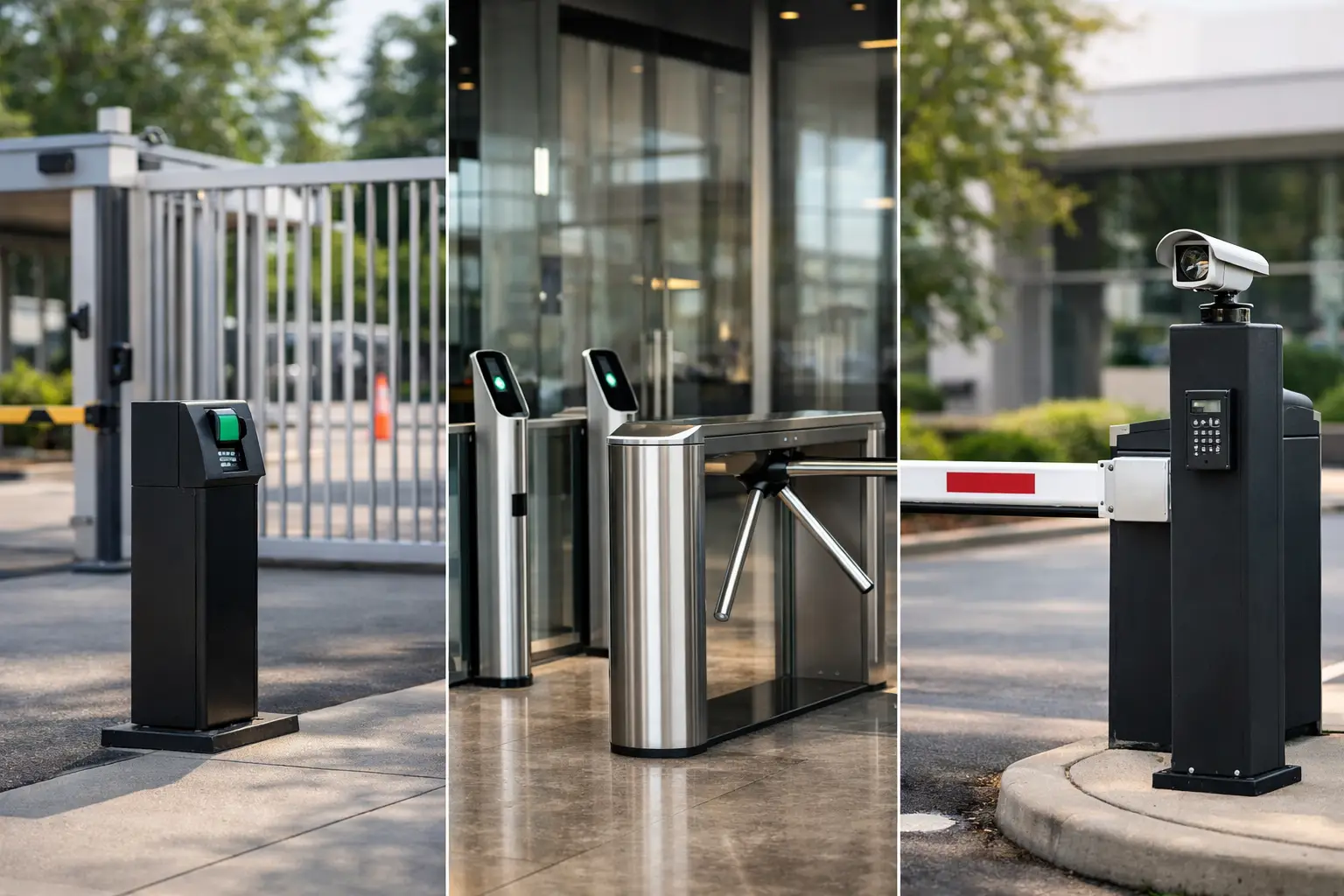
When people hear the term, they sometimes think only about the operator. In practice, the system is made up of several working parts. The gate itself, the track or cantilever hardware, the operator, the access device, and the safety equipment all need to work together.
That is why gate planning starts with the opening, the fence line, and the way vehicles approach the entry. A beautiful gate with the wrong operator or weak access hardware can turn into a maintenance problem. On the other hand, a properly matched system can handle daily use for years and make entry much easier to manage.
At a basic level, most systems include the physical gate, automation equipment, user controls such as keypads or remotes, and safety devices like photo eyes or vehicle detection loops. Commercial properties may also add telephone entry, keypad plus card access, automatic close timers, emergency access features, and integration with broader site security.
Choosing the right gate type for access control gate systems
The gate style is not just an appearance decision. It affects how reliable the system will be, how much room it needs, and how well it performs in the field.
Sliding and cantilever gates
Sliding gates are common for commercial and industrial properties because they make efficient use of space and can be a strong fit for wider openings. A traditional track slide gate runs along a ground track, which works well in many settings but can be affected by debris, mud, or gravel conditions if the site is not prepared correctly.
Cantilever gates solve some of those issues by moving without a ground track across the opening. They need more room to the side because of the counterbalance section, but they are often a smart choice for uneven ground, heavy traffic, or job sites where dirt and buildup would create problems for a track.
Swing gates
Swing gates are often used in residential settings, private drives, and lower-traffic entries. They can offer a clean look and work well when there is enough room for the gate leaf or leaves to open safely. The key issue is space. If the grade is wrong, the approach is tight, or snow, mud, or drainage creates interference, a swing gate may not be the best answer.
Vertical pivot lift and specialty gates
Some properties need something more specialized. Vertical pivot lift gates and other custom gate designs are often used where ground space is limited or where traffic patterns call for a different opening method. These systems are usually selected for specific commercial, industrial, or secure facility needs rather than standard residential use.
The access side of the system matters just as much
A gate operator moves the gate. The access control part decides how people use it. That is where a lot of projects either become convenient and dependable or frustrating and inconsistent.
A homeowner may only need remotes, a keypad, and safe automatic closing. A multi-tenant commercial property might need a telephone entry system, timed schedules, staff credentials, and separate exit controls. An industrial site may want stricter control with limited user permissions and better tracking of who entered and when.
The best choice depends on how many users the system serves, whether visitors need temporary access, and how much control the owner wants over daily entry. If the property sees delivery trucks, employees, residents, vendors, and service vehicles, the access method should match real traffic patterns instead of forcing everyone through a workaround.
Safety is not optional
Any automated gate needs properly planned safety equipment. This is one of the most important parts of the project and one of the easiest areas to underestimate.
Photo eyes, edge devices, loop detectors, and properly configured controls help reduce the risk of the gate closing on a vehicle or object. The layout also matters. If vehicles stack too close to the gate, or if the gate swings into traffic, the system can create problems instead of solving them.
That is why site conditions should be reviewed before the equipment is selected. The gate has to operate safely not only on day one, but during normal daily use when people are in a hurry, visitors are unfamiliar with the property, and weather conditions are less than ideal.
Residential and commercial needs are different
Homeowners often want better privacy, easier driveway access, and a stronger sense of security. In that case, the system may focus on convenience, appearance, and dependable operation with moderate daily use. A well-built ornamental or custom driveway gate with the right operator can add curb appeal while also controlling entry.
Commercial and industrial properties usually have a different set of priorities. Traffic volume is higher, the consequences of downtime are greater, and the gate may need to support delivery schedules, employee access, after-hours control, or security policies. The system often needs to be heavier, faster, and better suited for repeated cycles throughout the day.
This is where one-size-fits-all recommendations usually fall short. A gate that works fine at a private residence may wear out quickly at a business entrance. In the same way, a heavy commercial system may be more than a homeowner actually needs.
Planning around the site, not just the product
Good access control gate systems are planned around the property itself. Grade changes, drainage, wind exposure, available power, clearances, and fence layout all affect performance. Even the best equipment can struggle if the opening is poorly located or the site work is incomplete.
For example, a long driveway with limited side room may rule out certain gate types. A commercial yard with frequent truck traffic may need a wider clear opening and stronger hardware. If the property loses power from time to time, backup power or manual entry planning should be part of the discussion early.
The material of the gate matters too. Steel, aluminum, chain link-framed security gates, and ornamental styles all have different strengths depending on the use. Weight affects the operator. Wind load affects the design. Visibility may matter for security or traffic safety.
Maintenance and long-term performance
Automated gates are working equipment. Like any piece of equipment, they need periodic service, adjustment, and inspection. Property owners should expect some level of ongoing care, especially on gates that see frequent daily cycles.
That does not mean the system should be complicated. It means the installation should be done with long-term serviceability in mind. Proper alignment, solid posts, quality hardware, and correctly sized operators make a major difference. It is usually less expensive to build the system correctly at the start than to keep fixing a gate that was undersized or poorly matched to the site.
Weather, dust, moisture, and traffic wear all take a toll over time. That is another reason to work with a contractor who understands both fencing and gate automation. The gate is not separate from the fence line or the site. It is part of the whole perimeter system.
When custom fabrication makes sense
Standard gate packages work for many applications, but not all of them. If the opening is unusually wide, the grade is challenging, the property has a specialized traffic pattern, or the owner wants the gate to match an existing fence design, custom fabrication can be the better route.
That is often true for commercial yards, industrial facilities, private developments, and higher-end residential properties. A custom gate can be built to suit the opening, the hardware, and the appearance goals of the site instead of forcing the project into a stock configuration.
For property owners in Arkansas, that local knowledge matters. Soil conditions, weather, drainage, and the way a site is actually used are not small details. They affect how well the system holds up. Companies like Ace Fence Company Inc. have the advantage of pairing perimeter construction experience with gate and access-control capability, which makes the planning process more practical from the start.
If you are considering a new gate system, the smartest first step is not picking a keypad or operator from a catalog. It is looking at how the property needs to function, who needs access, and what kind of gate can handle that workload without creating daily headaches. A gate should make the entry more secure and easier to manage, not become one more thing that constantly needs attention.
Ready to Talk to a Real Fence Professional?
Free on-site estimates from the River Valley's most trusted fence company since 1963.